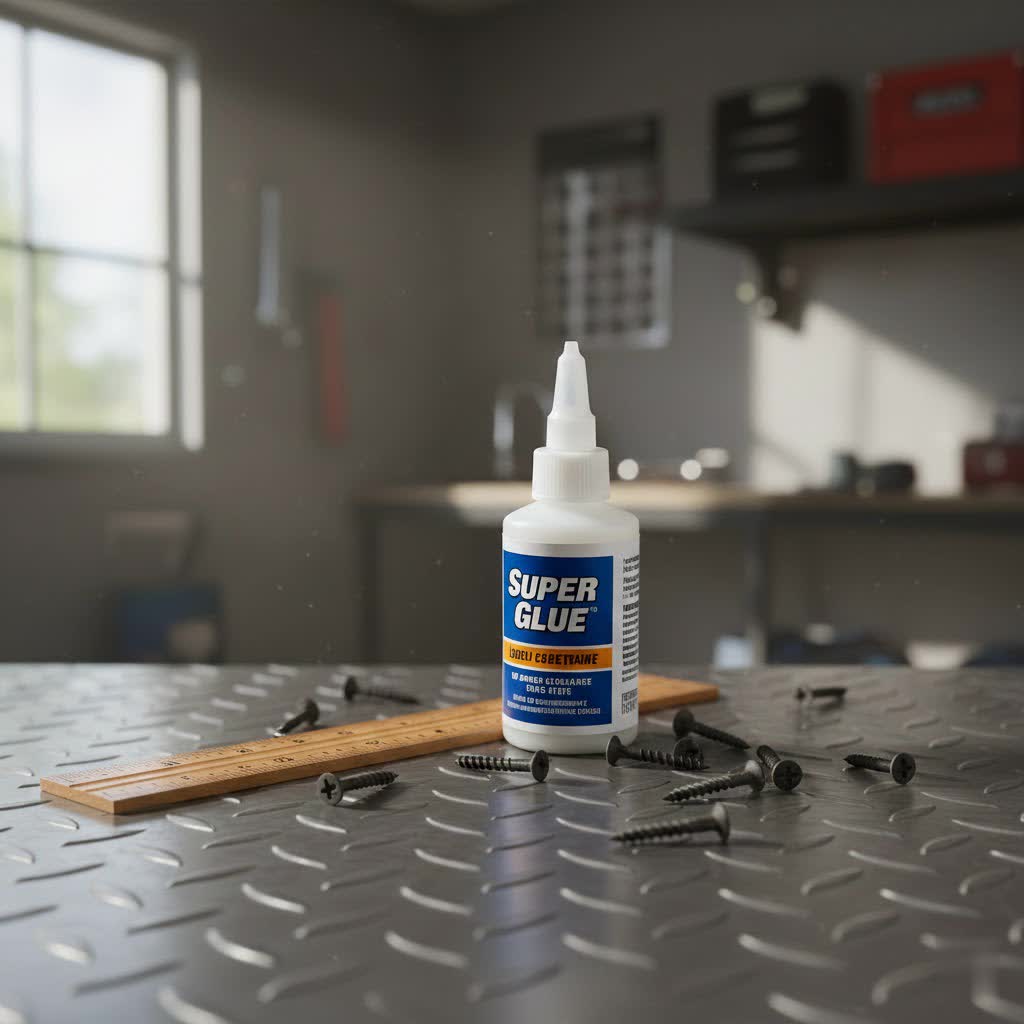
Accidentally getting super glue on your skin can be a startling experience, turning a simple DIY task into a sticky situation. The instantaneous bond of cyanoacrylate adhesive, commonly known as super glue, can cause immediate concern. While its powerful adhesion makes it incredibly useful for repairs, its ability to bond skin quickly often leaves people scrambling for safe and effective removal methods. Fortunately, most super glue mishaps on skin can be resolved at home with patience and the right approach, minimizing discomfort and preventing skin damage.
Understanding Super Glue and Why It Bonds So Quickly
Super glue is a powerful adhesive primarily composed of cyanoacrylate. This chemical reacts rapidly with moisture, including the natural moisture present on your skin, forming a strong bond almost instantly. This quick polymerization process can sometimes generate a small amount of heat, which may feel like a mild burning sensation, especially if a larger amount of glue is involved or if the bonded skin is forcefully separated. While dried super glue itself is generally not toxic on the skin, attempting to rip bonded skin apart can cause painful tears and irritation. For shop curated super glue on this site.
Immediate Steps When Super Glue Bonds to Your Skin
The first and most crucial rule if you find yourself with super glue on your skin is: do not panic and do not forcefully pull your skin apart. Tearing the skin can lead to pain, bleeding, and potential infection. Instead, assess the situation calmly. If a thin layer of glue has dried, gently try to peel or roll the edges of the glue away from your skin. For bonded fingers or larger spills, immediate gentle action can make a big difference. Submerging the affected area in warm, soapy water is often the initial recommended step to begin loosening the adhesive bond.
Effective Methods for Removing Super Glue From Skin
There are several proven methods to remove super glue from your skin, ranging from common household items to specialized removers. The best method often depends on the amount of glue, its location, and your skin sensitivity.
Using Acetone (Nail Polish Remover)
Acetone is a powerful solvent that can dissolve the bond of super glue. It is widely regarded as one of the most effective solutions for removing cyanoacrylate adhesives.
- When to use it: Acetone is best for glue on less sensitive areas like fingers, hands, or fingernails.
- Step-by-step guide:
- Pour a small amount of acetone-based nail polish remover onto a cotton ball or a soft cloth.
- Place the acetone-soaked cotton ball directly over the super glue, ensuring it makes full contact with the adhesive.
- Hold it in place for several minutes to allow the acetone to soften and break down the glue.
- Gently try to peel or roll the glue off. If skin is bonded, slowly and carefully try to work the bonded areas apart. You can use a blunt edge, like a credit card or the back of a spoon, to gently pry.
- Reapply acetone as needed until the glue is completely removed.
- Precautions and aftercare: Acetone can be very drying to the skin. After removing the glue, wash the area thoroughly with soap and water, then apply a moisturizer to rehydrate your skin. Avoid using acetone on open wounds, near eyes, or on very sensitive skin.
Acetone-Free Alternatives
|
Our Picks for the Best Super Glue in 2026
As an Amazon Associate I earn from qualifying purchases.
|
||
| Num | Product | Action |
|---|---|---|
| 1 | WoldoClean Super Glue for Metal 25g Extra Strong Metal Glue - for Stainless Steel and Aluminum, Dries Clear, Waterproof and Holds Instantly |

|
| 2 | Loctite Super Glue Ultra Gel Control, 4-Gram Bottle (1739050) (Fоur Paсk) |
|
| 3 | Loctite 1363589 4-Gram Bottle Super Glue Ultra Gel Control Adhesive, 3-Pack |
|
| 4 | Krazy Glue Original Adhesive - Super Glue - Precision Tip - Multi-Purpose One Drop Applicator (12) |
|
| 5 | Gorilla Super Glue with Brush & Nozzle Applicator, Clear Glue, 12 Gram (Pack of 1) - All Purpose and Fast Setting for Projects and Repairs |
|
| 6 | Super Glue Super Glue 15173-5 Single-use Minis,4 Pack |
|
| 7 | Bob Smith Industries BSI-157H Maxi Cure/Insta-Set Combo Pack (3 oz. Combined),Clear |
|
| 8 | Gorilla Super Glue Gel XL, Clear Glue, 25 Gram (Pack of 1) - All Purpose and Fast Setting for Projects and Repairs |
|
| 9 | Loctite Super Glue Ultra Liquid Control, Clear, 0.14 fl oz Bottle, 6 Pack - Superglue for Plastic, Wood, Metal, Crafts & Repair, Cyanoacrylate Adhesive Instant Glue, Quick Dry |
|
| 10 | Super Glue 15175 Mini Single Use Tubes 5-Pack |
|
If you prefer to avoid acetone or are dealing with glue on a sensitive area, several common household items can serve as effective alternatives. These often work by lubricating the skin and weakening the glue’s bond.
- Warm, Soapy Water: A simple and gentle first step. Soak the affected area in warm water mixed with dish soap for 10-15 minutes. This helps to soften the glue and loosen its hold.
- Petroleum Jelly, Mineral Oil, or Vegetable Oil: Oily substances are excellent for loosening super glue. Apply a generous amount of petroleum jelly (like Vaseline), mineral oil, olive oil, or any cooking oil to the glued area. Rub it in gently for several minutes, then try to peel or roll the glue off. The oil helps to lubricate the skin and penetrate the glue bond.
- Butter or Margarine: Similar to other oils, butter can be rubbed onto the glue to help break down the bond.
- Rubbing Alcohol (Isopropyl Alcohol): Like acetone, rubbing alcohol can help to dissolve super glue. Apply it with a cotton ball and let it sit for a few minutes before gently attempting to remove the glue.
- Salt Scrub: Mix coarse salt with a small amount of water to create a paste. Gently rub this paste over the super glue. The abrasive nature of the salt combined with the moisture can help to exfoliate the glue away.
- Lemon Juice: The acidity in lemon juice can help to break down cyanoacrylate. Apply fresh lemon juice to the glue, let it sit, then rinse and gently rub.
Specialized Super Glue Removers
For particularly stubborn bonds or if you frequently work with super glue, dedicated glue remover gels are available. These products are formulated specifically to break down cyanoacrylate and are often designed to be gentle on the skin. They are typically thick gels that stay where applied, making them suitable for vertical surfaces or precise application.
Specific Scenarios: Removing Super Glue from Sensitive Areas
Different areas of the body require varying levels of caution due to skin sensitivity and proximity to mucous membranes.
- Fingers or Hands: Most common scenario. Begin with warm, soapy water. If unsuccessful, try acetone, then oil-based products. Remember to be patient and gently roll or pry the skin apart.
- Lips or Mouth: If super glue gets on your lips, do not try to pull them apart. Instead, rinse your mouth with water. Vegetable oil or peanut butter can help soften the glue inside the mouth. The warm, moist environment of the mouth typically helps the glue to loosen and come off naturally. Always seek medical advice if ingestion is suspected or if bonding is severe.
- Eyelids or Eyes: This is a critical situation that requires extreme caution. If glue gets into your eye or glues your eyelids together, DO NOT use acetone, alcohol, or any chemical near the eye. Do not try to force your eyelids open. Immediately apply a warm compress over the affected eye and seek medical attention or contact a poison control center for expert guidance. If the glue is in the eye but the eyelids are not stuck, gently flush with lukewarm water.
- Other Body Parts: For sensitive skin areas, prioritize warm, soapy water and oil-based methods. Avoid harsh scrubbing or abrasive materials. Always test any new removal method on a small, less sensitive patch of skin first.
Safety Precautions and Aftercare
Removing super glue safely is as important as effective removal. Always:
- Be Patient: Super glue bonds are strong, and rushing the removal process can cause skin damage.
- Avoid Forceful Pulling: This is the most important rule to prevent injury.
- Test First: If using a new product or method, test it on a small, inconspicuous area of skin to check for any adverse reactions.
- Moisturize: Acetone and some other solvents can dry out your skin. After successful removal and washing, apply a moisturizing lotion to restore skin hydration.
- Seek Medical Attention: If the glue does not come off after several days, if you develop a rash, burn, excessive pain, or if the glue is in a highly sensitive area (especially the eyes, mouth, or if ingested), contact a healthcare professional or poison control center immediately.
Prevention is Key: Tips to Avoid Super Glue Accidents
The best way to deal with super glue on your skin is to prevent it from happening in the first place.
- Always wear protective gloves when working with super glue.
- Work in a well-ventilated area.
- Keep super glue products out of reach of children and pets.
- Store super glue properly, upright and sealed, to prevent spills.
Conclusion
Encountering super glue on your skin can be a minor annoyance, but with the right techniques, it’s a manageable situation. Remember to prioritize patience and gentle methods, starting with warm, soapy water and progressing to acetone or oil-based solutions if necessary. Always exercise extreme caution around sensitive areas like the eyes and mouth, and do not hesitate to seek medical help for severe cases or persistent irritation. By understanding the nature of super glue and having a clear removal strategy, you can quickly get unstuck and return to your projects with confidence.
Have you ever had a stubborn super glue mishap, and what was your go-to solution for getting unstuck?
Frequently Asked Questions
Is Super Glue toxic to skin?
Dried super glue on the skin is generally not considered toxic. However, the initial bonding process can cause irritation, pain, or in rare cases, chemical burns due to heat release if a large amount is present or if bonded skin is pulled apart.
How long does Super Glue last on skin if not removed?
If left untreated, super glue will typically wear off on its own within a few days (usually 1-3 days) as your skin’s natural oils and shedding process break down the bond. However, removal methods can significantly speed up this process.
Can I use rubbing alcohol to remove Super Glue?
Yes, rubbing alcohol (isopropyl alcohol) can be used to help dissolve super glue from the skin. Apply it with a cotton ball, let it sit for a few minutes to soften the glue, then gently rub and peel the glue away. Remember to wash and moisturize your skin afterward.
What should I never use to remove Super Glue from skin?
You should never use sharp objects, abrasive tools like sandpaper, or harsh chemical solvents near sensitive areas like eyes or open wounds. Most importantly, never forcefully pull or try to rip bonded skin apart, as this can cause painful skin tears and bleeding.
Get our weekly buyer guide
Practical specs, not advice. Unsubscribe anytime.
