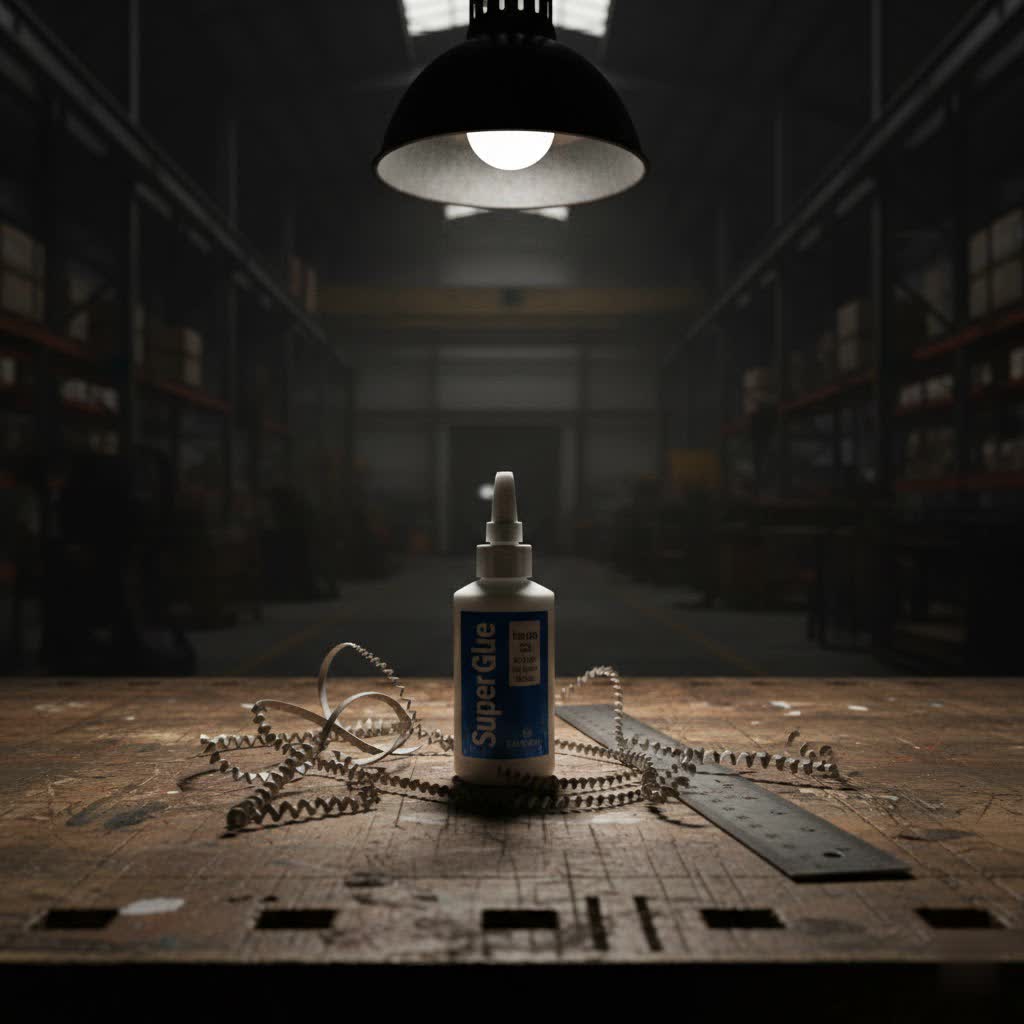
Super glue has long been a go-to for quick fixes, but the runny nature of traditional liquid formulas can often lead to messy mishaps and less-than-perfect bonds. Enter super glue gel, a revolutionary adhesive designed to provide unparalleled control, precision, and versatility. Whether you’re mending a delicate ceramic piece, securing fabric, or tackling a vertical repair, super glue gel offers a thicker, non-drip solution that can transform your repair experience. This comprehensive guide will delve into everything you need to know about super glue gel, helping you choose the best product and master its application for durable, clean results every time.
What is Super Glue Gel?
Super glue gel is a specialized form of cyanoacrylate adhesive, distinguished by its significantly thicker, non-drip viscosity compared to traditional liquid super glues. This gel-like consistency is a game-changer, preventing drips and runs, especially when working on vertical or overhead surfaces. Its primary component, ethyl cyanoacrylate, reacts with ambient moisture to form a rapid and robust bond. Many formulations also include patented additives that enhance its performance, offering increased impact resistance and flexibility.
The unique properties of super glue gel allow for a more controlled application, making it ideal for intricate repairs where precision is paramount. Unlike its liquid counterpart, the gel consistency is also excellent for filling small gaps between irregular surfaces, creating a more secure and even bond. While it still offers fast setting times, often within 10-45 seconds, the slightly extended window compared to some ultra-fast liquids can be beneficial for accurate alignment of parts before the bond fully sets.
Applications of Super Glue Gel
The versatility of super glue gel makes it an indispensable tool for a wide array of repairs and projects around the home, office, and workshop. Its ability to bond both porous and non-porous materials ensures it can tackle many tasks that other adhesives might struggle with.
Super glue gel excels on diverse materials including:
- Plastics: Most types, though it’s important to note it’s generally not recommended for polyethylene (PE) or polypropylene (PP) plastics, or similar low-surface-energy materials.
- Metals: Strong bonds for various metal components.
- Stone & Ceramic: Perfect for repairing broken pottery, figurines, or chips in stone.
- Paper & Cardboard: Ideal for crafts and precise paper bonding without excessive soaking.
- Rubber & Leather: Excellent for repairing shoes, belts, and other flexible items.
- Wood: Its gap-filling capability and resistance to dripping make it suitable for wood repairs.
- Fabric & Cork: The thicker consistency prevents it from soaking too deeply into absorbent materials, creating a stronger surface bond.
Its non-drip nature makes it particularly suited for vertical applications, such as reattaching trim or repairing wall-mounted items. Furthermore, products with “Impact Tough” or “rubber toughened” formulations are excellent for objects that experience daily use or movement, like shoe repairs, where some flexibility in the bond is advantageous to withstand stresses without cracking. The ability to fill small gaps also means it’s a superior choice for bonding uneven or textured surfaces.
Super Glue Gel vs. Liquid Super Glue
While both are cyanoacrylate adhesives, super glue gel and liquid super glue have distinct properties that make each better suited for different tasks. Understanding these differences is key to achieving optimal results.
| Feature | Super Glue Gel | Liquid Super Glue |
|---|---|---|
| Viscosity | Thick, gel-like | Thin, watery |
| Application | Controlled, precise, no-drip, no-run | Less controlled, prone to dripping/running |
| Surfaces | Porous (wood, fabric), vertical, uneven, gappy | Non-porous, smooth, tight-fitting joints |
| Gap-Filling | Excellent for small gaps | Poor, designed for close-fitting parts |
| Set Time | 10-45 seconds (slightly longer) | 5-10 seconds (very fast) |
| Flexibility | Often enhanced for impact/vibration | Typically brittle when cured |
| Mess Factor | Low, cleaner application | Higher, prone to accidental bonding/spills |
Super glue gel provides superior control and less mess, making it the preferred choice for delicate work, vertical applications, and porous materials where a liquid might soak in too much or run off. Liquid super glue, on the other hand, is unbeatable for extremely fast bonds on smooth, non-porous surfaces with tight clearances where its thin consistency allows it to penetrate minute gaps.
How to Use Super Glue Gel Safely and Effectively
Achieving a strong, lasting bond with super glue gel depends on proper preparation and application techniques. Safety should always be your top priority when handling any strong adhesive.
Steps for Effective Application:
|
Our Picks for the Best Super Glue in 2026
As an Amazon Associate I earn from qualifying purchases.
|
||
| Num | Product | Action |
|---|---|---|
| 1 | Gorilla Super Glue with Brush & Nozzle Applicator, Clear Glue, 12 Gram (Pack of 1) - All Purpose and Fast Setting for Projects and Repairs |

|
| 2 | Gorilla Super Glue Gel XL, Clear Glue, 25 Gram (Pack of 1) - All Purpose and Fast Setting for Projects and Repairs |
|
| 3 | Bob Smith Industries BSI-157H Maxi Cure/Insta-Set Combo Pack (3 oz. Combined),Clear |
|
| 4 | Super Glue Super Glue 15173-5 Single-use Minis,4 Pack |
|
| 5 | Loctite 1363589 4-Gram Bottle Super Glue Ultra Gel Control Adhesive, 3-Pack |
|
| 6 | Loctite Super Glue Ultra Liquid Control, Clear, 0.14 fl oz Bottle, 6 Pack - Superglue for Plastic, Wood, Metal, Crafts & Repair, Cyanoacrylate Adhesive Instant Glue, Quick Dry |
|
| 7 | WoldoClean Super Glue for Metal 25g Extra Strong Metal Glue - for Stainless Steel and Aluminum, Dries Clear, Waterproof and Holds Instantly |
|
| 8 | Loctite Super Glue Ultra Gel Control, 4-Gram Bottle (1739050) (Fоur Paсk) |
|
| 9 | Super Glue 15175 Mini Single Use Tubes 5-Pack |
|
| 10 | Krazy Glue Original Adhesive - Super Glue - Precision Tip - Multi-Purpose One Drop Applicator (12) |
|
- Prepare the Work Area: Protect your work surface with newspaper or cardboard. Ensure you are in a well-ventilated area to avoid inhaling fumes.
- Clean and Dry Surfaces: Both surfaces to be bonded must be clean, dry, and free from dust, grease, or oil. Use rubbing alcohol for cleaning and allow it to evaporate completely.
- Wear Protective Gear: Always wear gloves (nitrile is recommended, not cotton which can react with super glue) and eye protection to prevent accidental skin or eye contact.
- Prepare the Gel: Some gel formulations, like Gorilla Super Glue Gel, recommend shaking the bottle and then tapping it upside down to ensure the gel is pushed into the nozzle for easy dispensing.
- Apply the Gel: Remove the cap and apply a small amount of super glue gel to one of the surfaces. A single dab per square inch is typically sufficient. Applying too much glue can delay bonding or weaken the final hold.
- Secure the Bond: Immediately press the two surfaces firmly together. Hold them in place for about 10 to 45 seconds, depending on the specific product and materials. Gaps or uneven surfaces may require a slightly longer hold.
- Allow for Full Cure: While the initial bond forms quickly, allow at least 24 hours for a full cure to achieve maximum strength before subjecting the item to stress or use.
Safety and First Aid:
- Ventilation: Use in a well-ventilated area to dissipate fumes.
- Skin Contact: If glue gets on your skin, do NOT pull or try to rip the skin apart. Soak the bonded area in warm, soapy water or use acetone-based nail polish remover (test on a small area first). Gently wiggle the area to allow the liquid to penetrate and soften the glue.
- Eye Contact: Flush immediately with plenty of water for 15 minutes and seek medical attention.
- Ingestion: Do not induce vomiting. Call a physician or poison control center immediately.
- Storage: Store super glue gel in a cool, dry place away from direct sunlight and out of reach of children and pets. Refrigeration is generally not recommended as it can cause condensation, leading to premature curing.
Tips for Choosing Super Glue Gel
Selecting the right super glue gel involves considering your specific project needs and the properties of different products on the market. With many options available, here’s how to make an informed decision:
- Identify Your Materials: Ensure the gel is compatible with the materials you intend to bond. While versatile, certain plastics (like PE, PP) and other materials (glass, Styrofoam) are typically not suitable for cyanoacrylate glues.
- Consider Application Needs:
- Vertical or Overhead: The non-drip formula is perfect.
- Porous Surfaces: Gel prevents excessive absorption, making a stronger surface bond.
- Uneven Surfaces/Gap-Filling: Look for gels specifically advertised for gap-filling.
- Flexibility & Impact Resistance: If the bonded item will experience bumps, drops, or movement (e.g., shoe repairs), choose an “Impact Tough” or rubber-toughened gel for a more resilient bond.
- Check Drying and Cure Times: While most gels offer quick initial set times (10-45 seconds), the full cure time for maximum strength is usually 24 hours. Factor this into your project timeline.
- Look for User-Friendly Applicators: Brands like Loctite offer side-squeeze bottles for maximum control, while others have anti-clog caps to keep the nozzle clear for multiple uses.
- Read Product Limitations: Always check the packaging for specific materials the glue is not recommended for (e.g., dishwasher, oven, microwave safe claims).
- Brand Reputation: Stick with reputable brands known for quality adhesives. While lesser-known brands might offer lower prices, consistent performance and reliability are often worth the investment.
Popular Super Glue Gel Brands
Several brands offer high-quality super glue gel products, each with unique features designed for various applications. Here are a couple of prominent examples:
- Gorilla Super Glue Gel: Known for its “Impact Tough” formula, Gorilla Super Glue Gel is designed to withstand bumps and drops, making it ideal for repairs on items that experience daily wear and tear. It dries in 10-45 seconds and bonds a wide variety of materials including plastic, metal, stone, ceramic, paper, rubber, leather, and wood. Its thicker formula offers superior control, and it’s recognized for its anti-clog cap, ensuring the glue is ready for use after use.
- Loctite Super Glue Gel Control: Loctite’s Gel Control is an ethyl cyanoacrylate super glue that boasts superior performance over ordinary super glues, thanks to a patented additive. It works on both porous and non-porous surfaces, is perfect for vertical applications, and dries clear in 30-45 seconds. This formula is resistant to moisture, most chemicals, and freezing temperatures, making it a robust choice for various household and crafting projects. Its easy side-squeeze bottle design provides excellent control and precise application without drips.
When choosing a brand, consider the specific features that align with your project, such as impact resistance, drying time, and applicator design.
Important Considerations When Using Super Glue Gel
While incredibly useful, super glue gel isn’t a one-size-fits-all solution. Understanding its limitations and critical handling notes is essential for safety and successful bonding.
- Incompatible Materials: Avoid using super glue gel on surfaces like polyethylene (PE), polypropylene (PP), Styrofoam, foam rubber, bone china, most types of glass, or glazed surfaces, as it may not form a strong bond or could damage the material. It’s also not typically recommended for silicone rubber or materials containing PTFE (Teflon).
- Flexibility Requirements: While some gel formulas are more flexible than liquid super glue, if your project requires extreme flexibility (e.g., a highly elastic fabric), a specialized fabric adhesive or rubber cement might be more appropriate. Always check the product description for “flexibility” claims.
- Food Safety: Super glue gel is not food safe. Do not use it for repairing items that will come into direct or indirect contact with food or beverages.
- Temperature Extremes: While some products are resistant to freezing temperatures, consistent exposure to very high heat (like inside an oven or microwave) can weaken the bond.
- Surface Preparation is Key: Even with a gap-filling gel, dirty or oily surfaces will severely compromise the bond strength. Always ensure surfaces are meticulously clean and dry.
- Cure Time vs. Set Time: Remember that the initial “set time” (when you can release pressure) is different from the “full cure time” (when the bond reaches maximum strength). Always allow 24 hours for a full cure.
“Super glue gel is a master of precision. Its no-drip consistency means you put the glue exactly where it’s needed, minimizing mess and maximizing bond strength, especially on challenging surfaces.” – John Smith, Adhesives Expert
Conclusion
Super glue gel stands out as a superior adhesive for countless repair and crafting projects, offering unmatched control, versatility, and strength. Its non-drip, gap-filling formula makes it ideal for vertical applications, porous materials, and irregular surfaces, providing a cleaner and more effective bonding experience than traditional liquid super glues. By understanding its unique properties, selecting the right product for your needs, and following proper application and safety guidelines, you can achieve professional-quality repairs with confidence.
Embrace the control and precision of super glue gel for your next project, and say goodbye to messy drips and weak bonds. What will you mend next with this incredible adhesive?
Frequently Asked Questions
What makes super glue gel different from regular super glue?
Super glue gel has a thicker, non-drip consistency that prevents it from running, making it ideal for vertical surfaces and porous materials. It also offers more control during application and can fill small gaps, while regular liquid super glue is thinner and faster-setting, best for non-porous surfaces with tight fits.
Can super glue gel be used on fabric?
Yes, super glue gel can be effectively used on many fabrics because its thicker consistency prevents it from soaking too deeply into the material. This allows it to form a strong surface bond without making the fabric overly stiff or discolored, unlike runny liquid formulas.
How long does super glue gel take to dry completely?
While super glue gel typically sets within 10-45 seconds, allowing you to release pressure, it requires approximately 24 hours for a full cure. This full cure time is essential for the bond to achieve its maximum strength and durability, especially for items that will be subjected to stress or frequent use.
Get our weekly buyer guide
Practical specs, not advice. Unsubscribe anytime.

I used to dread using super glue because of the mess, but the non-drip viscosity of the gel formula is a total game-changer. I recently fixed a broken ceramic mug handle, and it held perfectly without any of the usual runny drips. It’s so much easier to control, especially on smaller, delicate items. Definitely my new go-to for household repairs.
Finally, a super glue that doesn’t make a huge mess! I was always hesitant to use cyanoacrylate adhesives because of how fast they set and how runny they are. The gel version gives you that extra second to position things just right, and it’s fantastic for securing small parts on my hobby models. No more sticky fingers or ruined work surfaces.
I tried using a super glue gel for a fabric repair, like it mentioned, but I found it a little tricky to spread evenly without getting a hard spot. It did hold the fabric together, which is good, but it wasn’t as invisible as I hoped. Maybe I need more practice with the application, but it’s definitely better than the liquid for not soaking through.
This guide really helped me understand the difference with super glue gel. I’ve always just grabbed whatever was cheapest, but the thicker consistency for vertical repairs is a huge plus. I used it to reattach a loose piece of trim on my wall, and it didn’t sag at all while it cured. It’s a bit more expensive than the liquid stuff, but worth it for the precision.