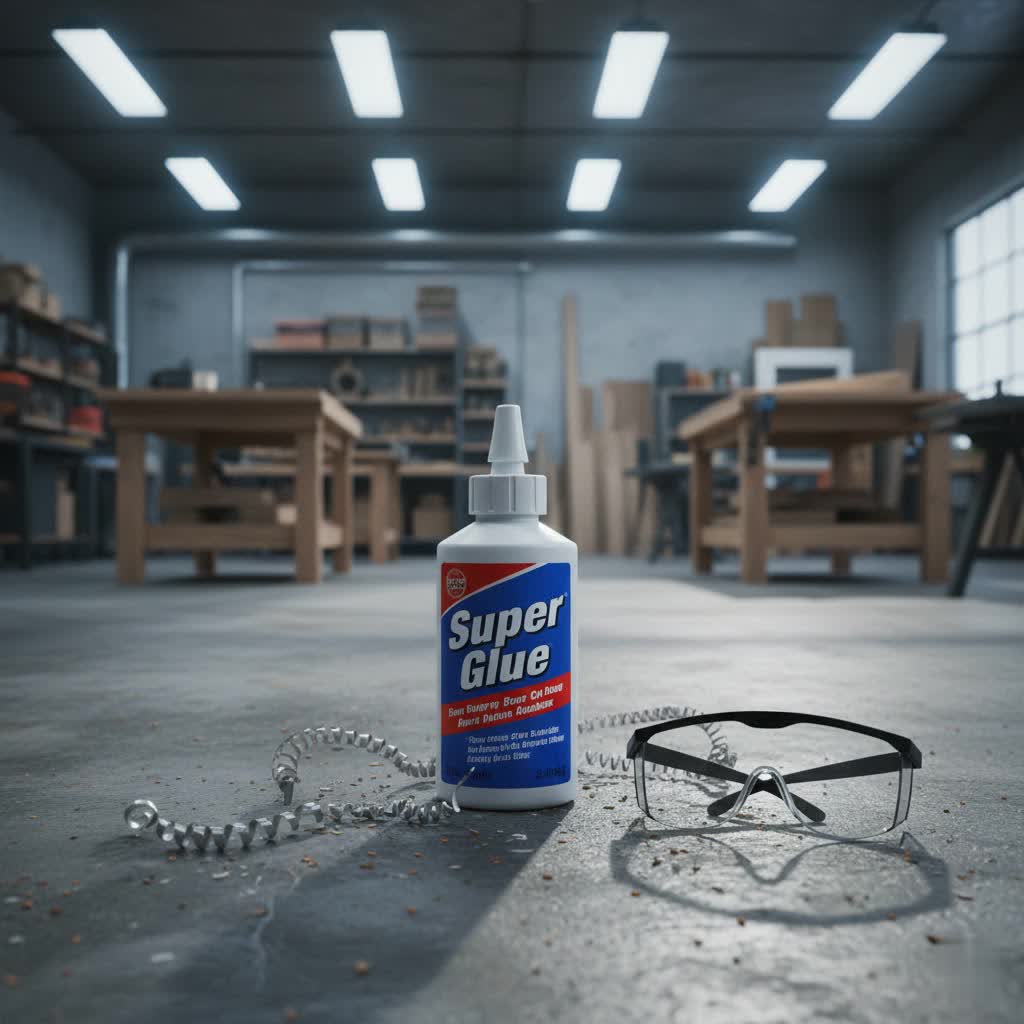
Super Glue has revolutionized how we approach repairs and creative projects, transforming challenging fixes into swift, satisfying successes. This powerful adhesive, scientifically known as cyanoacrylate, is a staple in households and industries alike, celebrated for its ability to create remarkably strong bonds in mere seconds. From mending a cherished ceramic to securing components in complex electronic assemblies, understanding the nuances of Super Glue is key to unlocking its full potential and ensuring lasting results.
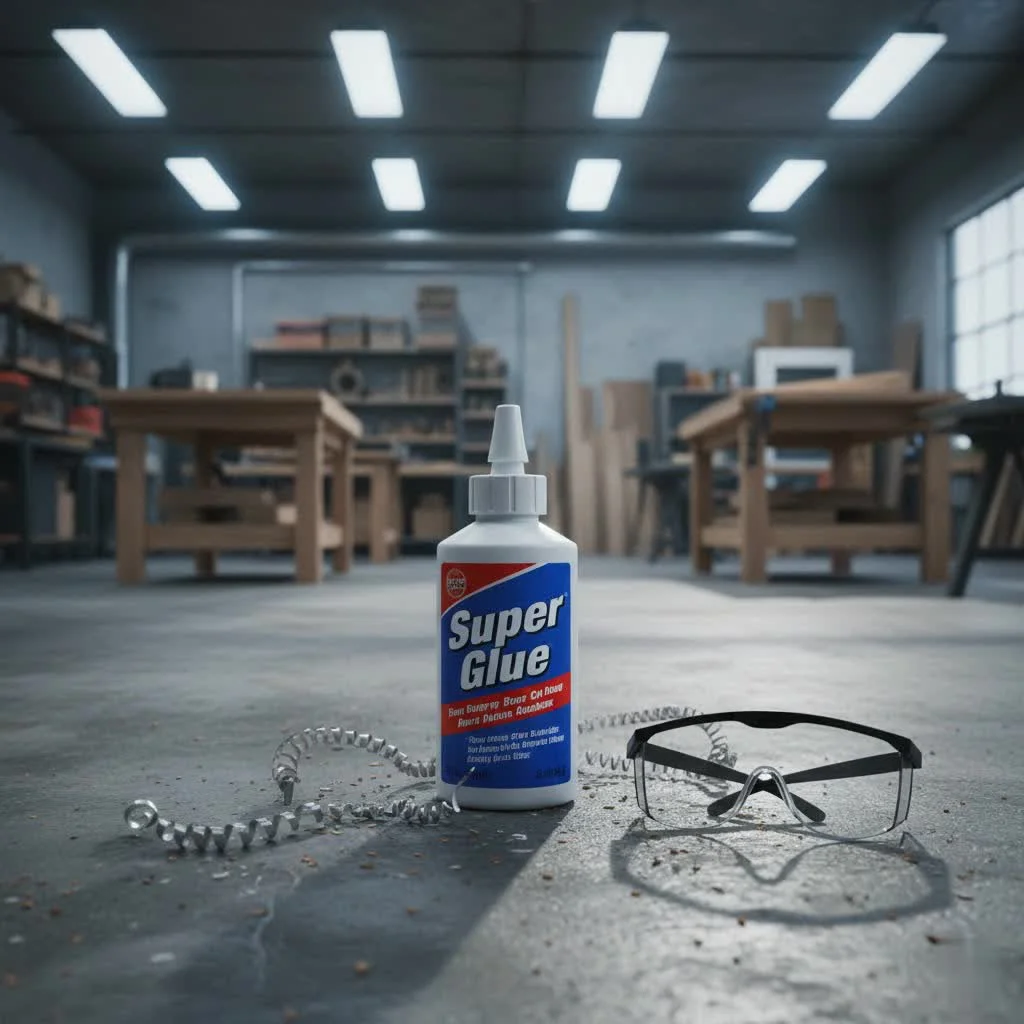
This comprehensive guide delves into everything you need to know about Super Glue, from its fascinating chemistry and diverse types to essential application techniques, safety protocols, and tips for selecting the perfect product for your specific needs. Prepare to become a master of instant adhesion, equipped with the knowledge to tackle any bonding challenge with confidence and precision. For see our super glue recommendations on this site.
Super Glue: What It Is and Its Diverse Applications
At its core, Super Glue is a fast-acting, high-strength adhesive primarily composed of cyanoacrylate. This acrylic resin forms an incredibly strong bond almost instantly upon contact with moisture, which is naturally present in the air (humidity) and on virtually all surfaces. The “magic” behind its rapid adhesion lies in a chemical process called anionic polymerization. When cyanoacrylate molecules encounter hydroxyl ions (found in water), they rapidly link together to form long, robust polymer chains, creating a tough, plastic-like mesh that firmly adheres to the materials.
The accidental discovery of cyanoacrylate by Dr. Harry Coover in 1942 during wartime research for clear plastics led to its commercialization in 1958, quickly establishing it as an indispensable household item. Its exceptional bonding capability is astounding; a mere square-inch bond can support over a ton of weight. In fact, Loctite once demonstrated this power by using just nine drops of their cyanoacrylate adhesive to lift a car weighing over five tons.
Super Glue’s versatility makes it suitable for an extensive range of applications, including:
- Household Repairs: Mending broken ceramics, plastics, wood, metal, and glass.
- Crafts and Hobbies: Model building, jewelry repair, and various DIY projects.
- Automotive: Small fixes for interior and exterior components.
- Electronics: Securing delicate parts and wiring.
- Medical: Specialized formulations (with modified alcohols to reduce toxicity) are used by medical professionals and veterinarians to close wounds as an alternative to stitches.
Understanding the Varieties of Super Glue
While all Super Glues are cyanoacrylate-based, they come in various formulations and forms, each optimized for different applications and user preferences. Knowing these distinctions is crucial for achieving the best bonding results.
By Form: Liquid vs. Gel
|
Our Picks for the Best Super Glue in 2026
As an Amazon Associate I earn from qualifying purchases.
|
||
| Num | Product | Action |
|---|---|---|
| 1 | Loctite 1363589 4-Gram Bottle Super Glue Ultra Gel Control Adhesive, 3-Pack |

|
| 2 | Bob Smith Industries BSI-157H Maxi Cure/Insta-Set Combo Pack (3 oz. Combined),Clear |
|
| 3 | WoldoClean Super Glue for Metal 25g Extra Strong Metal Glue - for Stainless Steel and Aluminum, Dries Clear, Waterproof and Holds Instantly |
|
| 4 | Gorilla Super Glue with Brush & Nozzle Applicator, Clear Glue, 12 Gram (Pack of 1) - All Purpose and Fast Setting for Projects and Repairs |
|
| 5 | Super Glue Super Glue 15173-5 Single-use Minis,4 Pack |
|
| 6 | Super Glue 15175 Mini Single Use Tubes 5-Pack |
|
| 7 | Loctite Super Glue Ultra Liquid Control, Clear, 0.14 fl oz Bottle, 6 Pack - Superglue for Plastic, Wood, Metal, Crafts & Repair, Cyanoacrylate Adhesive Instant Glue, Quick Dry |
|
| 8 | Loctite Super Glue Ultra Gel Control, 4-Gram Bottle (1739050) (Fоur Paсk) |
|
| 9 | Krazy Glue Original Adhesive - Super Glue - Precision Tip - Multi-Purpose One Drop Applicator (12) |
|
| 10 | Gorilla Super Glue Gel XL, Clear Glue, 25 Gram (Pack of 1) - All Purpose and Fast Setting for Projects and Repairs |
|
The most immediate difference you’ll notice is the glue’s consistency.
- Liquid Super Glue: These are typically thin and runnier, making them ideal for penetrating tiny cracks and tight-fitting surfaces. They generally cure faster than gels, offering quick bonds for precise applications. However, their low viscosity means they can drip and spread easily, requiring careful handling.
- Gel Super Glue: With a thicker, more viscous consistency, gel formulas provide greater control during application, reducing drips and runs, especially on vertical or porous surfaces. They often create a slightly more flexible bond and are excellent for projects requiring greater precision or for filling small gaps between irregular surfaces. Gels may have a slightly longer initial cure time compared to their liquid counterparts.
By Ester Type
The chemical composition of cyanoacrylate can vary, impacting its performance characteristics:
- Ethyl Cyanoacrylate: This is the most common and versatile type, forming strong bonds with a wide range of materials. It is the general-purpose super glue found in most retail products.
- Alkoxy Cyanoacrylate: These formulations are known for being less prone to “blooming” (a whitish residue that can appear around the bond line) and generally emit less odor during curing. They are preferred for applications where aesthetics and user comfort are important.
- Methyl Cyanoacrylate: This type offers particular compatibility with metals, making it an excellent choice for metal-to-metal bonding or attaching metal components to other substrates.
By Viscosity
Viscosity refers to the thickness of the liquid. It’s a key factor influencing application and cure time:
- Low Viscosity (Thin): Penetrates tight-fitting parts and small cracks quickly. Cures very rapidly.
- Medium Viscosity: A good all-rounder, balancing penetration and control.
- High Viscosity (Thick): Ideal for porous materials, gap-filling, and vertical applications where less run-off is desired. Generally cures slower, allowing for minor adjustments.
Super Glue vs. Other Strong Adhesives: A Comparative Look
While Super Glue excels in instant, strong bonds, it’s important to recognize that it’s one of many powerful adhesives available. Understanding its strengths and weaknesses compared to other common glues will help you choose the best product for truly heavy-duty or specialized tasks.
| Feature | Super Glue (Cyanoacrylate) | Epoxy Adhesives | PVA Glue (e.g., Wood Glue) |
|---|---|---|---|
| Bonding Speed | Instant (seconds to minutes for initial set) | Slow (minutes to hours for initial set, 24+ hrs for full cure) | Moderate (5-20 minutes working time, 24 hrs for full cure) |
| Strength (Initial/Shear) | High initial strength, can be brittle under impact | Very high shear strength, durable, load-bearing | High strength, often stronger than wood itself |
| Flexibility | Low (forms a rigid bond), some rubber-filled options exist | Limited, can be rigid or flexible depending on formulation | Moderate |
| Gap-Filling | Poor (best for tight-fitting surfaces) | Excellent (two-part system can fill gaps) | Moderate (requires good surface contact) |
| Material Compatibility | Most common materials (metal, plastic, wood, ceramic, rubber, glass) | Wide range (wood, metal, plastic, ceramic, glass, concrete) | Primarily porous materials, especially wood |
| Water Resistance | Good, but prolonged exposure can weaken bond | Excellent (many are waterproof) | Varies (water-resistant to waterproof depending on grade) |
| Heat Resistance | Moderate (typically up to 80°C, special up to 140°C) | Excellent (high resistance to temperature extremes) | Moderate |
| Chemical Resistance | Moderate (can be dissolved by acetone) | Excellent | Low to moderate |
| Ideal Uses | Quick, small repairs; non-load-bearing applications; tight joints | Structural bonds; gap-filling; demanding environments; load-bearing | Woodworking; furniture; general wood projects |
| Number of Parts | One-part adhesive | Two-part (resin + hardener) | One-part adhesive |
“While cyanoacrylate glues offer almost immediate bonding for faster production or quick fixes, epoxy adhesives take more time to cure but are necessary when shear strength, gap-filling, and environmental resistance are priorities.”
How to Use Super Glue Safely and Effectively
Using Super Glue effectively means mastering not just its application, but also the critical safety measures and preparation steps. With over a decade of hands-on experience, I can attest that these seemingly small details make all the difference.
Preparation Before Use
- Clean and Dry Surfaces: Ensure both surfaces to be bonded are free from dirt, dust, grease, and moisture. Any contaminants will compromise the bond strength. For optimal results, a light sanding or roughening of smooth surfaces can significantly increase the available surface area for adhesion.
- Ensure Ventilation: Work in a well-ventilated area to minimize exposure to fumes, which can cause irritation.
- Wear Protective Gear: Always wear gloves (disposable nitrile gloves are best) to prevent accidental skin bonding. Safety glasses are also highly recommended to protect your eyes from splashes.
- Protect Work Area: Cover your workspace with newspaper or an old rag to protect surfaces from accidental drips. Masking tape can be used around the bonding area for intricate tasks.
Application Techniques for Optimal Results
- Less is More: This is the golden rule of Super Glue. Apply a small, thin layer to one surface only. Using too much glue can actually slow down the curing process and reduce the final bond strength, leading to a weaker, less reliable repair. One drop is often sufficient for a 1-inch square area.
- Press Together Firmly: Immediately after applying the glue, bring the two surfaces together and hold them firmly for at least 10-30 seconds. This ensures good contact and allows the glue to begin forming its strong bond.
- Allow to Cure: While Super Glue sets quickly, it requires time for a full cure. Leave the bonded items undisturbed for at least 10 minutes for strong handling, and ideally 24 hours to achieve maximum bond strength.
Handling Accidental Bonds and Cleanup
- Skin Bonding: Do NOT try to force stuck skin apart, as this can tear the skin. Instead, soak the affected area in warm, soapy water. Gently roll and peel the skin apart using a dull, rounded utensil (like a spoon handle or a credit card edge). Acetone (found in nail polish remover) can also be used, but avoid it near sensitive areas like the mouth or eyes.
- Eye Contact: Flush immediately with plenty of water and seek medical attention.
- Lip Bonding: Do not use acetone. Immerse your mouth in hot water and dampen the bonded skin from the inside. Gently wedge lips open with a dull utensil.
- Removing Cured Super Glue: For surfaces, you generally have two options: mechanical removal (scraping or grinding) or chemical removal using solvents like acetone. Always test on an inconspicuous area first to ensure the solvent doesn’t damage the material.
Choosing the Right Super Glue: A Practical Buying Guide
Selecting the appropriate Super Glue can seem daunting with so many options available. Follow these tips to make an informed decision:
- Identify Your Specific Needs:
- Materials: What exactly are you bonding? Some glues are formulated for specific materials (e.g., plastic-specific, metal-friendly).
- Gap Size: For tight, flush surfaces, a low-viscosity liquid is best. For small gaps or porous materials, a gel or thicker liquid is more suitable.
- Desired Flexibility: Most Super Glues are rigid. If some joint movement is expected, look for specialized rubber-filled or flexible cyanoacrylate formulations.
- Environmental Factors: Will the bond be exposed to high heat, moisture, or chemicals? Standard Super Glues have limitations in these areas, so consider alternatives like epoxy for extreme conditions or specialized cyanoacrylates with enhanced resistance.
- Consider Viscosity: As discussed, liquid for penetration, gel for control and gap-filling.
- Evaluate Cure Time: While all Super Glues are fast, some formulations offer slightly longer open times, which can be beneficial for complex assemblies requiring minor adjustments.
- Look for Special Features:
- Anti-clog caps: Help prevent the nozzle from sealing shut after initial use.
- Brush or Precision Applicators: Offer easier and more controlled application for intricate tasks.
- Low-odor/Low-blooming: For clear or visible bonds where aesthetics are crucial.
- Choose Reputable Brands: Stick with well-known manufacturers like Loctite, Gorilla, Elmer’s, and Krazy Glue, which consistently produce reliable products.
- Read the Label: Always check the product description for specific material compatibility, drying times, and any special instructions or warnings.
Popular Super Glue Brands
The market offers several reputable brands, each with its own loyal following and specialized product lines. While specific product performance can vary, here are some of the leading names:
- Loctite: A pioneer in adhesives, Loctite offers a wide array of Super Glues, including liquid, gel, and specialty formulas for plastics or metals. Their applicators often feature patented designs for precision and clog-free use.
- Gorilla Glue: Known for its strong bonds and versatile product range, Gorilla Glue offers both traditional cyanoacrylate Super Glues and other heavy-duty adhesives like polyurethane and epoxy, catering to diverse project needs.
- Krazy Glue: One of the most recognizable names, Krazy Glue specializes in instant adhesives for everyday repairs, offering various applicators like brushes and pens for ease of use.
- Elmer’s: While famous for school glues, Elmer’s also produces Super Glue products suitable for general household repairs.
- Scotch: A well-known brand for tapes and adhesives, Scotch also offers reliable Super Glue options for quick fixes.
Always check individual product specifications as different formulations from the same brand can have varying properties.
Important Considerations When Using Super Glue
Even with experience, certain aspects of Super Glue use require constant attention to ensure safety and optimal performance.
- Prioritize Safety: Reiterate the need for gloves, eye protection, and good ventilation. The chemical reaction during curing generates heat, and a large amount on skin can cause burns.
- Proper Storage for Longevity: Super Glue reacts with moisture. To maximize its shelf life after opening, clean any excess glue from the nozzle, squeeze out air, and ensure the cap is tightly sealed. Store it in a cool, dry, dark place, away from direct sunlight. Many experienced users store open tubes in the refrigerator to further extend their usable life.
- Materials to Avoid:
- Cotton and Wool: Avoid using Super Glue on fabrics like cotton or wool, as a chemical reaction between the glue and these materials can generate significant heat, potentially causing burns or even smoke.
- Food Contact Items: Most Super Glues are not food-safe and should not be used on items that will come into direct contact with food or beverages.
- Some Plastics: While many plastics bond well, low surface energy plastics (like polyethylene (PE) and polypropylene (PP)) are notoriously difficult for Super Glue to adhere to without specialized primers.
- Microwave/Oven/Dishwasher Items: Standard Super Glue may not withstand the extreme temperatures or moisture cycles of these appliances.
- Understanding Blooming and Fumes: The whitish residue (blooming) that can appear around a cured bond is a result of the curing process. For clear bonds, opt for alkoxy ester-based Super Glues. Fumes emitted during curing can also affect sensitive clear plastics (e.g., model windscreens), causing cloudiness. Again, alkoxy ester types often have lower fume emissions.
Conclusion
Super Glue, the instant adhesive marvel, remains an indispensable tool for countless repairs and projects. Its rapid-bonding, high-strength cyanoacrylate formulation makes it uniquely suited for immediate fixes across a vast array of materials. By understanding its chemical principles, recognizing the diverse types available, and adhering to best practices for application and safety, you can harness its full power.
Remember, the key to success with Super Glue lies in precise application, proper surface preparation, and selecting the right viscosity and ester type for your specific task. Always prioritize safety with gloves and ventilation, and store your adhesive correctly to ensure its longevity. Armed with this knowledge, you are now well-equipped to tackle any bonding challenge with the expertise of a seasoned technician.
What will be your next instant fix or creative endeavor with Super Glue?
Frequently Asked Questions
What is the primary chemical compound in Super Glue?
Super Glue is primarily composed of cyanoacrylate, an acrylic resin that rapidly polymerizes when exposed to moisture to create a strong, instant bond. This chemical reaction is what gives Super Glue its remarkable adhesive properties.
Can Super Glue bond any material?
While Super Glue is highly versatile and bonds to most common materials like metal, plastic, wood, ceramic, and glass, it struggles with certain low surface energy plastics (e.g., polyethylene, polypropylene) without a primer. It should also be avoided on cotton and wool due to heat generation.
How long does Super Glue take to dry completely?
Super Glue typically sets within seconds and achieves a strong handling bond in about 10 minutes. However, it requires a full 24 hours to reach its maximum strength and ensure the most durable, long-lasting repair.
Is Super Glue waterproof?
Once cured, many Super Glues offer good resistance to moisture. However, prolonged or continuous exposure to water, especially hot water or submersion, can eventually weaken the bond. For truly waterproof applications, consider specialized formulations or epoxies.
What should I do if I get Super Glue on my skin?
Do not try to pull stuck skin apart forcefully, as this can cause tearing. Instead, soak the bonded area in warm, soapy water. Gently roll or peel the skin apart using a dull object. Acetone (nail polish remover) can also help dissolve the glue, but use with caution and avoid sensitive areas.
Why does Super Glue sometimes turn white around the bond?
The whitish residue, known as “blooming,” occurs due to the rapid curing process of cyanoacrylate. It’s caused by glue fumes reacting with moisture in the air and settling near the bond. Using alkoxy ester-based Super Glues or ensuring good ventilation can help minimize this effect.
Get our weekly buyer guide
Practical specs, not advice. Unsubscribe anytime.

I’ve always struggled with getting a good, lasting bond on my craft projects, especially with delicate materials. This guide really helped me understand the different types of cyanoacrylate and how to choose the right one. My latest jewelry repair with a gel formula was a total success, and it’s holding up perfectly. No more frustrating re-glues!
I appreciated the breakdown of safety protocols. I’ve always been a bit careless with super glue, but learning about proper ventilation and eye protection was a good reminder. I used a new brand for a ceramic repair based on the advice here, and the bond is incredibly strong. It dried super fast too!
The tips on application techniques were pretty useful, especially about using just a tiny amount. However, I still managed to get some on my fingers, and the removal tips weren’t as effective as I hoped. It took a while to get it off. Maybe a stronger recommendation for gloves would be good.
This was exactly what I needed for my model building. I used to just grab whatever super glue was cheapest, but understanding the specific uses for different viscosities has been a game changer. My latest miniature assembly looks much cleaner and more professional. Definitely a must-read for anyone serious about instant adhesion.