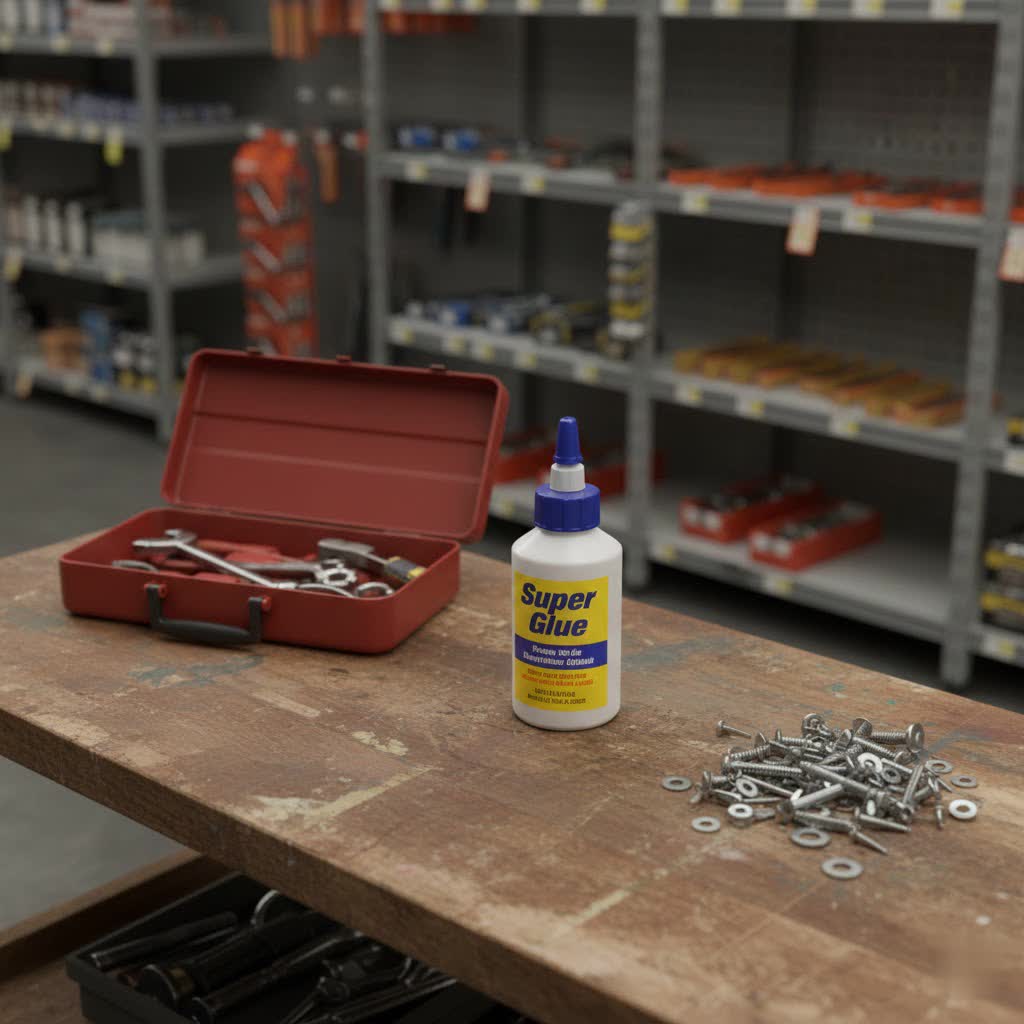
Finding a reliable yet non-toxic super glue is crucial for many projects, from DIY repairs to crafts. While traditional super glues (cyanoacrylates) can release irritating fumes, advancements offer safer options: low-odor/low-bloom CA glues reduce volatile compounds, certified food-safe CAs meet strict regulations for indirect food contact, and medical-grade CAs are FDA-approved for skin. For general household and craft use, truly non-toxic alternatives like water-based, low-VOC, or natural glues provide the safest choice.
Super Glue: Understanding the Basics and Beyond
Super glue, scientifically known as cyanoacrylate adhesive (CA glue), is popular for its incredible bonding strength and rapid drying time. It works by reacting with moisture in the air or on material surfaces, creating a powerful, almost instant bond. While conventional super glues are versatile for quick fixes, their strong fumes and potential for skin bonding often raise toxicity concerns. However, advancements in adhesive technology have introduced variations that address these safety issues, paving the way for more user-friendly and environmentally conscious options.
What is Super Glue and Its Key Components?
At its core, super glue is primarily composed of cyanoacrylate monomers. These molecules rapidly polymerize when exposed to tiny amounts of water, forming long, strong chains that create the adhesive bond. The term “cyano” in cyanoacrylate might misleadingly suggest the presence of cyanide, but this is a common misconception; cyanoacrylate adhesives do not contain cyanide. Traditional formulations can release volatile organic compounds (VOCs) and strong fumes during the curing process, which can be irritating, especially in poorly ventilated areas.
Popular Types of Super Glue and Their Applications
Super glues come in various formulations, each tailored for different needs:
- Thin Viscosity: Ideal for wicking into hairline cracks and porous materials, offering quick penetration and bonding.
- Medium Viscosity: A good all-rounder, balancing penetration with gap-filling capabilities.
- Thick/Gel Viscosity: Best for vertical surfaces, porous materials, and gap-filling, as it stays where applied without running.
- Rubber-Toughened: Offers increased flexibility and impact resistance, making bonds less brittle.
Beyond these general types, specialized “non-toxic” variants have emerged for specific applications.
Exploring Non-Toxic Super Glue Options
The quest for a “non-toxic super glue” often leads to a nuanced understanding: are we looking for super glues with reduced irritants, or entirely different adhesive types? The good news is that both categories offer safer choices depending on your project.
Low-Odor and Low-Bloom Cyanoacrylate Adhesives
For those who rely on the instant strength of CA glue but wish to avoid harsh fumes, low-odor and low-bloom cyanoacrylate adhesives are an excellent solution. These formulations, like Starbond’s Odorless Thin Super Glue, are specially designed to deliver precision and safety without the strong, irritating fumes of traditional CAs. They achieve this by utilizing a heavier molecular weight, which significantly reduces the release of volatile compounds and minimizes the “blooming” effect (the white residue often seen around glued areas).
- Benefits: Hypoallergenic, fumeless, ideal for enclosed spaces, sensitive users, and delicate applications.
- Common Uses: Infiltrating 3D printed parts, filling wood cracks, stabilizing musical instrument components, fossil preservation, and intricate inlay work.
While not entirely free of chemical components, these low-odor CAs drastically improve the user experience and reduce the risk of respiratory irritation and allergic reactions common with standard super glues.
Food-Safe Super Glue: Fact or Fiction?
|
Our Picks for the Best Super Glue in 2026
As an Amazon Associate I earn from qualifying purchases.
|
||
| Num | Product | Action |
|---|---|---|
| 1 | Loctite Super Glue Ultra Liquid Control, Clear, 0.14 fl oz Bottle, 6 Pack - Superglue for Plastic, Wood, Metal, Crafts & Repair, Cyanoacrylate Adhesive Instant Glue, Quick Dry |

|
| 2 | WoldoClean Super Glue for Metal 25g Extra Strong Metal Glue - for Stainless Steel and Aluminum, Dries Clear, Waterproof and Holds Instantly |
|
| 3 | Gorilla Super Glue Gel XL, Clear Glue, 25 Gram (Pack of 1) - All Purpose and Fast Setting for Projects and Repairs |
|
| 4 | Loctite 1363589 4-Gram Bottle Super Glue Ultra Gel Control Adhesive, 3-Pack |
|
| 5 | Krazy Glue Original Adhesive - Super Glue - Precision Tip - Multi-Purpose One Drop Applicator (12) |
|
| 6 | Bob Smith Industries BSI-157H Maxi Cure/Insta-Set Combo Pack (3 oz. Combined),Clear |
|
| 7 | Gorilla Super Glue with Brush & Nozzle Applicator, Clear Glue, 12 Gram (Pack of 1) - All Purpose and Fast Setting for Projects and Repairs |
|
| 8 | Super Glue Super Glue 15173-5 Single-use Minis,4 Pack |
|
| 9 | Loctite Super Glue Ultra Gel Control, 4-Gram Bottle (1739050) (Fоur Paсk) |
|
| 10 | Super Glue 15175 Mini Single Use Tubes 5-Pack |
|
When it comes to items that come into contact with food, the term “non-toxic” takes on an even more critical meaning. While most standard super glues are not food-safe, specific cyanoacrylate-based adhesives do exist that are certified for food contact. These specialized glues must comply with stringent regulations, such as FDA 21 CFR §175.300 or EU Regulation No 10/2011, ensuring that no harmful substances migrate into food once the adhesive is fully cured.
Important Considerations for Food-Safe Super Glues:
- Certification is Key: Always verify explicit certification details from the manufacturer.
- Full Curing: The adhesive must be fully cured before coming into contact with food.
- Temperature Limitations: Even certified food-safe glues generally cannot withstand high temperatures from microwaves, ovens, or dishwashers. Prolonged heat can cause the glue to break down, leading to visible hazing or warping.
- Application: Best suited for repairing items that only have indirect food contact or are gently washed, rather than heavily used kitchenware.
For direct food contact surfaces or items subjected to heat, alternatives like food-grade epoxy resins or specialized sealants may be more appropriate.
Medical-Grade Super Glue for Skin and Medical Devices
Perhaps the clearest example of “non-toxic super glue” in action is medical-grade cyanoacrylate adhesive. These specialized formulations are FDA-approved and widely used by healthcare professionals for closing small cuts and wounds, as well as in the assembly of medical devices. Brands like Dermabond (2-octyl cyanoacrylate) are designed to be non-toxic, flexible, waterproof, and even antimicrobial, creating a protective seal that stays in place until the wound heals naturally.
- Key Characteristics:
- Biocompatible: Meets rigorous standards like ISO 10993 and USP Class VI, ensuring they are safe for contact with living tissues.
- Flexible: Unlike household super glues, medical-grade versions flex with the skin, preventing cracking and irritation.
- Antimicrobial: Helps protect against infection.
- Applications: Used for minor cuts, surgical incisions, and manufacturing essential medical equipment like catheters, syringes, and masks.
It’s crucial to understand that household super glues (e.g., Krazy Glue, Gorilla Glue, Loctite) are not formulated for use on skin and can cause irritation or adverse reactions. Always use medically approved versions for any skin applications.
Truly Non-Toxic & Low-VOC Alternatives
For projects where the instant bond of CA glue isn’t strictly necessary, several truly non-toxic and low-VOC (Volatile Organic Compound) glues offer safer alternatives, especially for general household repairs or crafts involving children. These adhesives are formulated without harsh chemicals like xylene, toluene, light aliphatic naphtha, and N-hexane.
Some popular examples include:
- Multi-Purpose Glues: Brands like Weldbond Multi-Purpose Glue or Elmer’s Multi-Surface Bond Weatherproof Glue are versatile, low-VOC options suitable for wood, ceramics, stone, glass, and plastic.
- Silicone Sealants: 100% silicone adhesives are often waterproof and non-toxic, making them excellent for aquariums or sealing applications.
- Eco-Friendly Construction Adhesives: Products like AFM Safecoat Almighty Adhesive are solvent-free and designed for various construction materials with minimal environmental impact.
- Natural/Homemade Glues: For simple craft projects, homemade glues made from wheat flour, cornstarch, salt, and vinegar are entirely non-toxic and eco-friendly.
These alternatives might not offer the same rapid bonding speed as super glue, but they provide a significantly safer profile for sensitive applications and general use.
Comparison of Super Glue Types for “Non-Toxic” Considerations
Choosing the right adhesive means weighing its properties against your specific needs, particularly when safety is a concern.
| Feature | Standard Cyanoacrylate (CA) Glue | Low-Odor/Low-Bloom CA Glue | Food-Safe CA Glue (Certified) | Medical-Grade CA Glue | Other Non-Toxic/Low-VOC Adhesives (e.g., Weldbond, Silicone) |
|---|---|---|---|---|---|
| Primary Concern | Fumes, skin bonding, irritation | Reduced fumes, minimal blooming | Food contact safety | Skin/tissue compatibility | VOCs, harsh chemicals |
| Fumes | Strong, irritating | Significantly reduced/fumeless | Minimal once cured | Minimal once cured | Often low or no odor |
| Toxicity (Liquid) | Irritant, rapid skin/eye bonding | Irritant, rapid skin/eye bonding | Irritant, rapid skin/eye bonding | Non-toxic to living tissues | Varies by product, generally low irritation |
| Toxicity (Cured) | Low toxicity | Low toxicity | Non-toxic, safe for food contact (if certified) | Non-toxic, biocompatible | Non-toxic |
| Food Safe | No | No | Yes (with specific certifications, post-curing) | No (not designed for food contact) | Varies (some silicones are, check labels) |
| Medical Use | No (causes irritation) | No (not certified for skin) | No | Yes (FDA-approved for skin, medical devices) | No |
| Drying Time | Very fast (seconds) | Fast (seconds, can be accelerated) | Fast (seconds, requires full cure for food safety) | Fast (seconds) | Slower (minutes to hours) |
| Best For | General repairs (non-sensitive areas) | Delicate projects, enclosed spaces, sensitive users | Repairing certain food contact items (with care) | Minor cuts, medical device assembly | Crafts, household repairs, items needing flexibility, general use with kids |
| Disadvantages | Strong fumes, skin irritation, brittle bond | Still a CA (can bond skin), not truly “non-toxic” for all uses | Temperature sensitive, requires certification | Specialized and more expensive, not for general use | Slower drying, not always “super” strong, specific material compatibility |
The “Non-Toxic” Spectrum: A Deeper Look
The term “non-toxic super glue” can be misleading. While many cyanoacrylate glues are considered non-toxic once fully dried and inert, their liquid form and fumes can still pose risks. Therefore, choosing a “non-toxic super glue” usually means opting for:
- Low-odor CA glues: These minimize fume exposure, making them safer to use.
- Certified food-safe or medical-grade CAs: These are rigorously tested for specific safe applications.
- Completely different, truly non-toxic adhesives: Such as water-based, low-VOC, or natural glues for general household and craft purposes.
Guiding You to Safe and Effective Super Glue Use
Even with “safer” options, proper handling of any adhesive is paramount. Here’s how to ensure safety and optimal performance.
Essential Preparation Before Using Super Glue
Preparation is key for both safety and effective bonding:
- Read Instructions: Always read the manufacturer’s instructions and safety data sheet (SDS) carefully before use.
- Ventilation: Work in a well-ventilated area to minimize fume inhalation, even with low-odor formulas. If possible, use a fan to circulate air.
- Personal Protective Equipment (PPE):
- Gloves: Wear nitrile or latex gloves to prevent skin contact. Avoid cotton or wool, as CA glue can react with these materials, generating heat and causing burns.
- Eye Protection: Safety glasses or goggles are crucial to protect your eyes from splashes.
- Surface Preparation: Ensure surfaces are clean, dry, and free of dust, oil, or grease. Lightly sanding or scuffing smooth surfaces can improve adhesion.
- Protect Work Area: Cover your workspace with newspaper or plastic sheets to protect against spills.
Correct Techniques for Optimal Super Glue Bonding
Applying super glue correctly ensures a strong, lasting bond:
- Less is More: Apply a small amount of glue to one surface. A thin, even coat is more effective than a thick one. Too much glue can actually weaken the bond and increase drying time.
- Press Firmly: Immediately press the surfaces together and hold them firmly for at least 30-60 seconds, or as directed by the product. The initial bond happens quickly.
- Allow Full Cure: While the initial bond is fast, most super glues require 24 hours to achieve maximum strength and to allow residual fumes to dissipate, especially for specialized applications like food-safe items.
- Avoid Movement: Do not disturb the bonded item until it has fully cured.
What to Do If Super Glue Bonds to Skin or Clothing
Accidents happen, but knowing how to react can minimize harm:
- Skin:
- Do NOT pull or rip the glued skin apart, as this can tear the skin.
- Soak the affected area in warm, soapy water.
- Gently and slowly roll the bonded skin apart.
- Petroleum jelly, mineral oil, or a topical antibiotic ointment can help loosen the bond over time.
- Acetone (nail polish remover) can dissolve CA glue but should be used cautiously, especially around the face, eyes, or mucous membranes, as it can cause irritation.
- Eyes: Seek immediate medical attention. Do NOT attempt to force eyes open.
- Mouth: Rinse mouth thoroughly with water. Super glue will rapidly polymerize and stick, but typically won’t reach beyond the mouth or cause serious toxicity once dry. Consult a medical professional if concerned.
- Clothing: Acetone can be used carefully, but it may damage or discolor certain fabrics. Allow the glue to dry and then try to scrape or peel it off. If the clothing is cotton or wool, dispose of it carefully due to the potential heat reaction during bonding.
Your Buying Guide to Non-Toxic Super Glue
Choosing the right “non-toxic” super glue involves understanding your project’s specific needs and the varying definitions of “non-toxic.”
Pinpointing Your Specific Needs
- Food Contact: For kitchenware, only select products explicitly certified as food-safe by regulatory bodies like the FDA or EU. Be aware of temperature limitations.
- Skin/Medical: For cuts or medical devices, use only FDA-approved medical-grade cyanoacrylate adhesives. Never use household super glue on skin.
- General Household Repairs (Low Fumes): Opt for low-odor, low-bloom CA glues for a better user experience in general repairs.
- Crafts/Children’s Use: Choose water-based, low-VOC, or natural non-toxic glues that are specifically marketed as child-safe.
- Material Compatibility: Consider the materials you’re bonding (wood, plastic, metal, fabric, foam). Some glues are better suited for specific substrates.
Key Factors to Evaluate
- Safety Certifications: Look for FDA approval for medical or food contact, or “low-VOC” and “non-toxic” labels for general purpose glues.
- Ingredient List: While not always fully disclosed, look for “odorless” or “fumeless” claims for CA glues, or absence of strong solvents in general adhesives.
- Application Method: Consider applicator type (brush, precision tip, gel) for ease of use and reduced mess.
- Drying/Curing Time: Balance instant bonding needs with longer curing times required for certain “non-toxic” properties (e.g., full food-safe cure).
- Shelf Life: Super glues can dry out quickly once opened; check for airtight caps or smaller tubes to prevent waste.
Reputable Brands Offering Safer Super Glue Options
While many brands produce super glues, here are some that offer options leaning towards “non-toxic” or safer use:
- Starbond: Known for its “Odorless” CA glue lines, specifically designed to reduce fumes and improve user comfort.
- Infinity Bond: Offers “Low Odor and Low Bloom Cyanoacrylate Super Glue” and medical-grade CAs that meet biocompatibility standards.
- Weldbond: A multi-purpose, low-VOC household glue often cited as a non-toxic alternative for general bonding needs.
- Elmer’s: While not a “super glue” brand, Elmer’s offers various non-toxic, washable craft and multi-surface glues suitable for children and general home use.
- Dermabond/SurgiSeal: These are specific medical-grade cyanoacrylate adhesives approved by the FDA for topical skin closure.
Always scrutinize product labels and safety data sheets to ensure they meet your specific “non-toxic” requirements.
Important Considerations When Using Super Glue
Responsible use extends beyond application techniques.
- Always Read Instructions: This cannot be stressed enough. Different glues have different requirements for safety and performance.
- Ventilation is Non-Negotiable: Even “low-odor” glues still release some vapors. Good airflow protects your respiratory health.
- Gloves and Eye Protection: Essential for preventing skin bonding and eye injury.
- Keep Out of Reach of Children and Pets: Super glue is not a toy. Store it securely to prevent accidental exposure.
- Proper Storage: Store in a cool, dry place, away from direct sunlight, to extend shelf life and maintain effectiveness.
- Don’t Force Bonds: If a bond isn’t holding, reapplying more glue may not be the answer. Re-evaluate surface preparation or consider if the glue is suitable for the materials.
Conclusion
The journey to finding a truly “non-toxic super glue” reveals a spectrum of options, from low-fume cyanoacrylates to specialized medical and food-safe formulations, and entirely different eco-friendly adhesives. While the instant bond of traditional super glue remains unmatched for many tasks, prioritizing health and safety means making informed choices. By understanding the distinctions between these products and adopting best practices for ventilation, PPE, and application, you can enjoy the benefits of strong adhesives without compromising well-being. From mending a cherished ceramic to securing medical equipment, the right “non-toxic” glue is out there.
What “non-toxic” adhesive challenge are you tackling next in your home or workshop?
Frequently Asked Questions
Is all super glue toxic?
No, not all super glue is toxic, especially once cured. While liquid cyanoacrylate can be an irritant and its fumes can cause respiratory irritation, dried super glue is generally considered inert and non-toxic. However, specialized medical-grade and certain food-safe formulations are explicitly designed and certified for non-toxicity in specific applications, making them distinct from standard household super glues.
Can I use regular super glue on my skin for cuts?
No, you should never use regular, household super glue on your skin for cuts. These glues are not formulated for biological tissue and can cause irritation, damage skin tissue, and may not provide a sterile, flexible, or antimicrobial seal. Always opt for FDA-approved medical-grade cyanoacrylate adhesives, like Dermabond, which are specifically designed and tested for safe skin closure.
How do “low odor” super glues work?
“Low odor” super glues, also known as low-bloom cyanoacrylates, are formulated with a heavier molecular weight. This chemical modification causes fewer volatile compounds to be released into the air during the curing process, significantly reducing the strong fumes and the white “blooming” residue typically associated with traditional super glues, making them more comfortable to use in enclosed spaces.
Is there a truly food-safe super glue?
Yes, truly food-safe super glues exist, but they are specialized cyanoacrylate-based adhesives that have specific certifications (e.g., FDA 21 CFR §175.300 or EU Regulation No 10/2011). It is crucial to check for these explicit certifications from the manufacturer. However, even certified food-safe glues are generally not suitable for items exposed to high temperatures like microwaves or dishwashers, as heat can break down the adhesive.
What are some non-toxic alternatives to super glue for crafts?
For crafts and general household use, several truly non-toxic and low-VOC (Volatile Organic Compound) alternatives are available. These include water-based multi-purpose glues like Weldbond, certain silicone sealants, and eco-friendly construction adhesives. For simple projects, homemade glues made from flour, cornstarch, salt, and vinegar are excellent, completely non-toxic options.
How to Use Super Glue Safely and Effectively
Ensure safety and optimal performance when using any super glue by following these essential preparation and application steps.
Always read the manufacturer's instructions and safety data sheet (SDS) carefully. Work in a well-ventilated area, and wear nitrile or latex gloves and safety glasses to prevent skin and eye contact.
Ensure surfaces are clean, dry, and free of dust, oil, or grease for optimal adhesion. Lightly sanding or scuffing smooth surfaces can improve the bond. Protect your workspace with newspaper or plastic sheets.
Apply a small, thin, even coat of glue to one surface; less is often more. Immediately press the surfaces together and hold them firmly for at least 30-60 seconds, or as directed by the product instructions.
While the initial bond is fast, most super glues require 24 hours to achieve maximum strength. This also allows residual fumes to dissipate, especially important for specialized applications like food-safe items. Do not disturb the bonded item until it has fully cured.
Get our weekly buyer guide
Practical specs, not advice. Unsubscribe anytime.

As someone who does a lot of small DIY repairs around the house, I’m always concerned about the chemicals in products. The explanation about truly non-toxic alternatives like natural glues was exactly what I needed. I found a great natural glue that works wonders on wood and fabric, and I don’t have to worry about ventilation. It’s become my go-to for almost everything.
I’ve been looking for a safer option for my crafting projects, especially since I often work indoors. The mention of low-odor/low-bloom CA glues in the post was a game-changer. I picked up one of the recommended brands, and it’s fantastic! No more headaches from strong fumes, and it still bonds just as strong as my old super glue. Highly recommend for anyone sensitive to smells.
This was really helpful for understanding the difference between various ‘non-toxic’ claims. I appreciated the info on certified food-safe CAs. I needed to fix a small crack in a ceramic dish that sometimes holds fruit, and knowing there are options safe for indirect food contact gave me peace of mind. It worked perfectly and dried clear.
I tried one of the water-based glues mentioned for a small ceramic repair. While it was definitely non-toxic and easy to clean up, it took a lot longer to set than I expected. I had to hold the pieces together for a good five minutes, which was a bit inconvenient. It got the job done eventually, but I prefer something faster for quick fixes.