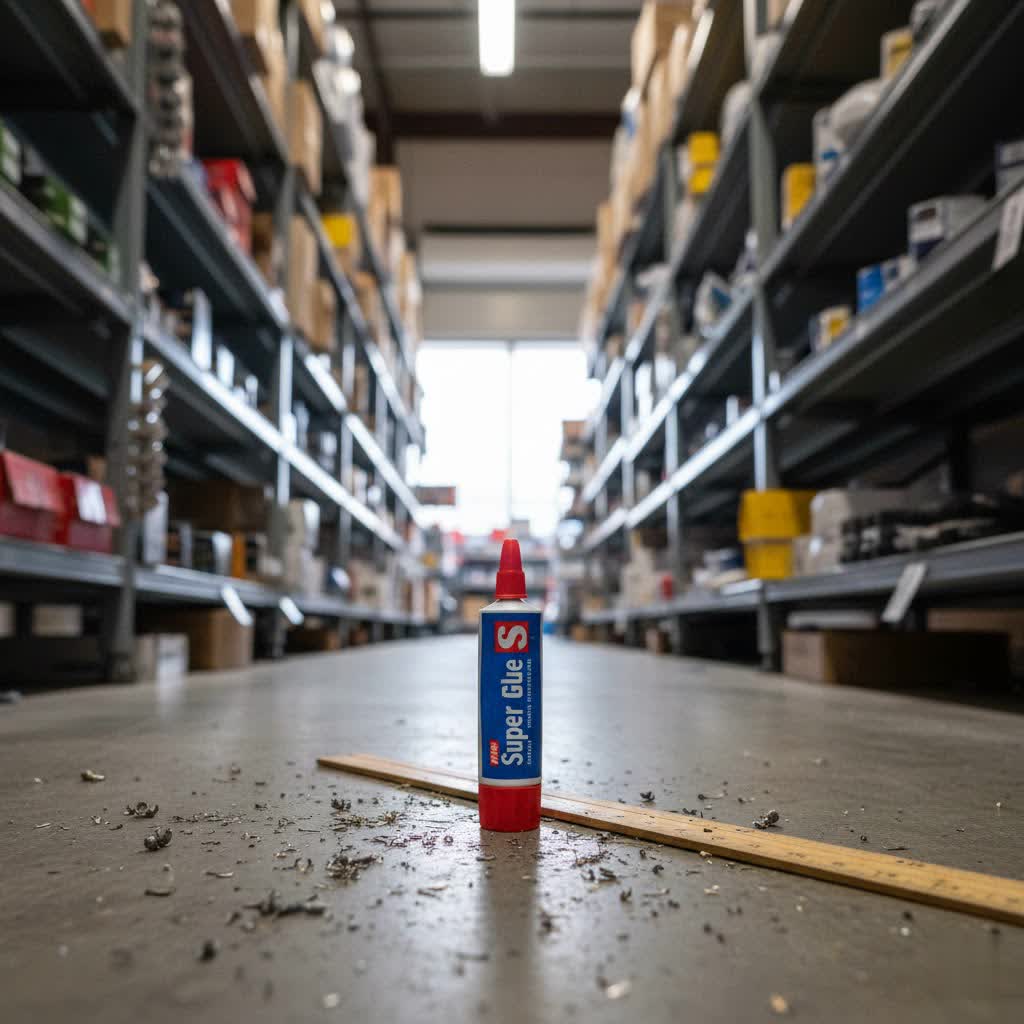
Accidental super glue spills on plastic can be frustrating, but they are often reversible. The most effective methods for dissolving super glue from plastic involve using common household items like acetone, rubbing alcohol, vegetable oil, white vinegar, or WD-40, or specialized CA debonders. Always test your chosen method on an inconspicuous area first, as different plastics react differently to various chemicals, with some being highly susceptible to damage.
Understanding Super Glue’s Bond on Plastic
Super glue, scientifically known as cyanoacrylate adhesive, forms an incredibly strong and rapid bond by reacting with moisture in the air. This chemical reaction creates a durable, hard plastic layer that adheres tenaciously to most surfaces, including many types of plastic. While its quick-drying nature is a boon for instant fixes, it also means that accidental spills set almost immediately, making removal a race against time and a test of patience. The inherent difficulty lies in the fact that many effective glue solvents can also react with or damage certain types of plastic, turning a minor issue into a major problem if not handled with care.
Essential Precautions Before You Begin
Before attempting any super glue removal, prioritizing safety and damage prevention is crucial. Always work in a well-ventilated area to avoid inhaling fumes from solvents. Protect your hands with chemical-resistant gloves and your eyes with safety glasses to prevent accidental contact with glue or removers. Crucially, always test your chosen removal method on an inconspicuous area of the plastic first. Different plastics react differently to various chemicals; what works safely on one might melt or discolor another. A small test spot can save your item from irreversible damage. If possible, try to identify the type of plastic, as some, like polyethylene and polypropylene, are more resistant, while others, such as polystyrene or ABS, are far more susceptible to chemical attack.
Effective Methods for Dissolving Super Glue from Plastic
Successfully dissolving super glue from plastic requires understanding the properties of various common substances and their potential effects on different plastic types. A range of household items and specialized products can break down cyanoacrylate, each with its own benefits and considerations.
Household Solutions for Glue Removal
For most spills, you can often find effective solutions right in your home. These methods vary in strength and speed, offering options from gentle and slow to more potent, requiring caution.
Acetone (Nail Polish Remover)
Acetone is a highly effective solvent for cyanoacrylate, quickly breaking down the chemical bonds that form super glue. When using acetone, apply a small amount to a cotton ball or swab and dab it onto the hardened glue. Allow it a few moments to soak in and soften the adhesive, then gently rub. As the glue softens, you can carefully scrape it away with a dull edge, such as a plastic scraper or old credit card. However, proceed with extreme caution: acetone can aggressively dissolve or discolor many common plastics, including polystyrene, ABS plastic, and acrylics. Testing on an unseen area is paramount.
Rubbing Alcohol (Isopropyl Alcohol)
Rubbing alcohol is a milder solvent compared to acetone and is generally safer for a wider range of plastics, though it may take more time and effort. It works by softening the super glue, making it easier to loosen and remove. Saturate a cloth or paper towel with isopropyl alcohol and lay it over the glued area, allowing it to soak for several minutes. Gently rub and scrape the softened glue. Repeat the process if necessary, as patience is key with this method.
Vegetable Oil, Olive Oil, or Skin Moisturizer
For a gentler approach, especially on fresh spills or sensitive plastics, household oils or skin moisturizers can be surprisingly effective. These substances don’t “dissolve” the glue in the same way chemical solvents do, but rather work by lubricating the bond between the glue and the plastic, helping to lift it away. Apply a generous amount of oil or moisturizer to the super glue, coating it completely. Let it sit for several hours, or even overnight, to allow it to penetrate and weaken the adhesion. Afterwards, gently rub the area with a cloth, and the softened glue should begin to peel or roll off.
White Vinegar
White vinegar, with its mild acetic acid content, can also help break down super glue over time. This method is often recommended for more stubborn, older glue spots and is considered relatively safe for most plastics. Soak the affected plastic item in a bowl of white vinegar, or apply vinegar-soaked cloths directly to the glue. For best results, allow it to soak for an extended period, potentially up to 24 hours for a significant softening effect. Once softened, use a dull scraper or a stiff brush to remove the glue residue.
WD-40 Multi-Use Product
Surprisingly, WD-40, known for its lubricating and penetrating properties, can also be effective in loosening super glue from plastic surfaces. Spray a small amount of WD-40 directly onto the super glue. Allow it to sit for a few minutes, giving the product time to penetrate the hardened adhesive. Then, use a damp cloth to rub away the softened glue. As with other methods, testing on an inconspicuous spot is recommended before widespread application.
Specialized Super Glue Removers (CA Debonders)
|
Our Picks for the Best Super Glue in 2026
As an Amazon Associate I earn from qualifying purchases.
|
||
| Num | Product | Action |
|---|---|---|
| 1 | Loctite 1363589 4-Gram Bottle Super Glue Ultra Gel Control Adhesive, 3-Pack |

|
| 2 | Bob Smith Industries BSI-157H Maxi Cure/Insta-Set Combo Pack (3 oz. Combined),Clear |
|
| 3 | Krazy Glue Original Adhesive - Super Glue - Precision Tip - Multi-Purpose One Drop Applicator (12) |
|
| 4 | Loctite Super Glue Ultra Gel Control, 4-Gram Bottle (1739050) (Fоur Paсk) |
|
| 5 | Super Glue 15175 Mini Single Use Tubes 5-Pack |
|
| 6 | Loctite Super Glue Ultra Liquid Control, Clear, 0.14 fl oz Bottle, 6 Pack - Superglue for Plastic, Wood, Metal, Crafts & Repair, Cyanoacrylate Adhesive Instant Glue, Quick Dry |
|
| 7 | WoldoClean Super Glue for Metal 25g Extra Strong Metal Glue - for Stainless Steel and Aluminum, Dries Clear, Waterproof and Holds Instantly |
|
| 8 | Gorilla Super Glue Gel XL, Clear Glue, 25 Gram (Pack of 1) - All Purpose and Fast Setting for Projects and Repairs |
|
| 9 | Super Glue Super Glue 15173-5 Single-use Minis,4 Pack |
|
| 10 | Gorilla Super Glue with Brush & Nozzle Applicator, Clear Glue, 12 Gram (Pack of 1) - All Purpose and Fast Setting for Projects and Repairs |
|
When household remedies aren’t enough, or when dealing with delicate and valuable plastic items, specialized super glue removers, often called CA debonders, are an excellent option. These products are specifically formulated to break down cyanoacrylate bonds while often being designed to be safer for plastics than pure acetone. Always follow the manufacturer’s instructions carefully when using these products, as application methods and safety precautions can vary. They typically involve applying the remover, allowing it to penetrate, and then gently wiping or scraping the softened glue away.
Step-by-Step Guide: Safely Removing Super Glue from Plastic
Follow these steps for a methodical and safe approach to removing super glue from your plastic items:
- Gather Your Materials: Collect your chosen solvent (acetone, rubbing alcohol, oil, vinegar, or specialized remover), cotton balls or swabs, soft cloths, a dull plastic scraper, and protective gear (gloves, safety glasses).
- Prepare Your Workspace: Ensure you are in a well-ventilated area. Protect your work surface with old newspapers or a disposable mat. Don your gloves and safety glasses.
- Perform a Test Patch: Before applying any solvent to the main area, test it on an inconspicuous spot of the plastic. Apply a tiny amount and observe for any discoloration, melting, or softening of the plastic for several minutes. If there’s no adverse reaction, proceed.
- Apply the Solvent:
- For liquid solvents like acetone or alcohol, saturate a cotton ball or swab.
- For oils or vinegar, soak a small piece of cloth.
- For spray products like WD-40, apply a focused spray.
- Place the saturated material directly over the super glue spill.
- Allow Time to Penetrate: Let the solvent sit on the glue for a period, which varies by method. Acetone might work in minutes, while vinegar or oils may need hours, or even overnight. Patience is critical here; rushing can lead to damage.
- Gently Scrape and Rub: Once the glue appears softened, gently rub the area with a clean, soft cloth. For thicker residue, carefully use a dull plastic scraper, a credit card edge, or your fingernail to lift and remove the softened glue. Avoid sharp metal tools that can scratch the plastic.
- Clean Residue: After removing the bulk of the glue, wipe the area clean with a damp cloth (water or mild soap solution) to remove any remaining solvent or glue particles.
- Repeat if Necessary: For stubborn or large spills, you may need to repeat the application and removal process multiple times.
When to Exercise Extreme Caution or Avoid a Method
Certain situations call for heightened caution or a complete avoidance of particular removal techniques. If your plastic item is particularly delicate, painted, or irreplaceable, always opt for the mildest methods first, such as vegetable oil or vinegar. Harsh solvents like pure acetone should be avoided on most painted plastics or thin, brittle plastics, as they can strip paint or cause irreversible structural damage. Similarly, avoid aggressive scrubbing or using abrasive materials like sandpaper unless absolutely necessary and only on areas where slight surface scratching is acceptable, as seen in some industrial applications.
Common Mistakes to Avoid
Removing super glue can be a delicate operation, and knowing what pitfalls to avoid is as important as knowing what to do. One common mistake is forceful scraping with sharp objects, which almost guarantees scratches or gouges in the plastic. Another critical error is not testing solvents on an inconspicuous area, leading to unexpected plastic damage. Using too much solvent in a single application, especially acetone, can also be detrimental, potentially spreading damage beyond the glue spot. Finally, impatience is often the enemy of successful glue removal; giving the solvent adequate time to work is crucial for minimizing effort and preventing damage.
Conclusion
Accidental super glue spills on plastic no longer need to be a permanent blemish. By understanding the nature of cyanoacrylate and employing the right techniques with patience and caution, you can effectively dissolve super glue from your plastic items without causing further damage. Whether you opt for common household solutions like vegetable oil or vinegar, or turn to more potent options like acetone or specialized removers, the key is always to test first and apply gently. With these strategies, restoring your plastic possessions to their original condition is entirely achievable. Which method has saved your plastic items from a super glue mishap?
Frequently Asked Questions
Can acetone damage all types of plastic?
No, acetone does not damage all types of plastic, but it can severely damage many common ones, including polystyrene, ABS, and acrylic. It’s relatively safe for plastics like polyethylene (PE) and polypropylene (PP), but always perform a discreet test patch first to prevent irreversible damage.
How long does it take to dissolve super glue with vinegar?
Dissolving super glue with white vinegar typically takes longer than with stronger chemical solvents. For effective softening and removal, you may need to let the vinegar soak on the glue for several hours, or even up to 24 hours, depending on the thickness and age of the glue.
Is it possible to remove super glue without any chemicals?
Removing super glue without chemicals is challenging but sometimes possible for very small or fresh spots. Mechanical methods like gently peeling or carefully scraping with a dull plastic edge can work, especially if the glue hasn’t fully cured or is on a non-porous surface that doesn’t bond strongly. Freezing the item can also make the glue brittle and easier to chip off.
What if the plastic is colored or painted?
For colored or painted plastic, extreme caution is advised, as many solvents (especially acetone) can strip paint or bleach the plastic’s color. Start with the gentlest methods like vegetable oil or white vinegar. If stronger solvents are needed, test meticulously in a hidden area to ensure it doesn’t damage the finish or color.
Are there any commercially available products specifically for this?
Yes, there are specialized super glue removers, often called “CA Debonders,” available in hardware stores or hobby shops. These products are formulated to break down cyanoacrylate glue and are often designed to be safer for various plastic types than generic solvents, though patch testing is still recommended.
Safely Removing Super Glue from Plastic
Follow these steps for a methodical and safe approach to removing super glue from your plastic items using various solvents.
Collect your chosen solvent (acetone, rubbing alcohol, oil, vinegar, or specialized remover), cotton balls or swabs, soft cloths, a dull plastic scraper, and protective gear (gloves, safety glasses). Ensure you have everything ready before starting the process.
Before applying any solvent to the main area, test it on an inconspicuous spot of the plastic. Apply a tiny amount and observe for any discoloration, melting, or softening of the plastic for several minutes. If there's no adverse reaction, proceed to the next step.
Saturate a cotton ball or swab with liquid solvents like acetone or alcohol, or soak a small piece of cloth for oils or vinegar. For spray products like WD-40, apply a focused spray. Place the saturated material directly over the super glue spill, ensuring good contact.
Let the solvent sit on the glue for a period, which varies by method. Acetone might work in minutes, while vinegar or oils may need hours, or even overnight. Patience is critical here; rushing can lead to damage to the plastic surface.
Once the glue appears softened, gently rub the area with a clean, soft cloth. For thicker residue, carefully use a dull plastic scraper, a credit card edge, or your fingernail to lift and remove the softened glue. Avoid sharp metal tools that can scratch the plastic.
Get our weekly buyer guide
Practical specs, not advice. Unsubscribe anytime.

I had a terrible super glue mishap on my son’s favorite plastic toy, and I thought it was ruined for good. The tip about using rubbing alcohol was a lifesaver! It took a little patience and a few applications, but the glue came right off without damaging the plastic. So glad I didn’t have to throw it away.
I’ve always been wary of using strong chemicals on plastic, so I tried the vegetable oil method first for a small spill on a clear plastic container. It worked surprisingly well for a fresh, thin layer of glue. For tougher spots, I did have to switch to acetone, but the oil was a good gentle starting point.
This was so helpful! I spilled some cyanoacrylate adhesive on a plastic model kit I was working on, and I was panicking. The advice to test on an inconspicuous area first was crucial because my particular plastic was a bit sensitive. WD-40 ended up being the perfect solution for my type of plastic, and it didn’t leave any residue.
I tried the white vinegar method on a dried super glue spill on a hard plastic case. While it did soften the glue a bit, it took a really long time and a lot of scrubbing to get it off completely. It’s probably better for very small or fresh spills, but for a bigger, older mess, I’d probably just go straight for a CA debonder next time.