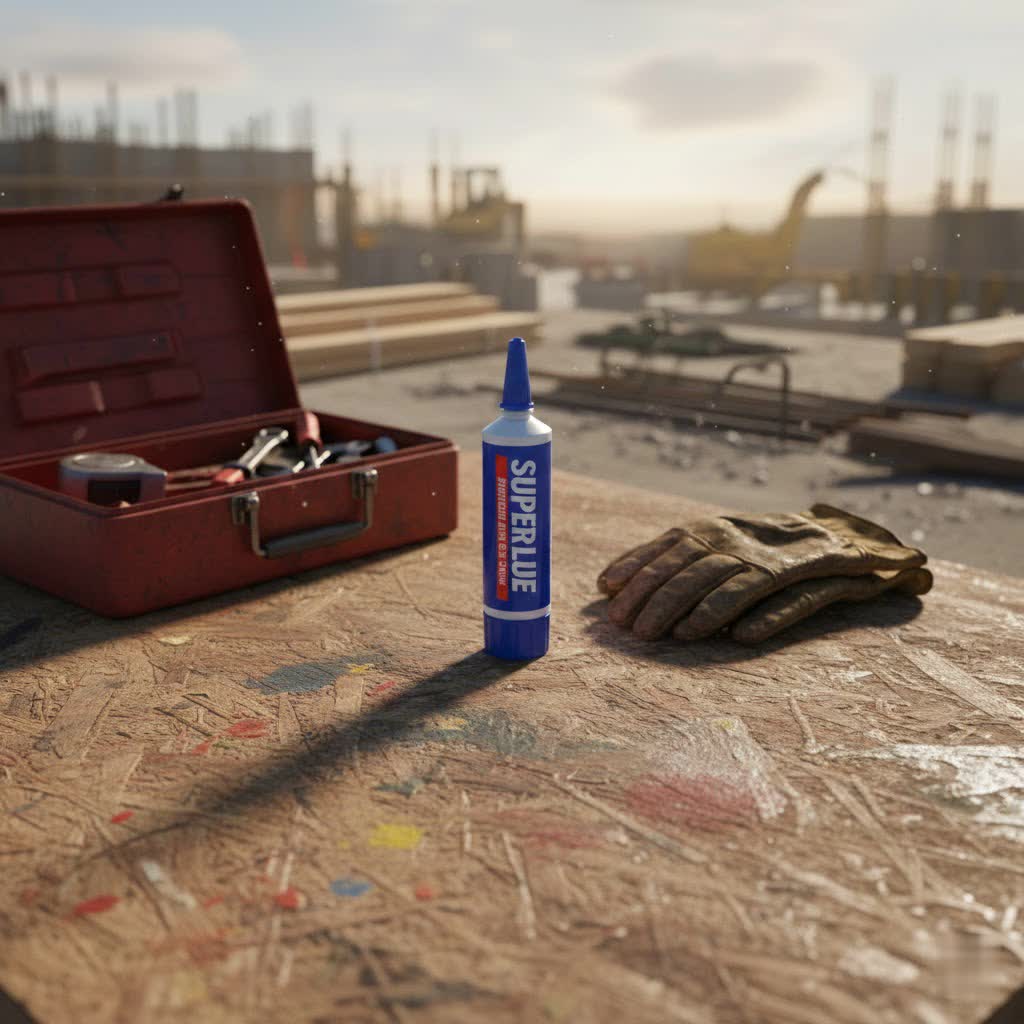
Ever found yourself holding two pieces together, patiently waiting for the glue to set, only to have your project slip or your patience wear thin? We’ve all been there. Quick fixes are essential, and when it comes to adhesives, nothing beats the power and speed of fast drying super glue. This article, penned by an adhesive technician with over a decade of hands-on experience, will cut through the sticky mess of options, offering you an expert’s insights into choosing, using, and mastering the ultimate instant bonding solution. Get ready to improve your DIY game and achieve stronger, quicker, and more reliable repairs with confidence.
What is Fast Drying Super Glue?
At its core, fast drying super glue is a cyanoacrylate adhesive, a chemical compound renowned for its ability to create exceptionally strong bonds almost instantly. Unlike traditional glues that rely on water evaporation to dry, cyanoacrylate adhesives harden through a process called polymerization, which is triggered by trace amounts of moisture present in the air and on the surfaces being bonded. This chemical reaction allows super glue to achieve handling strength within mere seconds, making it a go-to for urgent repairs and intricate projects where time is of the essence. The speed of its reaction is what makes it so incredibly convenient, transforming frustrating waits into swift, successful bonds. For browse all super glue articles on this site.
Why Speed Matters
The rapid bonding time of fast drying super glue isn’t just a convenience; it’s a critical factor for countless applications. For everyday household repairs, it means less time spent holding pieces together and a quicker return to normalcy. In crafting, it allows for seamless progress without waiting periods, while in more precise applications like model making or electronics, it minimizes the risk of parts shifting out of alignment. The ability to achieve a secure hold in seconds dramatically improves efficiency and reduces the chance of errors, ensuring your projects are completed quickly and with robust results.
Types of Fast Drying Super Glue
While all super glues share the same fundamental cyanoacrylate chemistry, they come in various formulations designed for different needs, impacting both their drying speed and application suitability.
Liquid vs. Gel: Speed and Control
The most common distinction you’ll encounter is between liquid and gel formulas.
- Liquid Super Glue: This is the classic, thin viscosity super glue that flows easily. It penetrates tiny cracks and tight-fitting joints quickly, offering the fastest initial set times, often in just 10-30 seconds. However, its thin consistency can make it prone to drips and runs, requiring precise application.
- Gel Super Glue: Thicker in consistency, gel super glue offers more control, making it ideal for vertical surfaces, porous materials, and filling small gaps. While it may take a few seconds longer to achieve initial tack compared to liquid formulas, it still qualifies as fast-drying, typically setting within 15-45 seconds. The “no-drip” formula is a significant advantage for cleaner applications.
Specialized Formulations
|
Our Picks for the Best Super Glue in 2026
As an Amazon Associate I earn from qualifying purchases.
|
||
| Num | Product | Action |
|---|---|---|
| 1 | Super Glue 15175 Mini Single Use Tubes 5-Pack |

|
| 2 | Loctite Super Glue Ultra Liquid Control, Clear, 0.14 fl oz Bottle, 6 Pack - Superglue for Plastic, Wood, Metal, Crafts & Repair, Cyanoacrylate Adhesive Instant Glue, Quick Dry |
|
| 3 | Bob Smith Industries BSI-157H Maxi Cure/Insta-Set Combo Pack (3 oz. Combined),Clear |
|
| 4 | Loctite 1363589 4-Gram Bottle Super Glue Ultra Gel Control Adhesive, 3-Pack |
|
| 5 | Gorilla Super Glue Gel XL, Clear Glue, 25 Gram (Pack of 1) - All Purpose and Fast Setting for Projects and Repairs |
|
| 6 | WoldoClean Super Glue for Metal 25g Extra Strong Metal Glue - for Stainless Steel and Aluminum, Dries Clear, Waterproof and Holds Instantly |
|
| 7 | Super Glue Super Glue 15173-5 Single-use Minis,4 Pack |
|
| 8 | Loctite Super Glue Ultra Gel Control, 4-Gram Bottle (1739050) (Fоur Paсk) |
|
| 9 | Krazy Glue Original Adhesive - Super Glue - Precision Tip - Multi-Purpose One Drop Applicator (12) |
|
| 10 | Gorilla Super Glue with Brush & Nozzle Applicator, Clear Glue, 12 Gram (Pack of 1) - All Purpose and Fast Setting for Projects and Repairs |
|
Beyond basic liquid and gel, manufacturers have developed specialized fast-drying super glues to cater to unique requirements:
- Rubber-Toughened Formulas: These are designed for increased flexibility and impact resistance, often a trade-off for a slightly longer, though still fast, drying time. They are excellent for materials subject to vibration or bending.
- Gap-Filling Super Glues: Often thicker gels, these are formulated to bond surfaces that don’t fit perfectly flush, providing a stronger bond in imperfect joints.
- Brush-On and Precision Applicators: These aren’t different chemical types but rather specialized dispensing methods that enhance control and allow for extremely thin, fast-drying applications.
Comparing Fast Drying Super Glues
Choosing the right fast drying super glue depends heavily on your project’s specific demands. Here’s a comparison of popular types and brands, focusing on their key characteristics:
| Feature | Liquid Super Glue | Gel Super Glue | Rubber-Toughened Super Glue |
|---|---|---|---|
| Initial Set Time | 10-30 seconds | 15-45 seconds | 30-60 seconds |
| Full Cure Time | 24 hours | 24 hours | 24 hours (for maximum flexibility and strength) |
| Viscosity | Very low (thin, watery) | High (thick, non-drip) | Medium to High (often slightly thicker than liquid) |
| Ideal Materials | Smooth, non-porous, tight-fitting joints: metal, plastic, ceramics, glass | Porous, vertical, or slightly gapped surfaces: wood, leather, fabric, ceramics | Flexible materials or those subject to impact: rubber, leather, shoes, some plastics |
| Precision | High, but prone to drips | Excellent, no-drip control | Good, depending on applicator |
| Strength | Very strong, rigid bond | Strong, rigid bond, good gap-filling | Very strong, flexible, impact-resistant bond |
| Examples (Brands) | Loctite Super Glue Ultra Liquid Control, Original Super Glue Liquid | Gorilla Super Glue Gel, Krazy Glue Maximum Bond Gel, Loctite Super Glue Ultra Gel Control | Loctite Plastics Bonding System, Gorilla Super Glue Impact-Tough Formula |
“The magic of fast drying super glue isn’t just in its speed, but in understanding how its diverse formulations interact with different materials. A gel might be perfect for a porous ceramic, while a thin liquid excels on a tight metal joint.” – Admin, reviewsmov.com
Factors Influencing Drying Speed
While “fast drying” is a hallmark of super glues, several factors can significantly impact just how quickly your adhesive sets and fully cures. Mastering these elements will give you even greater control over your projects.
Humidity and Moisture
Cyanoacrylate adhesives react with moisture to polymerize. This means that a certain level of humidity is actually beneficial for accelerating the initial set. In very dry environments, super glue might take longer to cure. Conversely, excessively high humidity can sometimes cause “blooming” or frosting, leaving a white residue. A light mist of water can be used as an accelerator, but never soak the area, as too much water can weaken the bond.
Temperature
Warmer conditions generally speed up the curing process, while colder temperatures can slow it down considerably. Working at room temperature (around 68-72°F or 20-22°C) is typically ideal for optimal drying times and bond strength. Avoid extreme heat, as it can sometimes weaken the final bond.
Application Thickness
Always apply super glue in thin, even layers. Thicker applications not only take significantly longer to cure but can also result in a weaker bond. The thinner the layer, the faster the reaction and the stronger the resulting adhesion. This is a common mistake that can compromise the effectiveness of even the best fast-drying glues.
Surface Preparation
Clean, dry surfaces are paramount for a strong, fast bond. Dirt, grease, dust, or other contaminants can interfere with the adhesive’s ability to react with the surface moisture and form a secure connection. Lightly roughening very smooth surfaces with fine-grit sandpaper can also enhance adhesion by providing more surface area for the glue to grip.
Using Accelerators
For those moments when every second counts, dedicated super glue accelerators are available. These products, often applied as a spray, provide an instant burst of moisture or chemical catalyst, dramatically speeding up the cure time to just a few seconds. They are particularly useful for gap-filling applications or when bonding porous materials. Some hobbyists also use isopropyl rubbing alcohol as a quick hack, though this might lead to a slightly weaker bond.
How to Use Fast Drying Super Glue Safely and Effectively
Super glue is powerful, and with power comes responsibility. Proper technique and safety precautions are essential for successful and safe application.
Preparation is Key
- Clean and Dry Surfaces: Ensure both surfaces to be bonded are free from dust, oil, grease, and moisture. Use a clean cloth and, if necessary, a suitable cleaner, allowing ample time to dry.
- Test Fit: Before applying glue, dry-fit the pieces to ensure they align perfectly. Fast-drying glue offers little room for repositioning.
- Work Area: Choose a well-ventilated area. Lay down newspaper or a protective mat to catch any drips.
Application Techniques
- Less is More: Apply a tiny amount of super glue to one surface. A single drop is often enough for a square inch. Over-applying can lead to longer drying times and a weaker bond.
- Press Firmly: Immediately bring the two surfaces together and hold them firmly for the initial set time (typically 10-30 seconds). Maintain steady pressure.
- Allow Full Cure: While the bond may feel secure almost instantly, allow at least 24 hours for the glue to achieve its maximum strength. Avoid putting stress on the bond during this curing period.
Safety First
- Wear Protection: Always wear gloves (disposable nitrile gloves are ideal) and eye protection to prevent skin and eye contact.
- Ventilation: Work in a well-ventilated area to avoid inhaling fumes, which can cause irritation.
- Accidental Skin Contact: If super glue gets on your skin, do not try to pull the skin apart forcefully. Instead, soak the area in warm, soapy water or use acetone-based nail polish remover. Gently peel the skin apart.
- Accidental Eye Contact: Flush eyes immediately with plenty of water for at least 15 minutes and seek medical attention.
Choosing the Right Fast Drying Super Glue
With so many options, finding the perfect fast drying super glue can seem daunting. Consider these points to make an informed choice:
- Identify Your Materials: Are you bonding metal to metal, plastic to wood, or a flexible material like rubber? Some glues are optimized for specific substrates. For example, some plastics (like polyethylene) are notoriously difficult for standard super glues to bond.
- Assess the Bond Type: Do you need a rigid, unyielding bond, or do you require some flexibility to withstand impacts or movement? Rubber-toughened formulas offer flexibility.
- Consider the Gap: Are the surfaces perfectly flush, or is there a small gap to fill? Liquid glues are best for tight fits, while gels excel at bridging small gaps.
- Evaluate the Applicator: For precision work, a fine-tip nozzle or a brush applicator can make a significant difference. For larger areas or frequent use, a squeeze bottle might be more practical.
- Check for Additional Features: Do you need water resistance, dishwasher safety, or specific temperature resistance?
- Read Reviews and Brand Reputation: Brands like Loctite, Gorilla Glue, and Krazy Glue have established reputations for reliable, fast-drying performance. User reviews can offer insights into real-world effectiveness.
Top Brands of Fast Drying Super Glue
Several brands consistently stand out for their fast-drying super glue products, each offering unique strengths.
- Loctite: A leader in adhesives, Loctite offers a range of fast-drying super glues. Their Loctite Super Glue Ultra Gel Control is highly rated for its precise application and versatility across many materials, bonding in 15-30 seconds. The Loctite Super Glue Ultra Liquid Control offers quick setting and is often weather-resistant and dishwasher safe, ideal for dishes and various household repairs.
- Gorilla Glue: Known for its strength and reliability, Gorilla offers various super glue options. Gorilla Super Glue Gel is a popular choice for its no-drip formula, fast-drying capabilities, and strong bond on wood, leather, metal, and ceramics. They also have an Impact-Tough Formula for added durability.
- Krazy Glue: A household name synonymous with instant repair, Krazy Glue delivers consistent fast-drying performance. Their All Purpose Precision Tip Super Glue sets quickly and is effective on a wide range of materials, including wood, metal, rubber, and plastics.
- Scotch: While Scotch offers various adhesives, their Scotch Super Glue Gel is a multipurpose, quick-bonding option that works well on wood, leather, metal, and ceramics.
- Bob Smith Industries (BSI): Particularly popular in the hobby and model-making community, BSI’s Super Gold + (a type of CA glue) is praised for its quick-drying properties and strong bonds, often used with their accelerators for near-instant setting.
Important Considerations When Using Fast Drying Super Glue
Understanding the nuances of super glue beyond its initial rapid bond can significantly improve your results and ensure longevity.
“Drying” vs. “Curing”
It’s crucial to distinguish between the initial “set” or “drying” time (when the glue achieves handling strength) and the “curing” time (when it reaches maximum bond strength). While fast-drying super glues set in seconds, they typically require a full 24 hours, and sometimes even longer, to completely cure. Rushing this process by stressing the joint too soon can lead to premature bond failure. Always allow the full cure time for the strongest possible repair.
Storage and Shelf Life
Super glue has a relatively short shelf life once opened, especially if exposed to air and moisture. To maximize its lifespan, store it in a cool, dry place, ideally in an airtight container or a refrigerator. This helps prevent premature polymerization.
Limitations and Potential Issues
- Not for All Plastics: Standard cyanoacrylate glues do not bond well with certain plastics like polyethylene (PE) and polypropylene (PP). For these materials, specialized plastic bonding systems or other types of adhesives are needed.
- Blooming/Fogging: In high humidity or with excessive application, super glue can sometimes release a white residue (blooming or fogging) around the bond line. This is particularly noticeable on dark or shiny surfaces and can be an issue for aesthetic projects, especially model building.
- Skin and Eye Hazards: As previously mentioned, super glue bonds instantly to skin and can cause severe eye irritation. Always handle with extreme care and follow safety guidelines.
By keeping these considerations in mind, you can harness the full power of fast-drying super glue for durable and reliable results.
Conclusion
Fast drying super glue is an indispensable tool in any household or workshop, offering unparalleled speed and strength for a vast array of repairs and projects. From fixing a cherished ceramic mug to assembling intricate models, its ability to create instant, robust bonds makes it a true major upgrade. that while the initial set is rapid, allowing for a full 24-hour cure will unlock the adhesive’s maximum potential. By understanding the different types, proper application techniques, and essential safety measures, you can confidently tackle any bonding challenge. What quick fix will you tackle next with the power of fast drying super glue?
Frequently Asked Questions
What makes some super glues dry faster than others?
The primary factor influencing super glue’s drying speed is its formulation, specifically the type and concentration of cyanoacrylate esters, alongside additives that control reactivity. Environmental factors like humidity and temperature also play a significant role, as moisture triggers the polymerization process. Thinner liquid formulas generally react quickest due to less material needing to cure.
Can I really speed up super glue drying even more?
Yes, you can. Beyond naturally higher humidity, using a super glue accelerator spray designed for cyanoacrylates can drastically reduce drying time to just seconds. Some people also use a fine mist of water, as the moisture helps initiate the curing process, but be cautious not to overdo it, as too much water can dilute the bond.
Is fast drying super glue weaker than regular super glue?
Not necessarily. The term “fast drying” simply refers to the rapid initial set time, which is inherent to cyanoacrylate adhesives. A well-applied fast-drying super glue, allowed to fully cure, will achieve the same strong, rigid bond as any other quality super glue. The key is proper application and full curing.
Why does super glue sometimes turn white or “bloom”?
This phenomenon, known as “blooming” or “fogging,” occurs when cyanoacrylate fumes react with ambient moisture in the air and then settle on the surfaces around the bond line, leaving a white residue. It’s more common with excessive glue application or in high humidity. Ensuring good ventilation and applying thin coats can help prevent it.
How do I remove fast drying super glue from my skin?
Do not pull skin apart forcefully. Instead, soak the affected area in warm, soapy water to loosen the bond. Acetone-based nail polish remover can also be effective but use it carefully and avoid prolonged skin contact. Gently peel the skin apart once the glue has softened.
Get our weekly buyer guide
Practical specs, not advice. Unsubscribe anytime.
