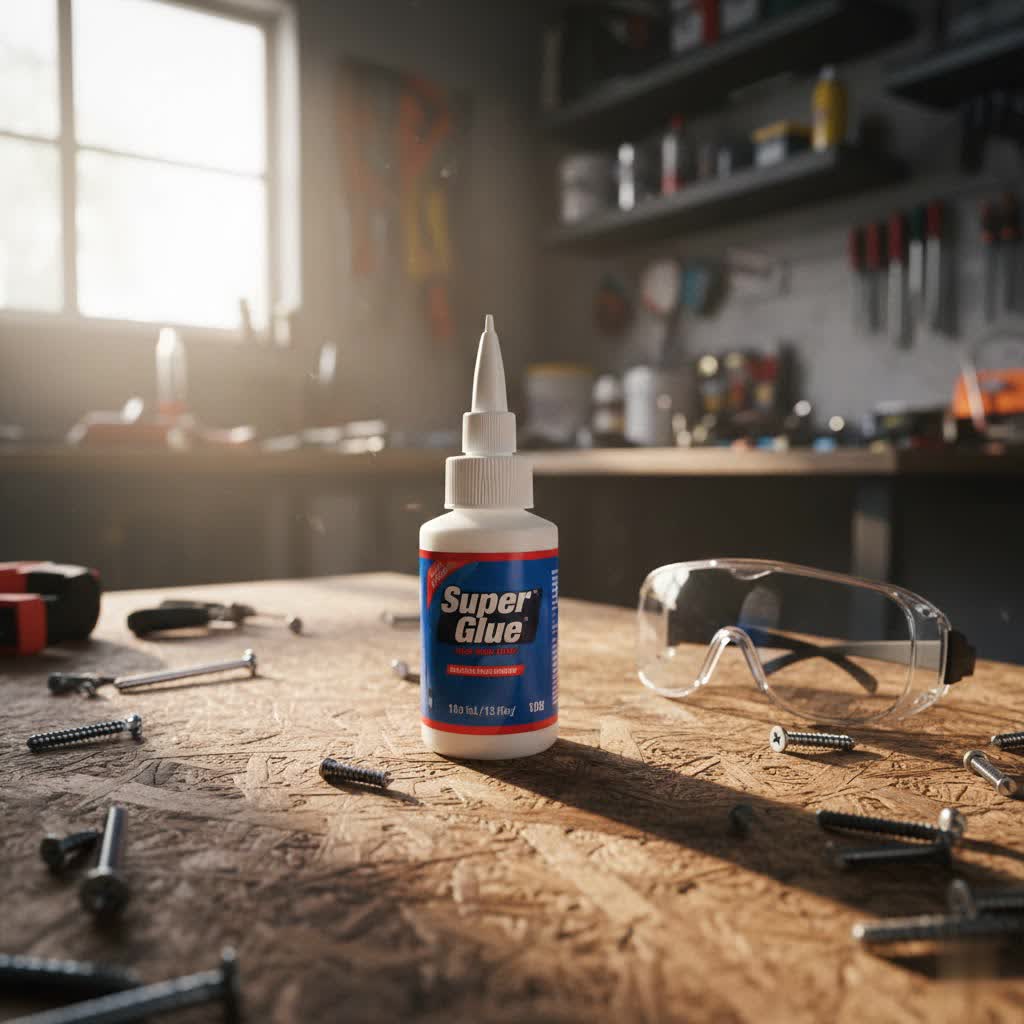
Dental emergencies can be alarming, leaving you searching for a quick fix. In moments of panic, the thought of reaching for a household adhesive like super glue, perhaps even one marketed as “non-toxic,” might cross your mind to repair a chipped tooth, a loose crown, or a broken denture. However, it’s crucial to understand that even products labeled “non-toxic” for general use are never safe or appropriate for oral application. Using any form of super glue on your teeth poses significant health risks and can lead to irreversible damage, making a bad situation much worse. This comprehensive guide will explain why household adhesives are a dangerous myth for dental repair and what safe, effective alternatives truly exist.
Super Glue: Understanding Its Composition and Why It’s NOT for Teeth
Super glue, commonly known as cyanoacrylate adhesive, is a fast-bonding, strong adhesive used for a wide range of household and industrial applications. Its primary active ingredient, cyanoacrylate, reacts with moisture to form a strong, rigid bond. While incredibly effective for many materials, this chemical composition is inherently unsuitable for the dynamic, moist, and biologically sensitive environment of the human mouth.
When used on teeth, super glue can cause a host of problems. It does not bond effectively to the moist surfaces of teeth or gums in a lasting, biocompatible way. Instead, it can trap bacteria, leading to severe infections in the tooth, gum, or even the jawbone. The chemicals can cause irritation, burns to soft tissues, and allergic reactions. Even if a product claims to be “non-toxic” for general skin contact, this does not translate to safety when ingested or applied within the mouth, where it can leach chemicals and interfere with cellular processes.
Decoding “Non-Toxic” Claims: What It Means Outside the Mouth
The term “non-toxic” can be misleading, especially when it comes to products intended for oral use. For household adhesives, “non-toxic” often means that the product is not acutely poisonous if small amounts are accidentally ingested or if it comes into contact with skin for a short period. It generally indicates that the product does not contain certain harmful chemicals in quantities that would cause immediate, severe health issues in general use.
However, this designation rarely applies to internal bodily contact or prolonged exposure to mucous membranes like those in the mouth. Dental materials undergo rigorous testing for biocompatibility, meaning they must be proven safe to interact with living tissues over time without causing adverse reactions, toxicity, or allergic responses. No household super glue, regardless of its “non-toxic” claim for craft or repair purposes, has met these stringent dental safety standards. Relying on such a label for dental applications is a critical misunderstanding of its intended meaning and puts your health at severe risk.
Why Professional Dental Care is Essential for Any Tooth Damage
When it comes to dental injuries or issues like a chipped tooth, a lost filling, or a displaced crown, professional dental care is not just recommended; it is absolutely essential. Dentists possess specialized knowledge, tools, and materials to accurately diagnose the problem and provide a safe, effective, and lasting solution. Trying to fix dental problems at home with non-dental adhesives can lead to:
- Infection: Trapping bacteria under a poorly sealed repair.
- Further Damage: Improper bonding can cause more extensive tooth fractures or damage to surrounding healthy teeth and gums.
- Toxicity: Ingesting harmful chemicals from the glue.
- Delayed Treatment: Masking the problem can delay necessary professional intervention, leading to more complex and costly treatments down the line, potentially even tooth loss.
A dentist can assess the extent of the damage, clean the area thoroughly, and use biocompatible, dental-grade materials that are designed to safely and effectively repair your tooth, restoring its function and aesthetics without compromising your oral health.
Temporary Emergency Fixes: What to Do (and Not Do)
If you experience a dental emergency, your primary goal should be to manage the immediate situation and seek professional dental care as soon as possible. While there are some temporary measures you can take, they never involve using household glues.
First Aid for Dental Emergencies:
|
Our Picks for the Best Super Glue in 2026
As an Amazon Associate I earn from qualifying purchases.
|
||
| Num | Product | Action |
|---|---|---|
| 1 | Super Glue Super Glue 15173-5 Single-use Minis,4 Pack |

|
| 2 | Gorilla Super Glue Gel XL, Clear Glue, 25 Gram (Pack of 1) - All Purpose and Fast Setting for Projects and Repairs |
|
| 3 | Loctite 1363589 4-Gram Bottle Super Glue Ultra Gel Control Adhesive, 3-Pack |
|
| 4 | Loctite Super Glue Ultra Liquid Control, Clear, 0.14 fl oz Bottle, 6 Pack - Superglue for Plastic, Wood, Metal, Crafts & Repair, Cyanoacrylate Adhesive Instant Glue, Quick Dry |
|
| 5 | Loctite Super Glue Ultra Gel Control, 4-Gram Bottle (1739050) (Fоur Paсk) |
|
| 6 | Gorilla Super Glue with Brush & Nozzle Applicator, Clear Glue, 12 Gram (Pack of 1) - All Purpose and Fast Setting for Projects and Repairs |
|
| 7 | Super Glue 15175 Mini Single Use Tubes 5-Pack |
|
| 8 | WoldoClean Super Glue for Metal 25g Extra Strong Metal Glue - for Stainless Steel and Aluminum, Dries Clear, Waterproof and Holds Instantly |
|
| 9 | Bob Smith Industries BSI-157H Maxi Cure/Insta-Set Combo Pack (3 oz. Combined),Clear |
|
| 10 | Krazy Glue Original Adhesive - Super Glue - Precision Tip - Multi-Purpose One Drop Applicator (12) |
|
- Chipped or Broken Tooth: Rinse your mouth with warm water. Apply a cold compress to the outside of your face near the injury to reduce swelling. If you find the broken tooth fragment, keep it in milk or water and bring it to your dentist.
- Lost Filling or Crown: You can temporarily re-seat a crown using dental wax, sugar-free gum, or over-the-counter temporary dental cement available at pharmacies. These are designed for short-term use and are not a permanent solution. Never use super glue.
- Toothache: Rinse your mouth, gently floss to remove any trapped food, and avoid placing aspirin directly on the gums. Take over-the-counter pain relievers if necessary, and contact your dentist immediately.
“In a dental emergency, the most critical step is to contact your dentist immediately. Using household glues, even those labeled ‘non-toxic,’ can turn a fixable problem into a severe infection or permanent damage.” – Dr. Emily Chen, DDS, Oral Health Specialist
The only adhesives that should ever be used for temporary dental repairs at home are those specifically designed and marketed as “temporary dental repair kits” found in pharmacies. These are explicitly formulated to be safe for oral use for a very limited time until you can see a dentist. They are not permanent solutions and do not bond with the strength or longevity of professional dental materials.
Comparing Adhesives: Household vs. Dental-Grade
| Feature | Household Super Glue (Cyanoacrylate) | Dental Adhesives/Cements (Professional Grade) |
|---|---|---|
| Composition | Cyanoacrylate, various additives. | Resins, polymers, glass ionomers, zinc phosphate, specialized bonding agents. |
| Biocompatibility | None for oral use; potentially toxic, irritant. | Rigorously tested and proven safe for contact with oral tissues. |
| Bonding | Strong but brittle; poor bond in moist environments; not flexible. | Formulated for specific dental substrates (enamel, dentin); flexible, durable. |
| Durability | Very poor for oral applications; degrades quickly in saliva. | Designed for long-term wear, resistance to chewing forces, and oral environment. |
| Application | General purpose; not designed for precise dental anatomy or moisture control. | Applied with precise techniques; requires controlled moisture and isolation. |
| Removal | Difficult and damaging to tooth structure if used on teeth. | Can be removed or adjusted by a dentist without damaging surrounding tooth. |
| Cost | Inexpensive. | Significant investment in research, testing, and clinical application. |
Important Considerations When Dealing With Tooth Damage
Always prioritize safety and professional care over quick, unproven home remedies. Your oral health is intricately linked to your overall well-being, and attempting to self-treat dental issues with inappropriate materials can have serious consequences.
- Read Instructions Carefully: For any over-the-counter temporary dental kit, follow the instructions precisely.
- Wear Protection: While these kits are safer, good hygiene and careful application are still important.
- Ventilation: Ensure you’re in a well-ventilated area, even for mild dental products.
- Avoid Contact: Do your best to prevent any temporary materials from touching soft tissues excessively.
- Proper Storage: Keep all dental products (even temporary ones) stored as directed, away from children.
these temporary kits are a stop-gap measure to relieve discomfort or protect the tooth until you can see a dentist. They are not a substitute for professional diagnosis and treatment.
Conclusion
The notion of using “non-toxic super glue for teeth” is a dangerous misconception that puts your oral and overall health at risk. While the desire for a quick fix during a dental emergency is understandable, no household super glue, regardless of its “non-toxic” labeling for other uses, is safe or effective for dental repair. These products can cause severe infections, chemical burns, further tooth damage, and may introduce toxic substances into your body. Always prioritize seeking immediate professional dental care for any tooth damage. Your dentist has the expertise, tools, and biocompatible materials necessary to provide a safe, lasting, and appropriate solution, ensuring your smile remains healthy and strong. Do not compromise your health with risky DIY solutions. When in doubt, call your dentist.
Frequently Asked Questions
Can I use Krazy Glue or Gorilla Glue on my tooth?
Absolutely not. Brands like Krazy Glue and Gorilla Glue are cyanoacrylate-based adhesives designed for household repairs, not for human tissue, especially in the mouth. They are toxic if ingested, can cause chemical burns to soft tissues, and will not properly or safely bond to teeth or dental work.
What happens if I accidentally swallow Super Glue?
If you accidentally swallow a small amount of super glue, it can cause irritation to your mouth, throat, and digestive tract. It typically hardens and passes through the system. However, it’s crucial to contact poison control or seek medical attention immediately, especially if you experience difficulty breathing, severe pain, or if a large amount was ingested.
Are there any glues safe for temporary tooth repair at home?
Only dental-specific, over-the-counter temporary repair kits, usually found in pharmacies, are considered safe for very short-term, temporary use. These are designed to hold a lost filling or crown in place until you can see a dentist. They are not meant for permanent repairs and are distinct from household super glues.
How long can I wait to see a dentist for a chipped tooth?
You should aim to see a dentist as soon as possible after chipping a tooth, ideally within 24-48 hours. Even if there’s no pain, a chipped tooth can expose the inner layers, making it vulnerable to sensitivity, decay, or further damage. Prompt professional assessment is vital.
Get our weekly buyer guide
Practical specs, not advice. Unsubscribe anytime.

Very informative! I’ve seen some questionable advice online, so it’s good to have a clear, concise explanation of why super glue is a dangerous myth for teeth. The part about irreversible damage really hit home. It’s a great reminder that a quick fix isn’t always the right fix when it comes to your health.
While the information about not using super glue for dental repairs is super important, I was hoping for a bit more detail on the safe alternatives. It mentions them but doesn’t really dive deep into what those options are. Still, it’s a good warning about the dangers of trying to fix a loose crown with household adhesives.
I’m so glad I read this before doing something really stupid! I had a chipped tooth and was seriously considering using some super glue I had in the drawer, thinking ‘non-toxic’ meant it was fine. This guide really laid out why cyanoacrylate adhesive is a terrible idea for anything in your mouth. It saved me a lot of pain and a much bigger dental bill.
This was such a necessary read! It’s easy to panic during a dental emergency and grab whatever’s handy. The explanation of why even ‘non-toxic’ super glues are dangerous for oral application was really clear. I’ll definitely be sharing this with friends and family to prevent them from making a risky mistake with a broken denture.