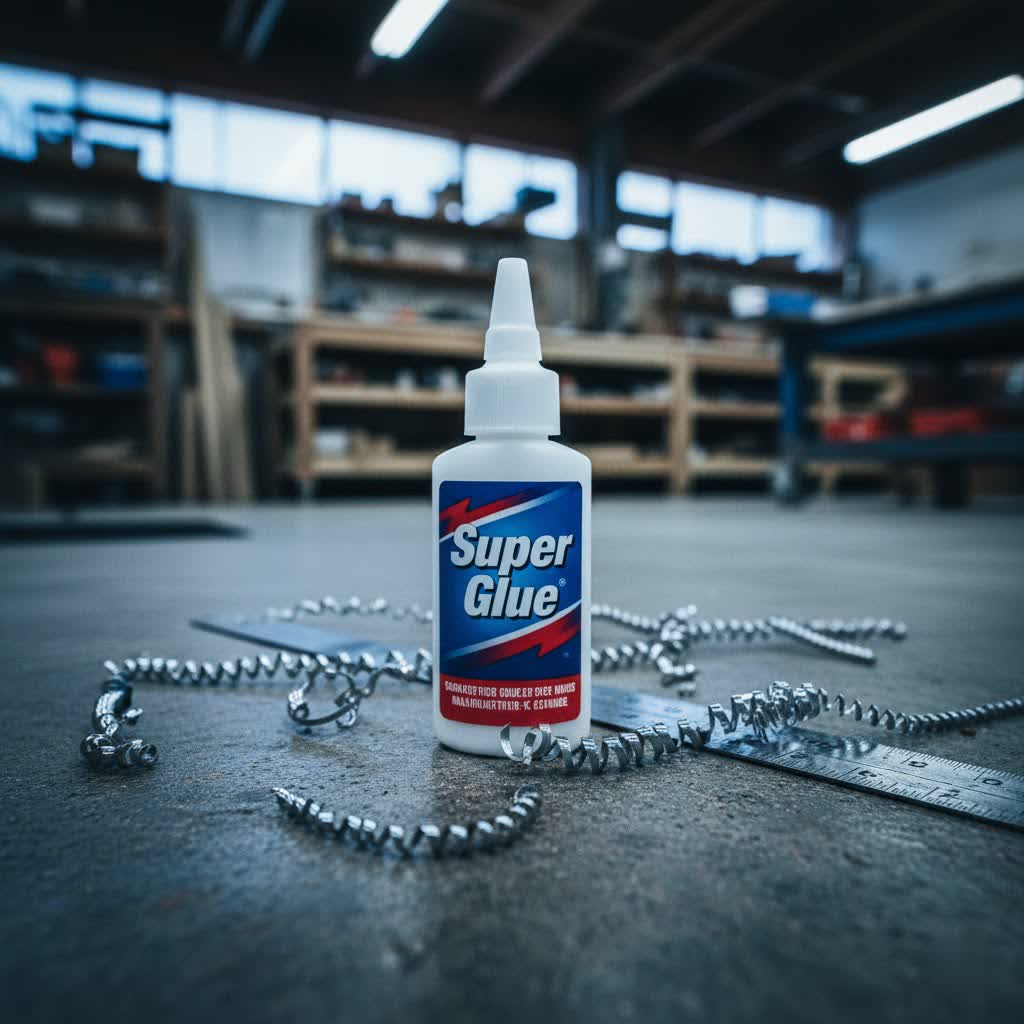
As a seasoned technician with a decade of specialized experience in adhesives, particularly Super Glue, I’ve seen firsthand how this powerful bonding agent can revolutionize woodworking. Often underestimated or misunderstood, super glue, scientifically known as cyanoacrylate (CA) adhesive, is far more than just a quick fix. It’s a versatile tool that, when wielded correctly, can improve your woodworking projects, offering speed, precision, and unique solutions that traditional wood glues simply cannot.
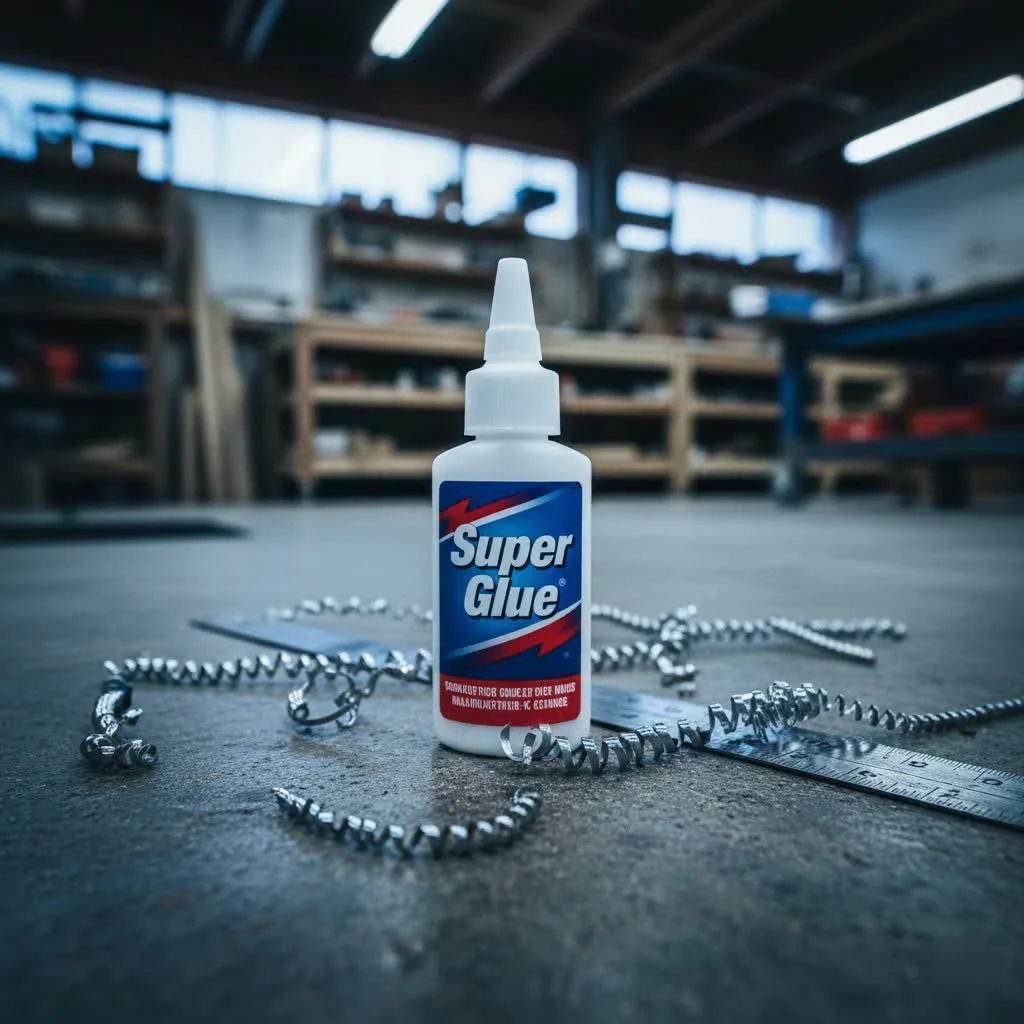
This guide will demystify super glue for woodworking, examine its composition, diverse applications, various types, and crucial safety measures. You’ll learn how to select the ideal super glue for specific tasks, master effective application techniques, and understand its strengths and limitations compared to other woodworking adhesives. Get ready to improve your approach to bonding and achieve professional-grade results in your workshop. For browse all super glue articles on this site.
Understanding Super Glue (CA Glue) in Woodworking
Super glue, or CA glue, is a fast-drying, clear adhesive composed primarily of cyanoacrylate esters. Unlike many glues that dry by evaporation, CA glue cures rapidly through a chemical reaction initiated by moisture – even the ambient humidity in the air or on the material surface is enough. This quick-setting property is why it has become such a major upgrade for woodworkers, offering an instant bond where clamping might be impractical or time-consuming.
Its utility in the woodshop is extensive. CA glue excels in providing rapid, strong bonds for small repairs, holding delicate pieces in place, or even acting as a temporary clamp while slower-setting traditional wood glues cure. It’s perfect for intricate inlay work, securing splintered wood, filling minor cracks and voids, or stabilizing soft areas in figured wood. From attaching small components to providing a durable finish on turnings, CA glue serves as an indispensable problem-solver that significantly streamlines many woodworking processes.
The Different Types of Super Glue (Viscosities & Formulations)
Super glue isn’t a one-size-fits-all product; it comes in various viscosities, each suited for different woodworking applications. Understanding these differences is key to achieving optimal results.
Thin Viscosity CA Glue
Thin CA glue has a water-like consistency, allowing it to wick deeply into tight-fitting joints and hairline cracks. It is ideal for:
- Hairline cracks: Penetrates deeply to stabilize and fill minute imperfections.
- Stabilizing soft wood: Soaks into spalted or punky wood to harden fibers and prevent further deterioration.
- Pre-treating end grain: Can be used as a pre-sealer before staining to prevent excessive absorption.
- Securing components: Excellent for bonding parts that fit perfectly, requiring minimal gap filling.
Medium Viscosity CA Glue
|
Our Picks for the Best Super Glue in 2026
As an Amazon Associate I earn from qualifying purchases.
|
||
| Num | Product | Action |
|---|---|---|
| 1 | Gorilla Super Glue with Brush & Nozzle Applicator, Clear Glue, 12 Gram (Pack of 1) - All Purpose and Fast Setting for Projects and Repairs |

|
| 2 | Super Glue Super Glue 15173-5 Single-use Minis,4 Pack |
|
| 3 | WoldoClean Super Glue for Metal 25g Extra Strong Metal Glue - for Stainless Steel and Aluminum, Dries Clear, Waterproof and Holds Instantly |
|
| 4 | Super Glue 15175 Mini Single Use Tubes 5-Pack |
|
| 5 | Loctite Super Glue Ultra Gel Control, 4-Gram Bottle (1739050) (Fоur Paсk) |
|
| 6 | Loctite Super Glue Ultra Liquid Control, Clear, 0.14 fl oz Bottle, 6 Pack - Superglue for Plastic, Wood, Metal, Crafts & Repair, Cyanoacrylate Adhesive Instant Glue, Quick Dry |
|
| 7 | Bob Smith Industries BSI-157H Maxi Cure/Insta-Set Combo Pack (3 oz. Combined),Clear |
|
| 8 | Loctite 1363589 4-Gram Bottle Super Glue Ultra Gel Control Adhesive, 3-Pack |
|
| 9 | Krazy Glue Original Adhesive - Super Glue - Precision Tip - Multi-Purpose One Drop Applicator (12) |
|
| 10 | Gorilla Super Glue Gel XL, Clear Glue, 25 Gram (Pack of 1) - All Purpose and Fast Setting for Projects and Repairs |
|
Often considered the all-purpose choice, medium CA glue offers a balanced flow that makes it incredibly versatile for general bonding and small gap filling. It strikes a good balance between penetration and control, making it a staple for:
- General bonding: Suitable for most everyday woodworking tasks, offering a strong, reliable connection.
- Small gaps and inlay work: Can fill slightly larger imperfections than thin CA and is effective for bonding inlay materials like shell or stone to wood.
- Temporary clamping: Holds pieces together instantly, freeing your hands to apply traditional clamps or allow other glues to set.
Thick/Gel Viscosity CA Glue
Thick or gel CA glue has the slowest setting time and a high viscosity, meaning it’s less likely to run or drip. This makes it perfect for applications requiring more control or significant gap filling:
- Larger voids and knots: Effectively fills bigger imperfections, especially when mixed with sawdust or mica powder for a natural look.
- Non-porous materials: Its slower cure time and thicker consistency make it suitable for bonding less porous materials like metal or glass to wood.
- Vertical applications: Stays where you put it, preventing drips on upright surfaces.
Specialized CA Glues
Beyond viscosity, you can find specialized formulations:
- Colored CA Glues: Available in shades like black or brown, these are excellent for filling knots and voids, blending seamlessly with darker woods.
- Rubber-Toughened CA Glues: These glues include rubber particles that increase flexibility and impact resistance, making the cured bond less brittle than standard CA glue.
Super Glue vs. Traditional Wood Glues (PVA & Epoxy)
While super glue is incredibly useful, it’s essential to understand its role relative to other common woodworking adhesives like PVA (Polyvinyl Acetate) and epoxy. Each has distinct properties that make it suitable for different tasks.
| Feature | Super Glue (CA) | PVA Wood Glue (e.g., Titebond) | Epoxy |
|---|---|---|---|
| Composition | Cyanoacrylate esters | Polyvinyl Acetate | Resin & Hardener |
| Bonding Speed | Seconds to minutes (instant with activator) | 10-20 minutes working time; 24h full cure | Hours to days for full cure |
| Bond Strength | Strong initial bond; brittle when cured | Very strong, often stronger than wood itself | Extremely strong, fills gaps, structural |
| Flexibility | Rigid/brittle (standard CA); some flexible types | Flexible once cured | Rigid or slightly flexible, depending on type |
| Gap Filling | Good (especially thick/gel viscosities) | Poor; requires tight-fitting joints | Excellent; designed for gap filling |
| Working Time | Very short | Ample (10-20 minutes) | Long (minutes to hours) |
| Clamping | Often not required (especially with activator) | Essential for strong, reliable bonds | Often required for initial set, then optional |
| Water Resistance | Waterproof once cured | Varies (Type I/II/III) | Excellent, waterproof |
| Cleanup | Acetone/de-bonder; hard when dry | Water when wet; scrapes off when dry | Solvents when wet; difficult when cured |
| Best Use Cases | Small repairs, temporary holds, inlay, crack fills, finishes | General joinery, furniture, structural bonds | Heavy-duty repairs, filling large voids, marine projects |
When to choose CA glue: Opt for CA glue when you need an immediate bond, are working with small or intricate pieces, or require a temporary hold before applying a more robust, slower-setting adhesive. It’s also excellent for cosmetic repairs and stabilizing fragile wood.
When to choose PVA or Epoxy: For major structural joints, large panel glue-ups, or projects requiring significant flexibility and long-term durability, traditional PVA wood glues are superior. Epoxy is your go-to for heavy-duty repairs, filling large gaps, or bonding dissimilar materials where ultimate strength and waterproof properties are paramount. CA glue can also be used in conjunction with PVA glues as a “clamping aid” to hold parts together instantly while the PVA cures.
Essential Tips for Using Super Glue Safely and Effectively
Maximizing the benefits of super glue in woodworking requires adherence to specific techniques and safety protocols.
Surface Preparation
Always start with clean, dry, and dust-free surfaces. Any contaminants can hinder the adhesive’s ability to form a strong bond. Lightly sanding the surfaces can also create a better mechanical key for the glue.
Application Techniques
- Less is More: Apply CA glue sparingly. Using too much can actually weaken the bond and extend cure time. A few drops are usually sufficient.
- Using an Activator/Accelerator: For instant setting, especially with thicker viscosities or when filling voids, an activator spray is invaluable. Apply the glue to one surface, then spray the activator on the other (or directly onto the glue after assembly) and press the pieces together.
- Layering for Void Fills: When filling larger cracks or knots, apply CA glue in thin layers, curing each layer with an accelerator. This prevents excessive heat buildup and ensures a thorough cure, leading to a stronger, more sandable fill.
- Temporary Clamping Aid: Apply small dots of CA glue to strategic points on a joint, then apply your main PVA wood glue. The CA glue holds the pieces instantly, allowing you to remove clamps or adjust alignment while the PVA sets.
Handling & Drying
CA glue bonds almost instantly, reducing or eliminating the need for clamps in many situations. Hold the pieces firmly together for a few seconds until the bond takes hold. Full cure strength is usually achieved within a few minutes to an hour, depending on the glue’s viscosity and environmental conditions.
Finishing & Sanding
Be cautious when sanding cured CA glue. It can be significantly harder than wood, leading to “gullies” or depressions around the glue line if sanded too aggressively. Use finer grits and light pressure, or consider using colored CA glues that blend with the wood color to minimize visibility.
Cleanup & Debonding
If you get CA glue where it doesn’t belong, work quickly. Acetone (found in most nail polish removers) or a specialized CA de-bonder can dissolve uncured or freshly cured glue. Always test on a scrap piece first, as acetone can damage some finishes. For dried glue, careful scraping or sanding may be necessary.
Choosing the Right Super Glue for Your Woodworking Projects (Buying Guide)
Selecting the best super glue involves matching the product to your specific project needs. Here’s what to consider:
- Determine Your Primary Need: Are you filling hairline cracks, bonding small parts, making temporary jigs, or finishing a turning? Your application will dictate the ideal viscosity.
- Viscosity is Key: As discussed, thin glues penetrate, medium glues offer general purpose bonding, and thick/gel glues excel at gap filling.
- Consider an Activator: Many quality CA glues are sold with or recommend an accelerator. This significantly speeds up curing, which is a major advantage in woodworking.
- Brand Reputation: Stick with reputable brands known for quality adhesives. Look for those specifically marketed towards woodworkers.
- Read Reviews: Online reviews from other woodworkers can provide valuable insights into real-world performance.
- Check Shelf Life and Storage: Some brands offer longer shelf lives, and proper storage (cool, dry place, often refrigerated) can extend their usability significantly.
Top Super Glue Brands for Woodworking
Several brands have earned their place in woodworking shops for their reliable CA glue offerings:
- Starbond: Widely praised by professionals and hobbyists alike, Starbond offers a comprehensive range of CA glues in various viscosities (thin, medium, thick) and even specialized colors like black and brown. Their formulas are known for strong bonds and good shelf life when stored properly.
- FastCap 2P-10: This popular two-part system provides an exceptionally fast and strong bond, curing in as little as 10 seconds with its activator. It’s a favorite for its sheer speed and reliable hold, often praised for saving clamping time on projects.
- MITREAPEL: Another strong contender, MITREAPEL offers CA glue with activator systems designed for fast and strong bonds across a variety of materials, including wood. Users appreciate its ease of use and professional finish.
- Titebond Instant Bond: From a trusted name in woodworking glues, Titebond’s Instant Bond CA adhesive also comes with an activator and is available in multiple viscosities, specifically formulated for wood and wood products.
- Gorilla Super Glue Gel: While standard Gorilla Super Glue can be brittle, the gel formula offers better control and some impact resistance due to rubber particles, making it a viable option for certain quick repairs in woodworking.
When choosing, it’s generally best to avoid generic “super glue” brands like Loctite Super Glue or Krazy Glue for primary woodworking tasks. While they bond wood, they often lack the specialized flexibility, sandability, and long-term performance tailored for wood compared to dedicated CA formulations or traditional wood glues.
Important Safety Considerations
Working with super glue requires attention to safety to protect yourself and ensure proper application.
- Ventilation: Always work in a well-ventilated area. CA glue fumes can be irritating to the eyes, nose, and throat.
- Personal Protective Equipment (PPE): Wear safety goggles to protect your eyes from splashes or fumes. Nitrile gloves are essential to prevent skin bonding. A respirator can further protect against fume inhalation, especially in enclosed spaces or during prolonged use.
- Skin Contact: If super glue gets on your skin, do not force it apart. Use acetone (nail polish remover) to slowly dissolve the bond. Apply liberally and gently peel the skin.
- Eye Contact: This is a medical emergency. Rinse your eyes immediately with plenty of water and seek prompt medical attention.
- Activator Use: Be aware that activators can generate heat when reacting with CA glue. Follow manufacturer instructions carefully to avoid burns.
- Storage: Store super glue in a cool, dry place, away from direct sunlight and heat sources. Refrigeration can significantly extend its shelf life. Always keep it out of reach of children and pets.
Conclusion
Super glue, in its various cyanoacrylate forms, is an invaluable asset in the modern woodworker’s arsenal. From its remarkable speed and versatility in minor repairs and intricate detailing to its role as a clamping aid for larger assemblies, understanding and applying CA glue effectively can dramatically enhance your craftsmanship and efficiency. While it may not replace traditional wood glues for every joint, its unique properties make it an indispensable problem-solver.
By carefully selecting the right viscosity, utilizing activators, and practicing safe application, you can unlock the full potential of super glue in your workshop. Embrace this powerful adhesive, experiment with its diverse applications, and watch your woodworking projects reach new levels of precision and finish. How will you integrate the speed and strength of super glue into your next woodworking masterpiece?
Frequently Asked Questions
Is super glue strong enough for all woodworking?
No, while super glue provides a strong, fast bond, it is generally brittle and not ideal for large, load-bearing, or structural joints where traditional wood glues (like PVA) or epoxy offer superior long-term strength and flexibility. It excels in small repairs, temporary holds, and detailed work.
Can I use super glue with an activator?
Absolutely! Using a CA glue activator (accelerator) is highly recommended in woodworking. It significantly speeds up the curing process, allowing the glue to set almost instantly, which is perfect for quick bonds, filling gaps in layers, and reducing clamping time.
How do I remove super glue from wood or skin?
For skin, gently apply acetone (found in most nail polish removers) and slowly peel the skin apart. For wood, fresh glue can sometimes be wiped away with acetone, but for cured glue, careful scraping or sanding may be required. Always test acetone on an inconspicuous area of the wood first.
What’s the shelf life of CA glue?
The shelf life of CA glue varies by brand and formulation, typically ranging from 12 to 30 months for unopened bottles. Once opened, it can be shorter. Storing CA glue in a cool, dry place, ideally refrigerated, can significantly extend its usability by slowing down the curing process.
Get our weekly buyer guide
Practical specs, not advice. Unsubscribe anytime.

I’ve always used traditional wood glue, but after reading about the speed and precision of CA adhesive, I decided to give it a try for some small trim pieces. What a game changer! It really does offer unique solutions for quick fixes and holding things in place while the main glue sets. My projects are definitely benefiting from this new approach.
This guide really helped me understand the different types of super glue. I used to just grab whatever was on sale, but now I know to look for specific formulations for my woodworking projects. The section on application techniques was super helpful too; I’m getting much cleaner bonds now. Definitely improved my results.
I tried using super glue for a larger joint, hoping for that quick bond, but it just didn’t hold up as well as I expected. While it’s great for small, precise tasks, I think I’ll stick to my regular wood glue for anything structural. The safety measures section was good though, always important to be careful with these strong adhesives.
I’ve been looking for ways to speed up my smaller woodworking projects, and the info on cyanoacrylate adhesive was exactly what I needed. It’s fantastic for holding intricate pieces together while clamps are being set or for quick repairs. I appreciate knowing its strengths and limitations compared to other glues, which helps me choose the right product every time.