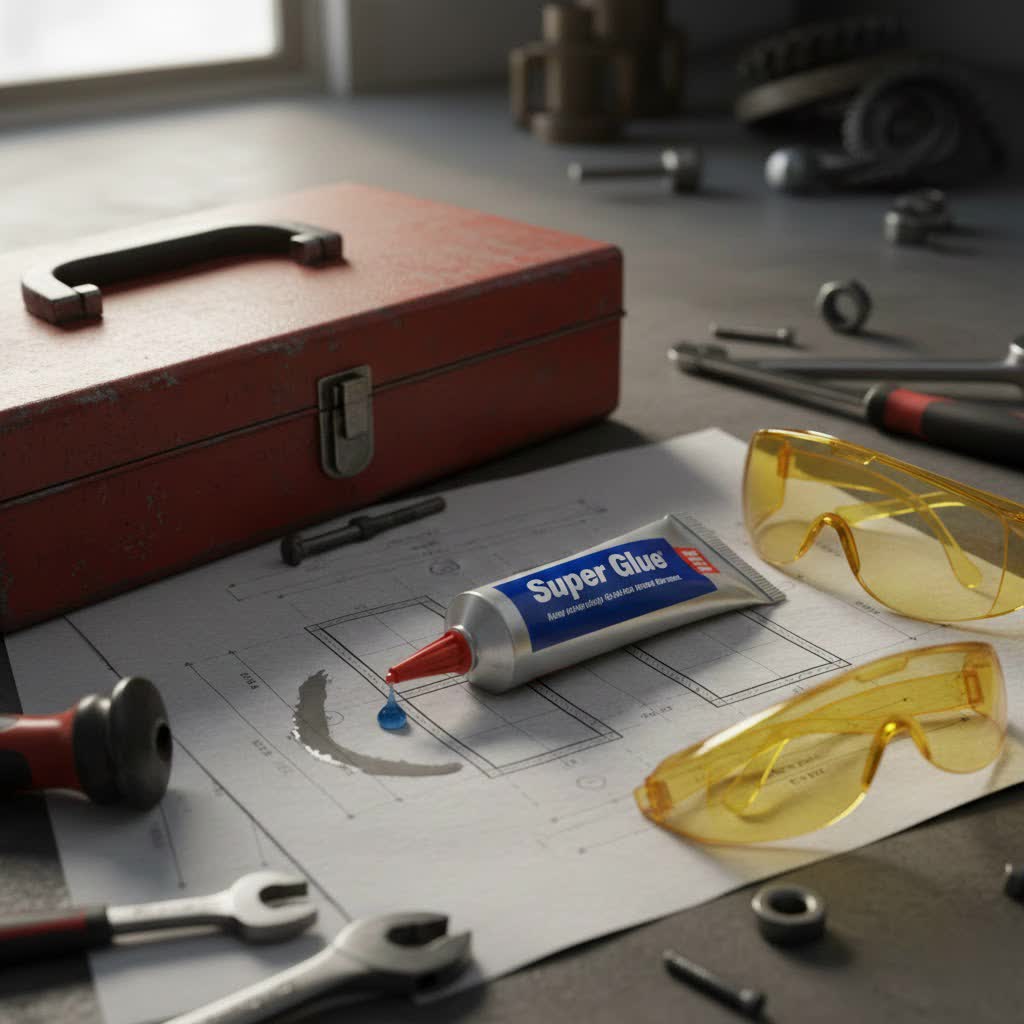
Bringing your 3D printed creations to life often involves assembling multiple parts, and choosing the right adhesive is paramount for a successful outcome. Have you ever spent hours printing a complex model, only for the final assembly to fall short due to a weak bond? Super glue, scientifically known as cyanoacrylate (CA) adhesive, stands out as a go-to solution for many 3D printing enthusiasts. With its rapid bonding capabilities and robust strength, it can transform separate pieces into a seamless, durable whole. This comprehensive guide will delve into everything you need to know about using super glue for your 3D prints, from understanding its properties to mastering application techniques and ensuring safe use.
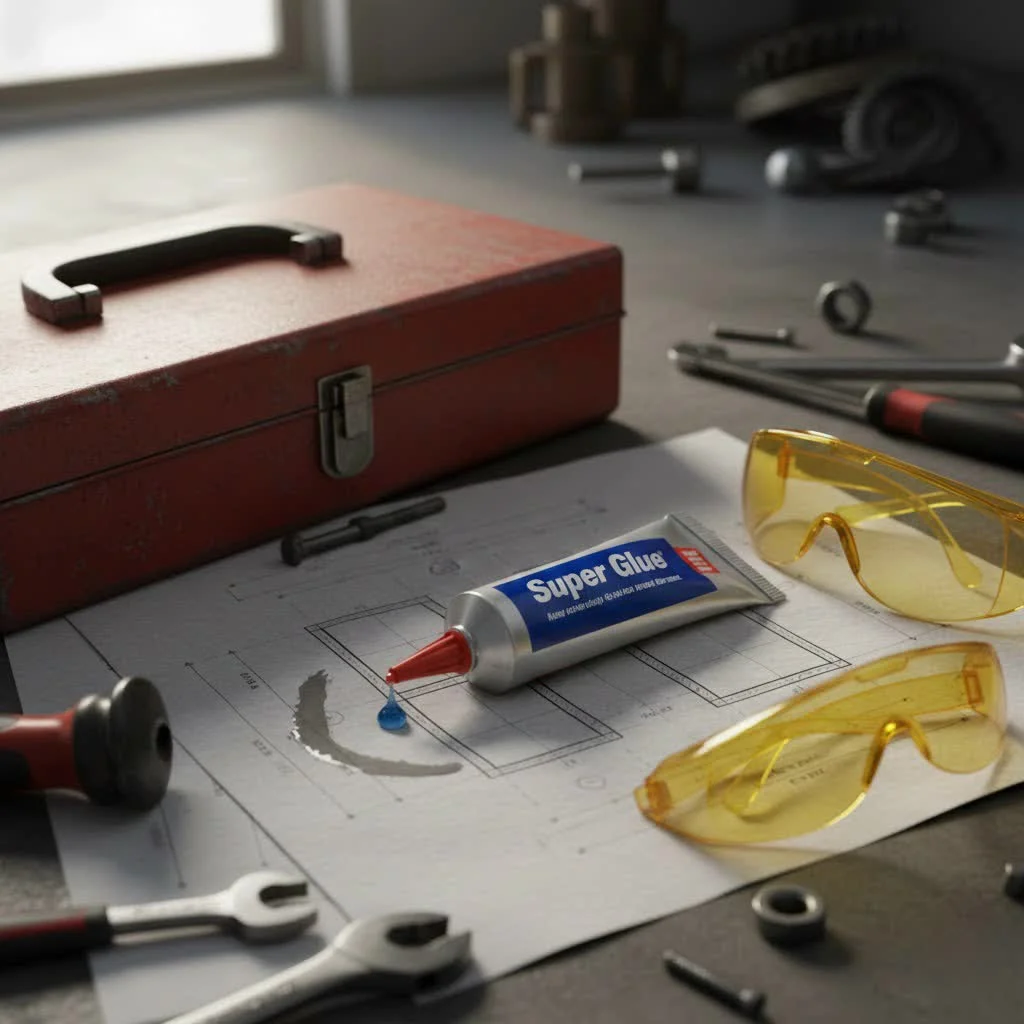
Super Glue for 3D Prints: An Overview
Super glue, or cyanoacrylate (CA) adhesive, is a fast-acting adhesive that forms a strong bond through a chemical reaction with moisture. For 3D printing, it’s widely recognized as an effective and convenient option for joining parts, particularly those made from common filaments like PLA. Its popularity stems from its ease of use, quick setting time, and the ability to create nearly invisible seams when applied correctly.
Often, the printed material itself, such as PLA, will break before the super glue bond fails, demonstrating its impressive strength for many applications. [cite: 1 (MakerBuildIt), 2 (Instructables)] While ideal for quick and straightforward bonds, it’s important to note that the resulting bond can be rigid and brittle. This characteristic means super glue is generally not recommended for bonding flexible 3D printing materials, as the inflexible glue layer may crack under stress. [cite: 1 (All3DP), 2 (Snapmaker)]
Types of Super Glue for 3D Printing
Super glues come in various formulations, each offering distinct advantages for 3D printing projects. Understanding these differences can significantly impact your bonding success.
Liquid Super Glue
Traditional liquid super glues are known for their very thin consistency, which allows them to penetrate tight-fitting joints and form strong bonds quickly. They are excellent for precise applications where minimal adhesive is needed and parts fit together perfectly. However, their low viscosity means they can run easily, making them challenging to control and less forgiving if misapplied.
Gel Super Glue
Gel-type super glues offer a thicker consistency, providing greater control during application. This viscosity prevents dripping and running, which is particularly beneficial when working on vertical surfaces or parts that require more precise placement. Gel formulations also have minor gap-filling capabilities, making them suitable for parts with slight imperfections in their mating surfaces. Many experts recommend a gel-type cyanoacrylate for most PLA projects due to its reliability and efficiency. [cite: 2 (Snapmaker)] Brands like Loctite Super Glue Gel Control and Gorilla Super Glue Gel are popular choices in the 3D printing community. [cite: 3 (Reddit), 5 (YouTube)]
Specialized CA Formulations
|
Our Picks for the Best Super Glue in 2026
As an Amazon Associate I earn from qualifying purchases.
|
||
| Num | Product | Action |
|---|---|---|
| 1 | Gorilla Super Glue Gel XL, Clear Glue, 25 Gram (Pack of 1) - All Purpose and Fast Setting for Projects and Repairs |

|
| 2 | Bob Smith Industries BSI-157H Maxi Cure/Insta-Set Combo Pack (3 oz. Combined),Clear |
|
| 3 | WoldoClean Super Glue for Metal 25g Extra Strong Metal Glue - for Stainless Steel and Aluminum, Dries Clear, Waterproof and Holds Instantly |
|
| 4 | Loctite 1363589 4-Gram Bottle Super Glue Ultra Gel Control Adhesive, 3-Pack |
|
| 5 | Loctite Super Glue Ultra Liquid Control, Clear, 0.14 fl oz Bottle, 6 Pack - Superglue for Plastic, Wood, Metal, Crafts & Repair, Cyanoacrylate Adhesive Instant Glue, Quick Dry |
|
| 6 | Gorilla Super Glue with Brush & Nozzle Applicator, Clear Glue, 12 Gram (Pack of 1) - All Purpose and Fast Setting for Projects and Repairs |
|
| 7 | Super Glue Super Glue 15173-5 Single-use Minis,4 Pack |
|
| 8 | Krazy Glue Original Adhesive - Super Glue - Precision Tip - Multi-Purpose One Drop Applicator (12) |
|
| 9 | Loctite Super Glue Ultra Gel Control, 4-Gram Bottle (1739050) (Fоur Paсk) |
|
| 10 | Super Glue 15175 Mini Single Use Tubes 5-Pack |
|
Some super glues are enhanced with additives like rubber particles, which improve their impact resistance and flexibility once cured. While not as flexible as true flexible adhesives, these toughened CA glues can offer a slightly less brittle bond, which might be advantageous for parts subjected to minor impacts or vibrations.
Comparing Adhesives: Super Glue vs. Other Options for 3D Prints
While super glue is excellent for many applications, it’s not the only option, and sometimes, other adhesives might be more suitable depending on the specific filament and project requirements.
| Adhesive Type | Pros | Cons | Ideal Use Case |
|---|---|---|---|
| Super Glue (CA) | Fast setting, strong bond, invisible seam | Brittle bond, not for flexible materials, can “frost” prints, less gap-filling | Quick assembly of rigid parts (PLA, PETG, ABS), aesthetic models |
| Two-Part Epoxy | Extremely strong, durable, excellent gap-filling | Longer cure time, messy to mix, visible bond line if not carefully applied | High-strength functional parts, assemblies needing mechanical stress |
| 3D Gloop / Plastic Welders | Chemically bonds for very strong joints (3D Gloop), blends with material (welding) | 3D Gloop can be expensive/hazardous; plastic welding can leave visible seams, requires practice | Maximum strength for specific filaments, aesthetic blending/finishing |
| Solvent Welding | Very strong, effectively fuses parts | Material-specific (e.g., Acetone for ABS), hazardous fumes, can deform prints if overused | Bonding specific plastics (e.g., ABS, HIPS) for a near-seamless weld |
| E6000 Adhesive | Flexible, strong, good for multi-material bonds | Very long cure time, thick consistency, can be messy | Flexible materials (TPU/TPE), projects needing vibration dampening or give |
| Hot Glue | Fast, temporary, easy to remove | Very weak bond, visible, prone to failure under stress, can melt thin plastic | Temporary holding, quick mock-ups, non-structural bonds |
For functional parts that demand high mechanical strength, a two-part epoxy is generally the superior choice, offering a more durable bond than CA glue. [cite: 2 (Snapmaker)] Other alternatives like 3D Gloop and plastic welding with a 3D pen or soldering iron also provide exceptionally strong bonds, often fusing the plastic more completely. [cite: 2 (Kingroon), 3 (Reddit), 4 (YouTube)]
Mastering Super Glue Application for 3D Prints
Achieving a strong, clean bond with super glue involves careful preparation and precise application.
Preparation is Key
Before applying any adhesive, ensure your 3D printed parts are clean and properly prepared.
- Clean Surfaces: Remove any dust, loose particles, oils, or grease from the bonding surfaces. A wipe with isopropyl alcohol and allowing it to dry completely is highly recommended. [cite: 1 (All3DP)]
- Sand for Adhesion: If the surfaces are exceptionally smooth, shiny (like a bed-side surface), or uneven, gently rough them up with fine-grit sandpaper (e.g., 220-400 grit). This creates microscopic scratches that the glue can grip onto, significantly improving adhesion. [cite: 1 (All3DP), 4 (Reddit)] After sanding, clean the dust away.
Application Techniques
Less is often more when it comes to super glue.
- Thin, Even Layer: Apply a very thin, even layer of super glue to one of the surfaces. Using too much glue can prolong the curing time, lead to messy overflow, and potentially weaken the bond. [cite: 3 (YouTube), 3 (Reddit)]
- Align and Press: Carefully align your parts before pressing them together, as super glue sets quickly and allows little room for adjustment. Once aligned, press the parts firmly together and hold for 10-30 seconds. [cite: 5 (JLC3DP)]
- Curing Time: While super glue sets rapidly, achieving a full cure typically takes longer, often up to 24 hours. Avoid applying significant stress or pressure to the bonded parts during this full curing period. [cite: 3 (YouTube), 3 (Reddit)] Humidity plays a role in curing; very dry environments might slow down the process.
Advanced Tips for Optimal Results
- Activators (Accelerators): CA activators can drastically speed up the curing process, creating an instant bond. However, use them cautiously, especially on thin parts, as the exothermic reaction can generate heat and potentially melt or deform the plastic. [cite: 3 (Reddit)]
- Baking Soda Trick: For filling small gaps or adding extra strength, apply a thin layer of super glue, then sprinkle baking soda over it. The baking soda reacts with the CA glue to create an instant, hard filler that can then be sanded and painted. This technique is known for creating very strong bonds. [cite: 4 (Reddit)]
“The secret to super glue’s strength on 3D prints isn’t brute force, but precision. A perfectly prepared surface and a minimal, even application will almost always yield a bond stronger than the plastic itself.” – Dr. Alistair Vance, Materials Science Engineer specializing in Polymer Adhesives
Choosing the Right Super Glue for Your 3D Printing Project
Selecting the best super glue involves considering a few key factors to match the adhesive to your specific needs.
1. Consider Filament Type
Super glue generally works well with common FDM filaments like PLA, PETG, and ABS. However, it is not suitable for flexible materials such as TPU or TPE, which require adhesives like E6000 that maintain flexibility after curing. For ABS, solvent welding with acetone can also achieve an incredibly strong bond by chemically fusing the plastic.
2. Project Requirements
- Strength: For models that will undergo significant stress, consider a high-strength CA glue, or supplement with the baking soda trick. For extremely high-stress or functional parts, epoxy or plastic welding might be better.
- Aesthetics: Super glue provides a clean, often invisible bond. Be mindful of “frosting” or “blooming” – a white residue caused by CA fumes curing in the air. Working in a well-ventilated area can help prevent this. [cite: 2 (Snapmaker)]
- Gap Filling: If your parts have small gaps, a gel-type super glue is preferable due to its thicker consistency. For larger gaps, epoxy or the baking soda method with super glue is more effective.
3. Viscosity
Choose between liquid and gel based on the fit and complexity of your parts. Liquid CA is for very tight, precise fits, while gel offers better control and minor gap-filling for less perfect alignments.
4. Brand Reputation
Reputable brands often provide more consistent quality and better performance. Look for brands frequently recommended by the 3D printing community, such as Loctite, Gorilla Super Glue Gel, and Starbond, which offer various viscosities and specialized formulations. [cite: 3 (Reddit), 5 (YouTube)]
Important Safety Precautions When Using Super Glue
Super glue, while effective, contains powerful chemicals. Adhering to safety guidelines is crucial to prevent accidents and exposure.
- Read Instructions: Always thoroughly read and understand the manufacturer’s instructions and safety data sheet before using any super glue.
- Ventilation: Work in a well-ventilated area to minimize inhalation of fumes, which can cause irritation and contribute to “frosting” on your prints.
- Eye Protection: Wear safety glasses or goggles to protect your eyes from accidental splashes or fumes.
- Skin Protection: Wear gloves (nitrile or latex are often suitable) to prevent direct skin contact. Super glue bonds skin almost instantly.
- First Aid for Skin Contact: If super glue gets on your skin, do not try to pull the bonded skin apart. Gently peel it using acetone-based nail polish remover or warm soapy water. Apply lotion to help separate the skin. Seek medical attention if a large area is bonded or if you experience irritation.
- First Aid for Eye Contact: Immediately flush eyes with plenty of water for at least 15 minutes and seek immediate medical attention. Do not try to force your eyelids open.
- Storage: Store super glue in a cool, dry place, away from direct sunlight and out of reach of children and pets. Proper storage can extend its shelf life, as CA glue degrades quickly once opened, especially if exposed to moisture. [cite: 3 (Reddit)]
Conclusion
Super glue is an indispensable tool in the 3D printing arsenal, offering fast, strong, and aesthetically pleasing bonds for a wide array of projects. By understanding the different types of cyanoacrylate adhesives, meticulously preparing your surfaces, and applying the glue with precision and care, you can achieve professional-grade results that elevate the quality and durability of your 3D prints. Remember to consider your specific filament, project requirements, and always prioritize safety during application.
What hidden gems or unique challenges have you encountered when using super glue for your 3D printing masterpieces?
Frequently Asked Questions
What type of super glue is best for PLA 3D prints?
For most PLA projects, a gel-type cyanoacrylate (CA) adhesive is highly recommended. Its thicker consistency provides excellent control, prevents dripping, and can fill minor gaps, ensuring a strong and clean bond. Brands like Loctite Super Glue Gel Control are particularly popular. [cite: 2 (Snapmaker)]
How can I prevent “frosting” or white residue when using super glue on 3D prints?
“Frosting,” also known as “blooming,” is caused by super glue fumes reacting with moisture in the air and curing on the surface of your print. To prevent this, always work in a well-ventilated area and use only a thin layer of glue. Applying an accelerator can also sometimes minimize frosting by speeding up the cure. [cite: 2 (Snapmaker)]
Can super glue bond flexible 3D printed materials like TPU?
No, super glue forms a rigid bond that is prone to cracking when applied to flexible materials like TPU or TPE. For these materials, adhesives designed for flexibility, such as E6000, are a much better choice as they maintain their elasticity after curing, allowing the parts to flex without breaking the bond.
How long does super glue take to fully cure on 3D prints?
While super glue sets very quickly, often within seconds to a minute, it typically requires a full 24 hours to achieve its maximum strength and full cure. It is best to avoid putting significant stress or pressure on your bonded 3D prints during this entire curing period to ensure the strongest possible adhesion. [cite: 3 (YouTube), 3 (Reddit)]
Is sanding necessary before gluing 3D prints with super glue?
Sanding the bonding surfaces with fine-grit sandpaper (e.g., 220-400 grit) is highly recommended, especially for very smooth surfaces like those from the print bed. Roughening the surface creates micro-abrasions that improve mechanical adhesion, allowing the super glue to form a stronger, more reliable bond with the plastic.
Get our weekly buyer guide
Practical specs, not advice. Unsubscribe anytime.
