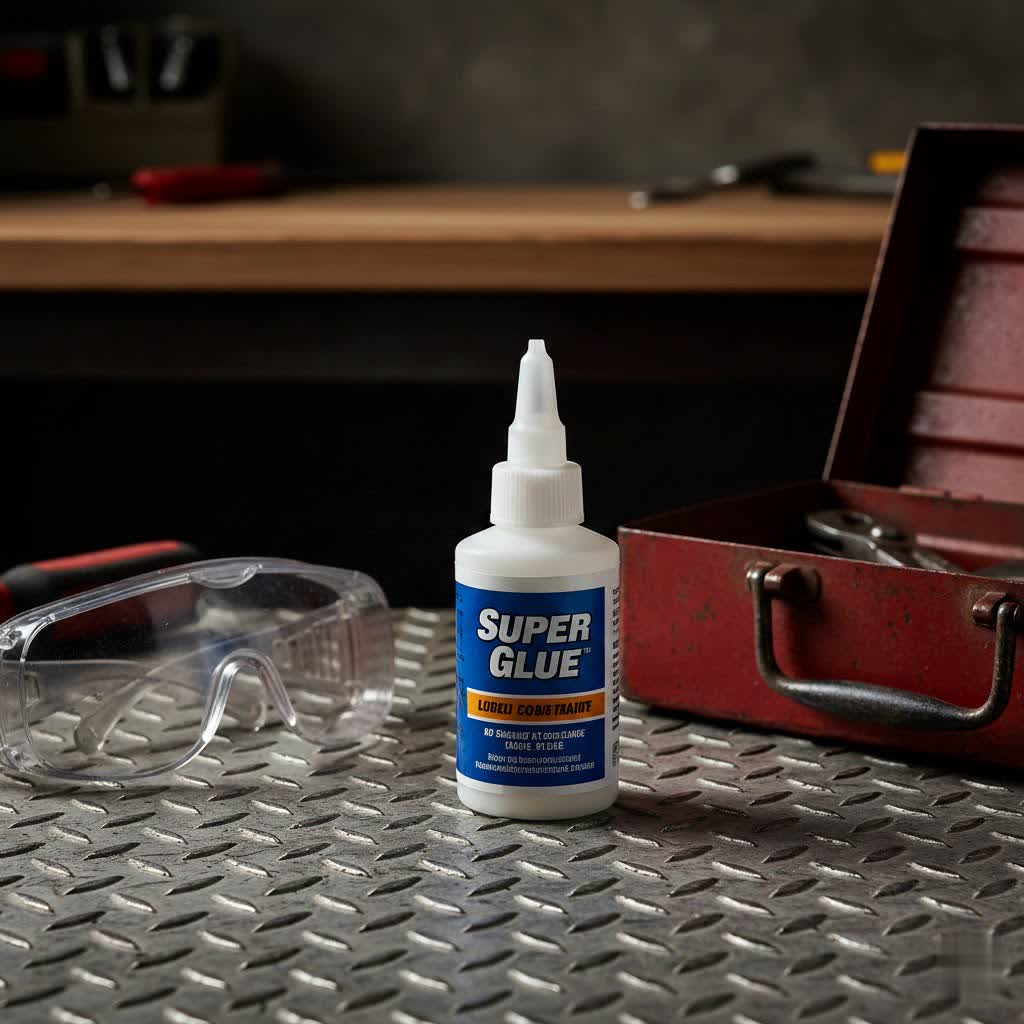
Have you ever repaired a cherished item with standard super glue, only to have the bond crack and fail under slight movement or impact? Traditional super glues create incredibly strong, rigid connections, but this very rigidity can be their downfall on materials that need to bend, stretch, or absorb shock. This is where the innovation of flexible super glue steps in, offering a revolutionary solution for repairs that demand both strength and resilience. As a technician with over a decade of hands-on experience in adhesives, especially Super Glue, I’ve seen firsthand how crucial it is to choose the right product for the job. This comprehensive guide will equip you with the knowledge to understand, select, and effectively use flexible super glue, transforming your repairs from temporary fixes to lasting solutions.
What is Flexible Super Glue?
Flexible super glue is a specialized type of cyanoacrylate (CA) adhesive, fundamentally engineered to address the inherent brittleness of conventional super glues. While standard CAs cure into a hard, glass-like plastic, flexible super glue is formulated with additives that allow the cured bond to resist cracking and breaking when subjected to dynamic forces.
At its core, traditional super glue relies on cyanoacrylate monomers that rapidly polymerize in the presence of moisture, forming long, linear polymer chains. These chains create a powerful bond, but their rigid structure offers little give. Flexible super glue, often referred to as “rubber-toughened” or “elastomer-modified” CA, incorporates microscopic rubber particles or other elastomeric agents into its formulation. These additives act as tiny shock absorbers within the adhesive matrix. When stress is applied, these flexible particles help to absorb and disperse the energy, preventing micro-cracks from propagating and leading to catastrophic bond failure. This modification provides high resistance to impact, vibration, and peeling forces, ensuring the bond remains flexible and durable.
The primary benefit of this enhanced flexibility is evident in applications involving materials that experience movement. Think about a shoe sole, a leather belt, or a piece of rubber; a rigid adhesive would quickly crack under repeated flexing. Flexible super glue moves with the material, maintaining integrity and extending the life of your repair.
Classifying Flexible Super Glue
Understanding the different ways flexible super glue is classified can help you pinpoint the best product for your specific repair needs. These adhesives can be categorized based on their chemical composition, viscosity, and intended purpose.
Based on Chemical Composition
While all super glues are cyanoacrylates, their specific chemical makeup and additives dictate their properties.
- Standard Cyanoacrylates: Primarily ethyl cyanoacrylate (ECA), these are known for fast curing and strong, rigid bonds. They are ideal for static, close-fitting parts but are prone to brittleness when flexed.
- Rubber-Modified/Elastomer-Toughened Cyanoacrylates: These are ECA-based formulations that have been enhanced with rubber particles or other elastomeric additives. This modification significantly improves their peel strength, impact resistance, and ability to flex without fracturing. Brands often highlight these as “flexible” or “tough” formulas.
- Medical-Grade Cyanoacrylates: Including n-butyl cyanoacrylate and 2-octyl cyanoacrylate, these variants are known for their enhanced flexibility, biocompatibility, and lower exothermic reaction. While primarily designed for medical applications, their inherent flexibility makes them valuable for certain specialized tasks where elasticity and safety are paramount.
Based on Viscosity
|
Our Picks for the Best Super Glue in 2026
As an Amazon Associate I earn from qualifying purchases.
|
||
| Num | Product | Action |
|---|---|---|
| 1 | Loctite Super Glue Ultra Liquid Control, Clear, 0.14 fl oz Bottle, 6 Pack - Superglue for Plastic, Wood, Metal, Crafts & Repair, Cyanoacrylate Adhesive Instant Glue, Quick Dry |

|
| 2 | Loctite Super Glue Ultra Gel Control, 4-Gram Bottle (1739050) (Fоur Paсk) |
|
| 3 | Krazy Glue Original Adhesive - Super Glue - Precision Tip - Multi-Purpose One Drop Applicator (12) |
|
| 4 | Bob Smith Industries BSI-157H Maxi Cure/Insta-Set Combo Pack (3 oz. Combined),Clear |
|
| 5 | WoldoClean Super Glue for Metal 25g Extra Strong Metal Glue - for Stainless Steel and Aluminum, Dries Clear, Waterproof and Holds Instantly |
|
| 6 | Super Glue 15175 Mini Single Use Tubes 5-Pack |
|
| 7 | Super Glue Super Glue 15173-5 Single-use Minis,4 Pack |
|
| 8 | Gorilla Super Glue Gel XL, Clear Glue, 25 Gram (Pack of 1) - All Purpose and Fast Setting for Projects and Repairs |
|
| 9 | Gorilla Super Glue with Brush & Nozzle Applicator, Clear Glue, 12 Gram (Pack of 1) - All Purpose and Fast Setting for Projects and Repairs |
|
| 10 | Loctite 1363589 4-Gram Bottle Super Glue Ultra Gel Control Adhesive, 3-Pack |
|
The thickness of the adhesive, or its viscosity, plays a significant role in its application and suitability for different materials and orientations.
- Liquid Flexible Super Glue: These formulas flow like water, making them ideal for horizontal surfaces and non-porous materials where a thin, penetrating bond is desired. They set quickly and spread easily into tight seams.
- Gel Flexible Super Glue: Featuring a thicker, no-drip, no-run consistency, gel formulas are perfect for vertical or overhead applications and porous surfaces. The increased viscosity allows for more time to position parts accurately before the final bond sets, and it can also fill small gaps more effectively.
- Brush-On Flexible Super Glue: Some flexible super glues come with a brush applicator, offering precise and even coverage for delicate or larger surface areas where control is key.
Based on Purpose of Use
Manufacturers often tailor flexible super glues for specific applications, although many are versatile enough for general use.
- General-Purpose Flexible Repair: Designed for a wide array of household and industrial repairs involving flexible materials like rubber, plastic, and leather.
- Fabric and Textile Adhesives: Formulated to remain pliable after curing, making them suitable for mending clothing, upholstery, and other fabric items without creating stiff or uncomfortable patches.
- Shoe Repair Glues: Specifically developed to withstand the constant flexing, impact, and moisture exposure that footwear endures, providing durable and long-lasting repairs.
- Automotive and Industrial Use: Used for bonding components that are subject to vibration, temperature fluctuations, or flexing, such as certain plastic parts, hoses, or gaskets.
Comparing Flexible Super Glue Types
When choosing between a standard super glue and a flexible super glue, the nature of the repair and the materials involved are key determinants. The added flexibility of specialized cyanoacrylates offers distinct advantages for specific projects.
Here’s a comparison to illustrate the differences:
| Feature | Standard Super Glue (e.g., Ethyl Cyanoacrylate) | Flexible Super Glue (e.g., Rubber-Toughened CA) |
|---|---|---|
| Bond Flexibility | Rigid, brittle, glass-like | Pliable, less brittle, can absorb movement |
| Impact Resistance | Low – prone to shattering under sudden impact | High – designed to absorb shock and resist blows |
| Vibration Resistance | Poor – bonds can crack and fail under continuous vibration | Excellent – maintains integrity on vibrating components |
| Thermal Cycling | Weak – expands/contracts with materials, leading to stress failure | Strong – can adapt to material expansion/contraction |
| Common Applications | Static bonds, close-fitting parts, rigid plastics, ceramics, glass, metals where no movement is expected | Dynamic materials like rubber, leather, fabric, shoes, automotive parts, flexible plastics |
| Peel Strength | Generally lower | Significantly higher due to rubber modification |
| Elongation at Break | Very low (typically < 5%) | Much higher (can be over 100-150% for some formulations) |
| Chemical Basis | Pure cyanoacrylate monomer | Cyanoacrylate with added rubberizers/elastomers |
Flexible super glue excels in situations where standard CA glue would inevitably fail. For instance, attempting to repair a torn rubber seal or a broken shoe sole with conventional super glue will likely result in a quickly re-broken item. The rigid bond cannot withstand the constant bending and stretching. Flexible formulations, however, are specifically designed to move with the material, offering a durable repair that lasts. Their enhanced peel strength and resistance to shock and vibration make them an indispensable tool for a wide range of repairs involving dynamic stress.
Safe and Effective Flexible Super Glue Use
Even with advanced formulations, proper application and safety precautions are paramount for achieving the best results and ensuring your well-being. Using flexible super glue effectively involves more than just squeezing it onto a surface; it requires careful preparation and technique.
Preparation Before Application
- Clean Surfaces Thoroughly: Ensure both surfaces to be bonded are free from dust, dirt, oil, grease, paint, or any other contaminants. Use a suitable cleaner or solvent if necessary, and allow the surfaces to dry completely. A clean surface promotes a stronger, more reliable bond.
- Ensure a Good Fit: While flexible super glues can have some gap-filling capabilities (especially gel formulas), they perform best on surfaces that fit closely together. Test the fit before applying the adhesive.
- Work in a Ventilated Area: Cyanoacrylates emit fumes that can be irritating to the respiratory tract. Ensure good airflow by opening windows or using a fan.
- Wear Protective Gear: Always wear disposable gloves to prevent skin bonding and safety glasses to protect your eyes from accidental splashes.
Correct Application Techniques
- Apply Sparingly: Flexible super glue is highly potent, and a little goes a long way. Apply one small drop of liquid glue per square inch, or a thin bead of gel. Using too much glue can actually weaken the bond and slow down the curing process.
- Press and Hold: Immediately after applying the glue, firmly press the two surfaces together. Hold them under steady pressure for the recommended set time, which can range from 5 to 45 seconds depending on the product and materials. The initial pressure is crucial for the glue to bond effectively.
- Allow for Full Cure: While the glue may set quickly, the bond will reach its maximum strength only after it has fully cured. This can take anywhere from 1 to 24 hours. Avoid putting stress on the repaired item until it’s completely cured.
- Consider Viscosity: Use liquid formulas for smooth, non-porous, horizontal surfaces, allowing it to wick into tight spaces. Opt for gel formulas on porous, vertical, or overhead surfaces, or when you need more working time and gap-filling ability.
Handling Mishaps
- Skin Bonding: Do not try to pull bonded skin apart. Gently roll the bonded area, or soak it in warm, soapy water. Acetone (nail polish remover) can also help to dissolve the bond, but use it cautiously and avoid prolonged skin contact.
- Eye Contact: Immediately flush the eye with plenty of water for at least 15 minutes and seek medical attention. Do not attempt to pull the eyelids apart.
- Clothing/Fabric: Super glue can react exothermically with natural fibers like cotton, causing heat and potentially burns. If glue gets on clothing, treat it carefully. Acetone might help on some fabrics but can damage others. Always test in an inconspicuous area first.
Buying Guide: Choosing the Right Flexible Super Glue
Selecting the ideal flexible super glue requires considering the specifics of your project and the properties that matter most for a durable repair. With a plethora of options available, making an informed decision can significantly impact the success and longevity of your work.
Identify Your Specific Needs
Before purchasing, clearly define what you’re trying to bond and the conditions it will face:
- Materials: Are you bonding rubber to plastic, fabric to fabric, or a flexible plastic to metal? Different glues might adhere better to specific material combinations.
- Movement/Stress: Will the bonded item be constantly flexed (like a shoe), subject to vibrations (like an automotive part), or endure impacts (like a dropped tool)? The degree of expected movement will guide your choice.
- Environment: Will the repair be exposed to moisture, extreme temperatures, or chemicals? Some flexible super glues offer enhanced resistance to these factors.
Key Factors to Consider
- Bond Strength and Flexibility: Look for products explicitly labeled “flexible,” “rubber-toughened,” or “impact resistant.” Check the product’s elongation at break percentage if available, as a higher number indicates greater flexibility.
- Cure Time: While most super glues set quickly, the full cure time can vary. If you need the item back in action rapidly, consider products with faster overall cure cycles.
- Viscosity (Liquid vs. Gel):
- Liquid: Best for tight-fitting parts, smooth surfaces, and when you need the glue to penetrate small crevices.
- Gel: Ideal for porous materials, vertical surfaces, gap-filling, and when you need more time for precise positioning.
- Gap-Filling Ability: If your surfaces don’t mate perfectly, a gel-based flexible super glue will provide better gap-filling capabilities than a thin liquid.
- Water and Temperature Resistance: For outdoor items or those subject to temperature fluctuations, ensure the product specifies resistance to water and a decent temperature range.
- Clarity: If the aesthetic of the repair is important, choose a flexible super glue that dries crystal clear.
- Specialized Features: Some products offer brush applicators for ease of spreading or come in specialized formulas for specific materials like polyethylene and polypropylene (which might require a primer).
Choosing Reputable Brands and Reading Labels
- Brand Reputation: Stick with well-known brands that have a track record of producing quality adhesives. Brands like Loctite, Flex Super Glue, Starbond, and Bob Smith Industries are recognized in the market for their specialized CA formulations.
- Read the Product Description and Safety Data Sheet (SDS): Always read the manufacturer’s instructions and warnings carefully. The packaging will typically list suitable materials, cure times, and key features. For detailed chemical information and safety precautions, the SDS is an invaluable resource.
“The secret to a successful repair isn’t just about strength, it’s about matching the adhesive’s properties to the material’s behavior. For anything that bends, stretches, or vibrates, flexibility in your super glue is non-negotiable.” – Admin, reviewsmov.com
Popular Flexible Super Glue Brands
The market offers several reliable brands producing high-quality flexible super glues, each with its own strengths and specific product lines. Here are some noteworthy options:
- Flex Super Glue: Known for its versatility, Flex Super Glue is available in both liquid and gel formulas, as well as a brush-on variant. It’s advertised for strong bonds on various materials including plastic, metal, ceramic, and leather, and cures to a strong, high-performance bond. Their products are designed for quick repairs and are often chosen for general household fixes.
- Loctite: A leading name in adhesives, Loctite offers several flexible cyanoacrylate options. Their “Ultra Gel” is a well-known rubber-toughened formula, recognized for its impact and vibration resistance. Specialized products like Loctite 4902 are designed for flexible medical devices and bonding substrates such as metal, plastic, and rubber, boasting high elongation and strong flexing bond lines.
- Starbond and Bob Smith Industries (Insta-Flex): These brands are highly regarded in the hobbyist and woodworking communities for their diverse range of CA glues, including flexible or “rubber-toughened” variants. Their flexible formulas are designed to be less brittle than standard CAs, providing improved shock absorption and durability for projects involving dynamic stress.
- Chem-Set: The Chem-Set CA 73HT Flexible Cyanoacrylate is specifically highlighted for its improved peel strengths, excellent impact and vibration resistance, and suitability for bonding dissimilar materials subject to thermal shock or cycling. It’s a thixotropic (gel-like) flexible material with high elongation.
When considering these brands, it’s advisable to compare their specific product features, such as stated elongation, impact resistance claims, and material compatibility, against your project requirements. Prices can vary significantly based on brand, volume, and specialized formulation, so check for current promotions to find the best value.
Important Flexible Super Glue Safety Tips
While flexible super glues are incredibly useful, they are powerful chemical adhesives that require careful handling. Your safety should always be the top priority when working with any super glue product.
- Read Instructions Thoroughly: Always read the manufacturer’s instructions, warnings, and safety data sheet (SDS) before using any flexible super glue. These documents provide crucial information specific to the product’s chemical composition and recommended handling.
- Ensure Adequate Ventilation: Work in a well-ventilated area to minimize inhalation of fumes, which can cause respiratory irritation. If working indoors, open windows and use a fan to circulate air.
- Wear Personal Protective Equipment (PPE):
- Gloves: Always wear disposable gloves (nitrile or polyethylene are usually recommended) to prevent skin contact and instant bonding.
- Eye Protection: Wear safety glasses or goggles to shield your eyes from accidental splashes or fumes. Eye contact with super glue can cause serious injury.
- Avoid Skin and Eye Contact: Cyanoacrylates bond skin and eyes instantly. In case of contact, do not force bonded areas apart. For skin, gently roll or soak in warm soapy water. For eyes, flush with water immediately and seek medical attention.
- Prevent Ingestion and Inhalation: Do not eat, drink, or smoke while using super glue. Avoid breathing in vapors directly.
- Beware of Exothermic Reaction: Super glues can generate heat when they come into contact with natural fibers like cotton, wool, or leather, potentially causing burns. Use caution when working with these materials and avoid contact with clothing or paper towels during cleanup.
- Proper Storage: Store flexible super glue upright in a cool, dry, and dark place. High temperatures and humidity can shorten its shelf life. Keep the cap tightly sealed to prevent premature curing.
- Keep Out of Reach of Children and Pets: Always store super glue in a secure location where children and animals cannot access it.
Adhering to these safety guidelines will help you use flexible super glue confidently and responsibly, ensuring successful repairs without compromising your safety.
Conclusion
Flexible super glue represents a significant advancement in adhesive technology, moving beyond the brittle limitations of traditional cyanoacrylates to offer robust and lasting repairs for dynamic materials. By incorporating rubberizers or elastomeric agents, these specialized adhesives provide impressive impact resistance, vibration dampening, and the crucial ability to flex without breaking. Whether you’re mending a favorite pair of shoes, repairing leather goods, or tackling projects with moving parts, understanding the unique properties and proper application of flexible super glue is key to achieving durable results.
Embrace the versatility of flexible super glue for your next repair. You’ll not only fix the immediate problem but also create a bond that stands up to the demands of everyday use. What flexible item in your home is waiting for the perfect flexible super glue solution?
Frequently Asked Questions
Is flexible super glue truly flexible like rubber?
While “flexible super glue” is significantly less brittle and more pliable than standard super glue, it does not typically cure to the same rubbery consistency or elongation properties as true flexible adhesives like silicone or E6000. It’s best described as “rubber-toughened,” meaning it can absorb much more impact, vibration, and flexing without cracking, but it won’t stretch like rubber.
What materials is flexible super glue best for?
Flexible super glue excels at bonding materials that experience movement, impact, or vibration. This includes rubber, leather, fabric, flexible plastics (like vinyl), wood, and certain metal applications. It’s ideal for shoe repairs, mending leather accessories, automotive components, and other items where a rigid bond would quickly fail.
Can flexible super glue withstand water and extreme temperatures?
Many flexible super glues offer improved resistance to water and temperature fluctuations compared to traditional formulas, especially those designed for outdoor or industrial use. However, always check the specific product’s specifications for its resistance ratings, as performance can vary between brands and formulations. For items exposed to constant moisture or extreme heat/cold, specialized adhesives might be necessary.
How long does flexible super glue take to cure?
Flexible super glues typically set within seconds to minutes, meaning they form an initial bond that holds parts together. However, achieving maximum strength, or a full cure, usually takes longer, often ranging from 1 to 24 hours. It is crucial to allow the adhesive to fully cure before putting any significant stress on the repaired item to ensure the most durable bond.
Get our weekly buyer guide
Practical specs, not advice. Unsubscribe anytime.
