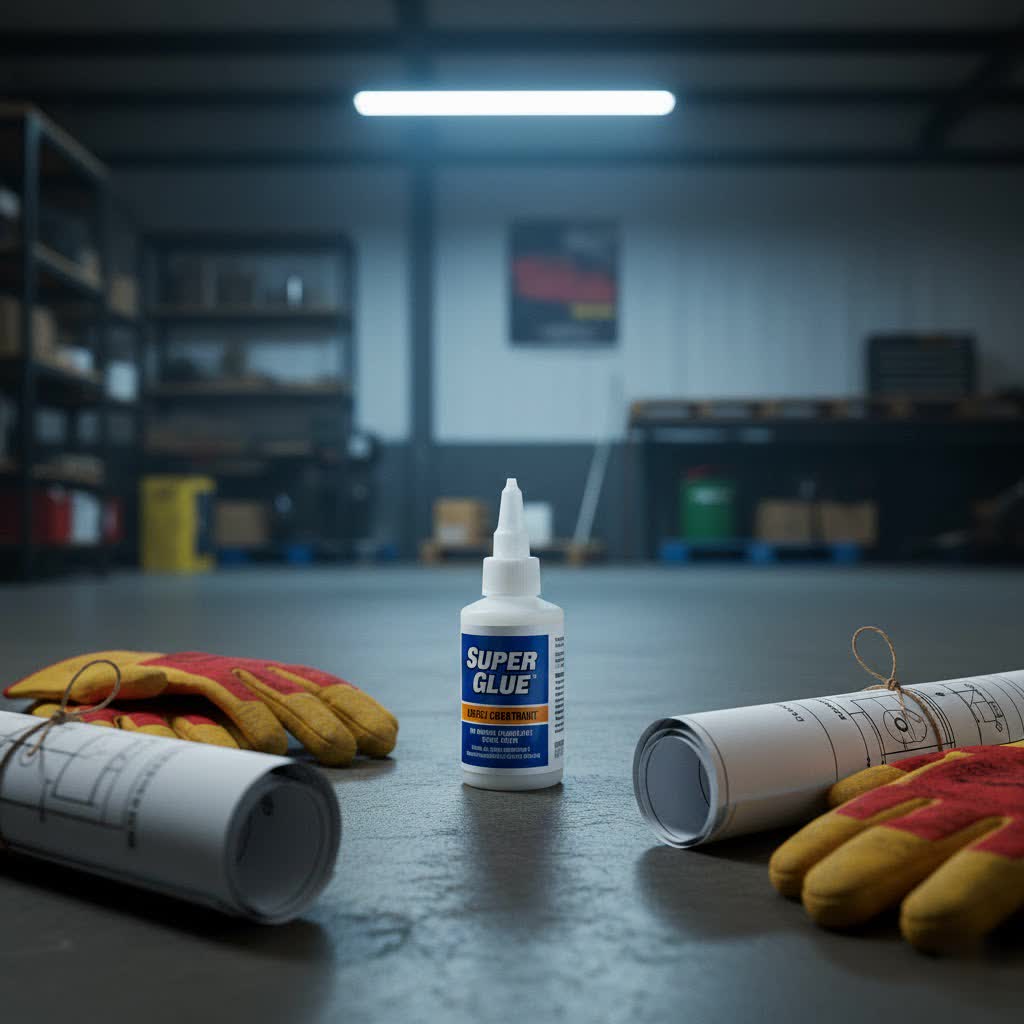
Ever found yourself in a bind, needing an instant fix for a broken item, only to be overwhelmed by the myriad of “super glues” on the market? As an admin at reviewsmov.com and a technician with over a decade of experience, I’ve delved deep into the world of adhesives, especially Super Glue, to bring you the definitive guide. Understanding the chemical makeup, bonding strengths, and safe application of cyanoacrylate super glue is key to achieving lasting repairs and tackling projects with confidence.
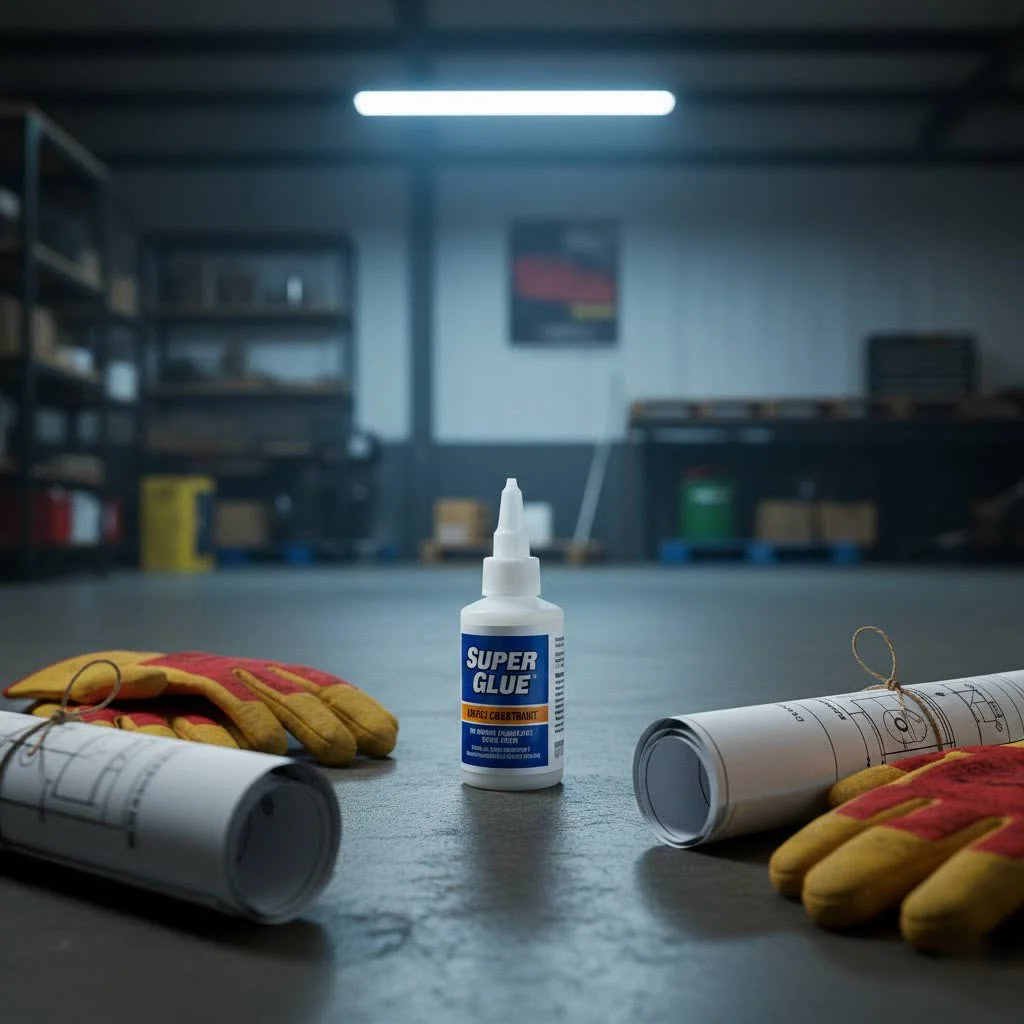
Super Glue: A Comprehensive Guide from A to Z
What is Super Glue? (Definition and Applications)
Super glue, scientifically known as cyanoacrylate (CA) adhesive, is a remarkable type of fast-bonding, high-strength adhesive engineered to create instant bonds between almost any material. At its core, cyanoacrylate is a group of acrylic resins that rapidly polymerize in the presence of even trace amounts of moisture, forming long, strong polymeric chains that lock materials together. This chemical reaction is what gives super glue its characteristic quick-drying and powerful adhesive properties.
The primary chemical component of most widely available super glues is ethyl cyanoacrylate, known for its versatility and general-purpose use. However, other cyanoacrylate esters like methyl, n-butyl, and octyl cyanoacrylates are also utilized, each offering slightly different properties for specific applications.
The versatility of cyanoacrylate super glue makes it indispensable in countless scenarios. From everyday household repairs—like mending a broken ceramic mug or fixing a loose piece of furniture—to specialized industrial uses, its applications are vast. Hobbyists frequently use CA glue for assembling model aircraft and miniatures due to its effectiveness in bonding various materials. In marine aquariums, it’s popular for attaching corals and aquatic plants to rockwork. Beyond these, specialized forms are even employed in medical and veterinary fields for wound closure and cosmetic applications such as nail and eyelash extensions.
Classifying Cyanoacrylate Super Glue
Cyanoacrylate super glues aren’t a one-size-fits-all solution. They are typically classified based on their chemical composition and viscosity, which dictate their ideal use cases and performance characteristics.
Based on Chemical Composition:
- Ethyl Cyanoacrylate (ECA): This is the most common and versatile type, found in most household “super glue” products. It offers a good balance of strength and flexibility, suitable for a wide range of materials including plastics, metals, wood, and ceramics.
- Methyl Cyanoacrylate (MCA): Known for its quicker curing time and strong, rigid bonds, MCA is particularly effective on metals. However, it can be more brittle than ECA and may not perform as well on flexible materials.
- Alkoxy Cyanoacrylate: These formulations are designed to reduce “blooming” (a white residue that can appear around the bond line) and typically emit less odor during cure, making them preferable for aesthetic or sensitive applications.
- N-Butyl and 2-Octyl Cyanoacrylate: These types have longer alkyl groups, resulting in less brittle, more flexible bonds. They are often used in medical and veterinary applications for their tissue compatibility and flexibility, such as for surgical glues.
Based on Viscosity (Thickness):
Viscosity refers to the glue’s thickness or flow rate, significantly impacting its application and performance.
- Thin (Water-like): These low-viscosity formulas are excellent for penetrating small cracks, tight joints, and porous materials due to their wicking action. They dry very quickly, making them ideal for instant bonds where surfaces fit perfectly.
- Medium: Offering a balance between flow and gap-filling capability, medium-viscosity CA glues are general-purpose options suitable for slight imperfections in mating surfaces. They provide a slightly longer working time than thin glues.
- Thick / Gel: High-viscosity or gel formulas are designed for gap-filling applications, vertical surfaces where dripping is undesirable, and porous materials that would absorb thinner glues too quickly. They offer the longest working time among CA glues and greater control during application.
Purpose-Specific Formulations:
Beyond chemical type and viscosity, specialized CA glues include:
- Flexible CA Glues: These are semi-flexible once cured, making them suitable for bonding materials that require some degree of movement without cracking the adhesive.
- Rubber-Toughened CA Glues: Infused with rubber particles, these adhesives offer enhanced impact resistance, shock absorption, and peel strength, making the bond less brittle and more durable under stress.
- Surface Insensitive (SI) CA Glues: Formulated to cure effectively even on acidic or porous surfaces, which can typically hinder the curing process of standard CAs.
- High-Temperature Resistant CA Glues: Modified to withstand higher temperatures, extending their utility in more demanding environments.
Comparing Types of Cyanoacrylate Super Glue
|
Our Picks for the Best Super Glue in 2026
As an Amazon Associate I earn from qualifying purchases.
|
||
| Num | Product | Action |
|---|---|---|
| 1 | Gorilla Super Glue with Brush & Nozzle Applicator, Clear Glue, 12 Gram (Pack of 1) - All Purpose and Fast Setting for Projects and Repairs |

|
| 2 | Super Glue Super Glue 15173-5 Single-use Minis,4 Pack |
|
| 3 | Krazy Glue Original Adhesive - Super Glue - Precision Tip - Multi-Purpose One Drop Applicator (12) |
|
| 4 | Super Glue 15175 Mini Single Use Tubes 5-Pack |
|
| 5 | Bob Smith Industries BSI-157H Maxi Cure/Insta-Set Combo Pack (3 oz. Combined),Clear |
|
| 6 | Loctite 1363589 4-Gram Bottle Super Glue Ultra Gel Control Adhesive, 3-Pack |
|
| 7 | Loctite Super Glue Ultra Liquid Control, Clear, 0.14 fl oz Bottle, 6 Pack - Superglue for Plastic, Wood, Metal, Crafts & Repair, Cyanoacrylate Adhesive Instant Glue, Quick Dry |
|
| 8 | Gorilla Super Glue Gel XL, Clear Glue, 25 Gram (Pack of 1) - All Purpose and Fast Setting for Projects and Repairs |
|
| 9 | WoldoClean Super Glue for Metal 25g Extra Strong Metal Glue - for Stainless Steel and Aluminum, Dries Clear, Waterproof and Holds Instantly |
|
| 10 | Loctite Super Glue Ultra Gel Control, 4-Gram Bottle (1739050) (Fоur Paсk) |
|
Choosing the right super glue hinges on understanding the nuances between formulations. Here’s a comparative overview:
| Feature | Ethyl Cyanoacrylate (ECA) | Methyl Cyanoacrylate (MCA) | Butyl/Octyl Cyanoacrylate | Thin Viscosity CA | Medium Viscosity CA | Thick/Gel Viscosity CA |
|---|---|---|---|---|---|---|
| Commonality | Most common, versatile | Less common, industrial | Specialized (medical) | Quickest, penetrating | Balanced, general-purpose | Gap-filling, controlled |
| Cure Time | Very fast (seconds) | Very fast (seconds) | Fast (seconds) | Instantaneous | Fast | Slower (still quick) |
| Flexibility | Good balance | More brittle | More flexible | Brittle | Good balance | Slightly more flexible (gel) |
| Gap-Filling | Poor | Poor | Poor | Minimal | Slight | Excellent |
| Ideal Materials | Plastics, metals, wood, ceramics | Metals | Skin, flexible materials | Non-porous, tight fits | General purpose | Porous, uneven surfaces, vertical |
| Best Use Cases | General household repairs, crafting | Metal bonding | Medical, veterinary | Wicking into cracks, fine detail | Most everyday fixes | Filling voids, structural, vertical bonding |
| Pros | Highly versatile, strong | Strong on metals, rigid | Flexible, tissue-friendly | Fast, deep penetration | Versatile, good all-rounder | Controls drips, fills gaps |
| Cons | Can be brittle, some bloom | More brittle, less flexible | Higher cost, specialized | No gap-filling, runs easily | Limited gap-filling | Slower cure, may require clamping |
“The subtle differences in cyanoacrylate formulations—from the ester type to the viscosity—can dramatically impact the success and durability of your bond. Always match the glue to the job.”
Safe and Effective Use of Cyanoacrylate Super Glue
Using super glue correctly is crucial not only for achieving a strong bond but also for ensuring your safety.
1. Preparation is Key:
- Clean and Dry Surfaces: Ensure both surfaces to be bonded are clean, dry, and free from dust, grease, or oil. Clean surfaces allow for optimal adhesion.
- Good Fit: Cyanoacrylate works best when surfaces fit snugly together, as it’s not a gap-filler (unless using a thick/gel formula).
- Work Area: Work in a well-ventilated area to minimize exposure to fumes. Protect your work surface with newspaper or cardboard.
2. Application Techniques:
- Minimal Amount: Super glue isn’t a “more is better” adhesive. Apply a very small amount to just one surface. Typically, one drop can cover about one square inch. Excess glue won’t improve strength and can actually slow the cure or weaken the bond.
- Press Together Firmly: Quickly bring the two surfaces together and hold them firmly for at least 10-30 seconds, or until an initial bond forms. The pressure helps spread the glue thinly and activates the curing process.
- Don’t Spread: Avoid spreading the glue with your finger or a tool, as this can cause it to cure prematurely on the surface, reducing its effectiveness.
3. Safety Precautions:
- Wear Protection: Always wear disposable gloves (avoid cotton or wool, as CA glue can react exothermically, generating heat, and bond rapidly to these materials) and eye protection (goggles) to prevent skin and eye contact.
- Ventilation: Ensure adequate ventilation to disperse fumes, which can be irritating to eyes and respiratory passages. While CA glue is not considered carcinogenic or to contain cyanide, fumes can be uncomfortable.
- Not Food Safe: Most cyanoacrylate adhesives are not food-safe. Avoid using them on items that will come into direct contact with food or beverages.
- Avoid Heat Sources: Due to its flammable nature, keep super glue away from open flames, sparks, and high heat.
4. First Aid for Accidental Contact:
- Skin: If super glue gets on your skin, do not try to pull it apart forcefully. Soak the affected area in warm, soapy water or use acetone-based nail polish remover. Gently roll or peel the skin apart.
- Eyes: In case of eye contact, flush immediately with plenty of water and seek medical attention. Do not force eyelids open.
- Clothing: If glue gets on clothing, especially cotton, it can generate heat. Do not try to peel it off forcefully, as this can damage the fabric. Acetone may help, but always test on an inconspicuous area first.
Choosing the Right Cyanoacrylate Super Glue (Buying Guide)
Selecting the ideal super glue for your project can feel daunting, but by considering a few key factors, you can make an informed decision.
1. Identify Your Specific Needs:
- Material Type: What materials are you bonding? (e.g., plastic, metal, wood, rubber, ceramic, fabric). Some CAs are specialized for certain materials.
- Bond Strength and Durability: How much stress will the bond endure? Do you need high impact resistance, flexibility, or resistance to temperature changes?
- Gap-Filling Requirement: Are the surfaces perfectly flush, or do you need to bridge small gaps?
- Application Method: Do you need precise application for small details, or will you be covering a larger area? Is it a vertical surface?
2. Key Factors to Consider:
- Viscosity:
- Thin: For tight-fitting parts, wicking into cracks.
- Medium: For general-purpose repairs, slight imperfections.
- Thick/Gel: For porous materials, gap-filling, vertical applications, controlled dispensing.
- Cure Speed: While all CAs are fast, some cure almost instantly, while others (especially gels or those on less reactive surfaces) might take a bit longer.
- Specialized Properties:
- Rubber-toughened: For improved impact and shock resistance, especially on plastics and rubber.
- Flexible: For bonds that require slight movement without breaking.
- Surface-insensitive: For better performance on acidic or porous substrates.
- Low-odor/Low-bloom: For projects where aesthetics or comfort are priorities.
3. Choose Reputable Brands and Suppliers:
Opt for well-known brands like Loctite, Starbond, Gorilla, and Krazy Glue, which have established reputations for quality and reliability. Purchasing from reputable suppliers ensures you get fresh product, as CA glue has a shelf life that can be affected by storage conditions.
4. Read Product Labels and Safety Data Sheets:
Always read the manufacturer’s instructions for specific application techniques, curing times, and safety warnings. This information is invaluable for proper use and safety.
Popular Cyanoacrylate Super Glue Brands
The market offers numerous reputable brands, each with its own strengths and specialized product lines. Here are some of the most prominent:
- Gorilla Glue: Widely popular for its robust formulations, Gorilla Super Glue often comes in gel form, offering excellent gap-filling capabilities and increased impact resistance with its rubber-toughened variants. Their convenient applicators are a user favorite.
- Loctite: A leading name in adhesives, Loctite offers a broad range of cyanoacrylate products, including liquid and gel formulas. Their “Ultra Gel Control” is particularly noted for precision and drip-free application, making it ideal for vertical or intricate jobs. Many Loctite CAs are designed for high resistance to water, impact, and shock.
- Starbond: Highly regarded by hobbyists and woodworkers, Starbond specializes in industrial-grade CA glues across various viscosities (thin, medium, thick, flexible, rubber-toughened). They are known for their freshness and specialized applications, including woodturning and filling voids.
- Krazy Glue: A household name, Krazy Glue is synonymous with instant, strong bonds for quick fixes. They offer all-purpose formulas in various applicators, including precision pens for detailed work.
- Glue Masters: This brand focuses on professional-grade cyanoacrylate adhesives, providing a wide selection of viscosities for different materials and projects, often in larger sizes for heavy users.
When considering price, industrial-grade or specialized formulations might be pricier per ounce than general household options, but they often deliver superior performance for their intended applications.
Important Considerations When Using Cyanoacrylate Super Glue
To maximize the performance and safety of your cyanoacrylate super glue, keep these vital points in mind:
- Storage is Crucial: Store unopened bottles of super glue in a cool, dry place, ideally refrigerated or even frozen, to extend their shelf life. Once opened, do not refrigerate or freeze, as moisture from condensation can cause the glue to cure inside the container and clog the tip. Keep opened bottles tightly sealed at room temperature in a dry environment.
- Avoid Cotton and Wool: Never use super glue on items made of cotton, wool, or other natural fibers, or with cotton swabs. CA glue reacts rapidly and exothermically (generates significant heat) with these materials, which can cause burns or even ignite flammable fabrics.
- Fume Management: Cyanoacrylate fumes can be irritating to the eyes, nose, and throat. While generally not harmful long-term, ensure good ventilation to avoid discomfort. Some individuals may experience asthma-like symptoms from prolonged exposure.
- Material Compatibility: While highly versatile, traditional super glues are generally not recommended for:
- Items requiring extreme flexibility under high stress.
- Surfaces subject to continuous water immersion (though some toughened formulas offer better water resistance).
- High-heat environments unless specifically designed as high-temperature resistant.
- Polypropylene and polyethylene plastics without a special primer, as they are very low surface energy materials.
- Not a Gap Filler (Unless Thick): For large gaps (over 0.05mm), super glue is typically not the best choice. Thick or gel formulations can bridge small gaps, but for significant structural gaps, epoxy adhesives are generally more suitable.
- Single-Use Tips: To prevent clogging, avoid touching the applicator tip to the surface of your project. If it does clog, use a de-clogging pin or soak the cap in acetone (nail polish remover).
Conclusion
Cyanoacrylate super glue is an indispensable tool in any repair kit, offering unparalleled speed and strength for countless bonding challenges. From quick household fixes to intricate hobby projects and even specialized industrial applications, understanding its diverse types and proper usage ensures effective and safe results. By considering the chemical composition, viscosity, and specific properties, you can confidently select the perfect CA glue for your needs. Always remember that the right tool for the job, applied correctly and safely, makes all the difference.
What challenging repairs have you successfully tackled with cyanoacrylate super glue? Share your experiences!
Frequently Asked Questions
Is Cyanoacrylate Super Glue food safe?
No, generally, cyanoacrylate super glues are not considered food-safe. It is strongly advised to avoid using them on items that will directly contact food or beverages due to potential chemical leaching or brittleness that could lead to small pieces breaking off.
How do you remove Super Glue from skin or surfaces?
For skin, soak the affected area in warm, soapy water and gently try to roll or peel the glue away. Acetone-based nail polish remover can also be effective on skin and many non-porous surfaces (always test on an inconspicuous area first), but avoid forceful pulling.
Can Super Glue be used on all materials?
While highly versatile, super glue has limitations. It bonds exceptionally well to many plastics, wood, metal, ceramics, and rubber. However, it typically struggles with very low surface energy plastics like polypropylene and polyethylene, and it should never be used with cotton or wool due to an exothermic reaction.
What’s the difference between thin and thick (gel) CA glue?
Thin CA glue has a water-like consistency, ideal for wicking into tight cracks and bonding flush surfaces quickly. Thick or gel CA glue is much more viscous, making it excellent for filling small gaps, adhering to porous materials, and controlled application on vertical surfaces, though it cures a bit slower.
Get our weekly buyer guide
Practical specs, not advice. Unsubscribe anytime.
