Have you ever found yourself with a broken item, reaching for that familiar small tube, hoping for an instant fix? Super glue, a household hero for countless repairs, often seems like magic in a bottle. But beneath its fast-acting prowess lies a fascinating blend of chemistry and precision engineering that makes it an indispensable tool for everything from mending ceramics to tackling intricate DIY projects. This comprehensive guide will demystify super glue, helping you understand its composition, explore its many varieties, master safe and effective application, and ultimately choose the perfect adhesive for any task.
What is Super Glue? Definition and Applications
At its core, super glue is a type of fast-bonding, high-strength instant adhesive known scientifically as cyanoacrylate adhesive. This remarkable substance is engineered to create a strong, durable bond on almost any material within seconds. Its primary ingredient, cyanoacrylate monomers, rapidly polymerizes when exposed to moisture, transforming from a liquid into a solid plastic. This unique chemical reaction allows super glue to form molecular-level bonds quickly, making it ideal for a vast array of household and industrial applications. For shop curated super glue on this site.
From quick fixes for a shattered ceramic mug or a cracked phone screen, to more complex tasks in woodworking or model building, super glue’s versatility is unmatched. It effectively bonds materials such as stone, metal, wood, plastic, glass, ceramic, and paper. Beyond everyday repairs, it finds specialized uses in automotive minor crack repairs, craft projects, jewelry making, and even some medical fields for closing small wounds.
Classifying Super Glue
Not all super glues are created equal, and understanding their classifications is key to selecting the right product for your project. Super glues can be broadly categorized based on their chemical composition, viscosity, and specific intended uses.
Classification by Chemical Composition
The performance characteristics of super glue are heavily influenced by the type of cyanoacrylate ester used:
- Ethyl Cyanoacrylate: This is the most common type found in consumer super glues due to its balance of speed, strength, and versatility. It forms a strong, fast-setting, but rigid bond, making it suitable for general household and metal repairs.
- Methyl Cyanoacrylate: Known for its very fast curing and highly rigid bonds, methyl cyanoacrylate is often favored in industrial applications and electronics assembly where extreme strength and stiffness are required.
- Butyl Cyanoacrylate: Offering a slower cure time and increased flexibility, butyl cyanoacrylate is frequently used in medical-grade adhesives, where a less brittle bond and lower irritation are beneficial for skin applications.
- Octyl Cyanoacrylate: Similar to butyl, octyl cyanoacrylate provides even greater flexibility and boasts a low-odor profile, making it a preferred choice for skin-safe and further medical uses.
Classification by Viscosity
|
Our Picks for the Best Super Glue in 2026
As an Amazon Associate I earn from qualifying purchases.
|
||
| Num | Product | Action |
|---|---|---|
| 1 | Super Glue 15175 Mini Single Use Tubes 5-Pack |

|
| 2 | WoldoClean Super Glue for Metal 25g Extra Strong Metal Glue - for Stainless Steel and Aluminum, Dries Clear, Waterproof and Holds Instantly |
|
| 3 | Gorilla Super Glue with Brush & Nozzle Applicator, Clear Glue, 12 Gram (Pack of 1) - All Purpose and Fast Setting for Projects and Repairs |
|
| 4 | Loctite Super Glue Ultra Liquid Control, Clear, 0.14 fl oz Bottle, 6 Pack - Superglue for Plastic, Wood, Metal, Crafts & Repair, Cyanoacrylate Adhesive Instant Glue, Quick Dry |
|
| 5 | Gorilla Super Glue Gel XL, Clear Glue, 25 Gram (Pack of 1) - All Purpose and Fast Setting for Projects and Repairs |
|
| 6 | Bob Smith Industries BSI-157H Maxi Cure/Insta-Set Combo Pack (3 oz. Combined),Clear |
|
| 7 | Loctite Super Glue Ultra Gel Control, 4-Gram Bottle (1739050) (Fоur Paсk) |
|
| 8 | Krazy Glue Original Adhesive - Super Glue - Precision Tip - Multi-Purpose One Drop Applicator (12) |
|
| 9 | Loctite 1363589 4-Gram Bottle Super Glue Ultra Gel Control Adhesive, 3-Pack |
|
| 10 | Super Glue Super Glue 15173-5 Single-use Minis,4 Pack |
|
Super glue’s consistency, or viscosity, dictates its flow and application suitability:
- Thin (Low Viscosity): These liquid formulas are ideal for penetrating tight cracks and fractures, especially on smooth, non-porous, and close-fitting surfaces. They dry very quickly, making them excellent for precise, small repairs where capillary action can draw the glue into the joint.
- Medium Viscosity: Offering a balance between penetration and gap-filling capabilities, medium-viscosity super glues are versatile for most general repairs, providing good control without being excessively runny.
- Gel (High Viscosity): Super glue gels have a thicker, non-drip consistency, preventing drips and runs, which makes them perfect for vertical or overhead applications and for filling small gaps between surfaces. Gels also tend to create a more flexible bond compared to thin liquids.
Classification by Intended Use (Specialized Formulas)
Modern super glues often incorporate additives to enhance performance for specific tasks:
- Rubber-Infused Cyanoacrylate: Also known as rubberized super glue, these formulations contain added rubber particles, increasing the bond’s flexibility and resistance to impact and vibration. They are excellent for materials that experience frequent movement or stress, such as certain plastics and rubber.
- Plastic Bonding Cyanoacrylate: Standard super glues may struggle with some plastics due to their non-porous nature. Specialized plastic bonding formulas provide a strong, reliable bond on difficult plastic surfaces, commonly used in automotive repairs and electronics.
- High-Performance Cyanoacrylate: Engineered for demanding environments, these glues can withstand extreme temperatures, harsh chemicals, and moisture, making them critical in industries like aerospace and manufacturing.
- Medical-Grade Cyanoacrylate: As “surgical glue” or “skin glue,” these sterile formulations are used to close wounds and incisions, promoting faster healing and reducing scarring.
- Impact-Resistant Cyanoacrylate: Designed to endure high impacts without compromising the bond, these glues are suitable for heavy or weight-bearing objects and construction projects.
- Foam-Safe Cyanoacrylate: Specifically formulated for bonding foam materials like expanded polystyrene without melting or dissolving them, ideal for hobbyists working with model airplanes or RC vehicles.
- Low Odor/Low Bloom: These types minimize unpleasant fumes and reduce the dusty white residue (blooming) that can appear around bonded areas, important for appearance-critical or indoor applications.
Comparing Common Super Glue Types
Choosing the right super glue can significantly impact the success and longevity of your repair. Here’s a comparison of some common types based on key performance criteria:
| Feature | Thin Liquid Super Glue | Gel Super Glue | Rubber-Toughened Super Glue |
|---|---|---|---|
| Viscosity | Very low | High, non-drip | Medium to high |
| Curing Speed | Fastest (seconds for handling strength) | Fast (slightly slower than thin liquids) | Moderate (slightly slower due to additives) |
| Bond Strength | Extremely high tensile strength | High | High, with enhanced peel and impact strength |
| Flexibility | Rigid, can be brittle | More flexible than thin liquids | Highly flexible, resists impact and vibration |
| Gap Filling | Poor (best for tight-fitting parts) | Good for small gaps | Moderate |
| Water Resist. | Good (but traditional CAs have weak resistance) | Good | Enhanced for some formulas |
| Heat Resist. | Moderate (can be weakened by heat cycling) | Moderate | Enhanced for some formulas (high-performance) |
| Typical Uses | Precision repairs, tight joints, non-porous surfaces, metal, ceramic | Vertical applications, porous materials, small gap filling, wood | Materials under stress, rubber, flexible plastics, tools, impact-prone items |
How to Use Super Glue Safely and Effectively
While super glue is incredibly powerful, proper technique ensures the best bond and helps prevent common issues.
Preparation Before Use
The success of your bond largely depends on preparation. Start by ensuring your surfaces are clean, dry, and free of dust, oil, or grease. Contaminants like skin oils or machining oils are the leading cause of adhesion failure, especially on metal. Lightly roughening very smooth surfaces, like metal or some plastics, with fine-grit sandpaper (400-600 grit) can significantly improve adhesion. Always degrease thoroughly using rubbing alcohol or acetone and a lint-free cloth. Avoid touching the bonding area after cleaning.
Correct Application Techniques
Super glue works best when applied sparingly in a thin, even film. Many users make the mistake of applying too much glue, which can lead to weaker, brittle bonds, and slower curing, as moisture cannot penetrate evenly. You want the bond line to be almost invisible. For tight-fitting parts, a thin-viscosity liquid is best, allowing it to wick into micro-gaps. For vertical surfaces or small gaps, a gel formula provides more control and prevents dripping. Once applied, press the parts firmly together for 5-30 seconds to achieve handling strength. Allow the bond to sit undisturbed for at least 10 minutes for a functional bond, and a full 12-24 hours to reach maximum strength and durability.
Handling Super Glue Accidents
Accidental skin bonding is common. Never force skin apart, as this can tear the skin. Instead, soak the affected area in warm soapy water, then gently try to peel the skin apart using a dull tool. Acetone-based nail polish remover or specialized glue debonder can also dissolve super glue from skin and many surfaces, but test on an inconspicuous area first to ensure it won’t damage the material. Oils like vegetable or mineral oil can also help soften the bond over time.
“Super glue is fast-reacting by design. Safety depends on controlling where—and how fast—that reaction happens.”
Tips for Choosing the Right Super Glue (Buying Guide)
Selecting the ideal super glue involves considering the specific demands of your project.
- Identify Your Specific Needs: What materials are you bonding? Is the joint tight or does it have a gap? Will the repair be exposed to movement, impact, heat, or moisture?
- Consider Material Compatibility: Standard super glues work well on most common materials like wood, metal, ceramic, and many plastics (ABS, PVC, acrylic). However, for difficult plastics like polypropylene (PP), polyethylene (PE), or silicone, you’ll need specialized formulations or surface primers for reliable adhesion. If the glue beads up instead of spreading, it indicates poor compatibility.
- Choose the Right Viscosity:
- Thin liquids are for precise, tight-fitting joints and penetrating small cracks.
- Gels are better for porous materials, vertical surfaces, or when small gaps need filling.
- Evaluate Performance Features: If the bond will experience stress, vibration, or bending, opt for rubber-toughened or flexible formulas. For high-temperature or chemical exposure, look for high-performance super glues.
- Check Drying and Curing Times: While most super glues offer instant tack, understand the difference between handling strength and full cure time. If you need repositioning time, some formulas offer a slightly longer set time.
- Select Reputable Brands: Brands like Loctite are well-established, offering a range of specialized super glues with patented applicators designed for precision and durability. Reputable manufacturers often provide clear guidance on material compatibility and application.
- Read Product Labels: Always read the instructions and safety information on the packaging. This will provide crucial details on intended use, potential limitations, and proper handling.
Popular Super Glue Brands
While many brands produce cyanoacrylate adhesives, a few have established themselves as leaders in quality and innovation. Loctite is one of the most recognized names, having been involved in the commercialization of super glue since 1958. They offer a wide array of super glues, including liquid and gel forms, as well as specialized formulas like “Super Glue Ultra Liquid Control” which is designed for dishwasher safety and extreme temperature resistance. Other reputable brands also provide diverse options, often tailoring their products to specific materials like plastic, metal, or fabric, and incorporating features such as rubber-toughening for increased flexibility and impact resistance.
Important Notes When Using Super Glue
To ensure safety and optimal results, keep these critical points in mind:
- Read Instructions Thoroughly: Every super glue product can have specific instructions for optimal use and safety.
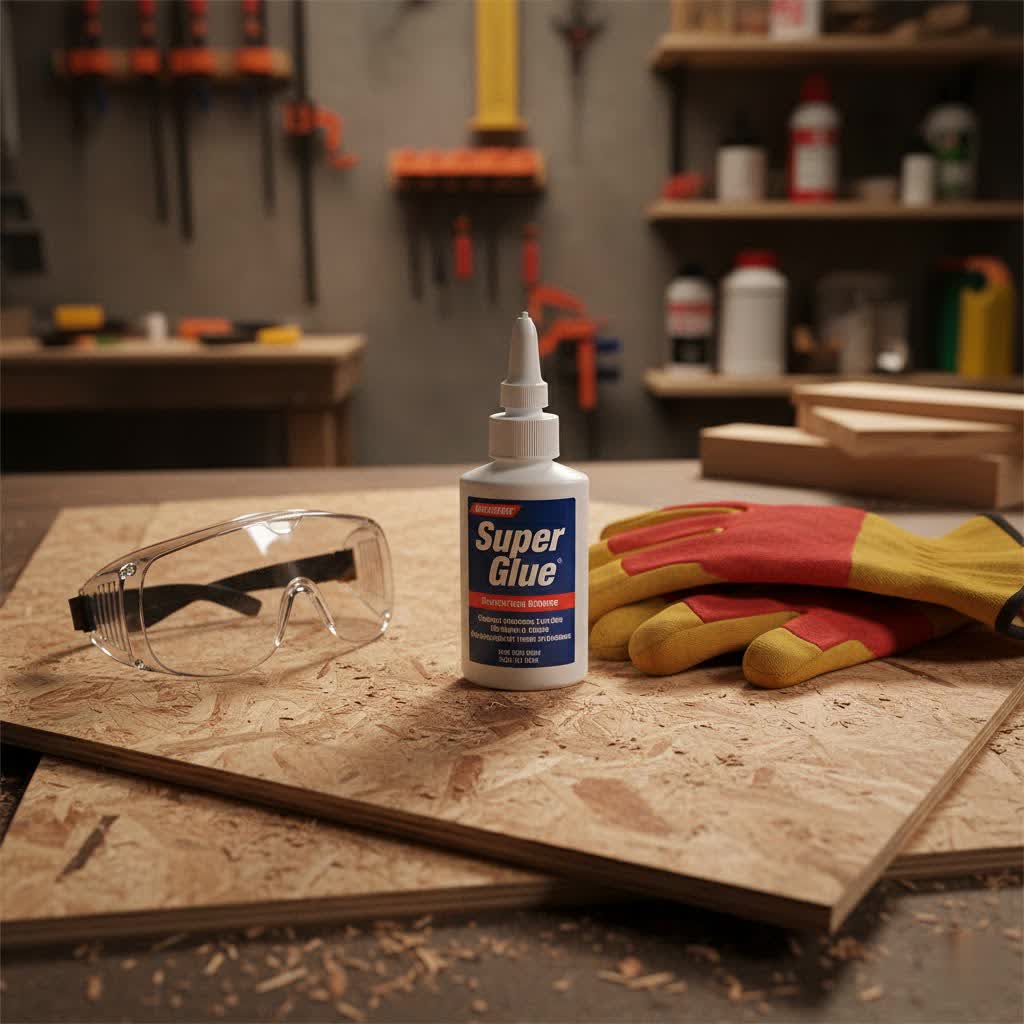
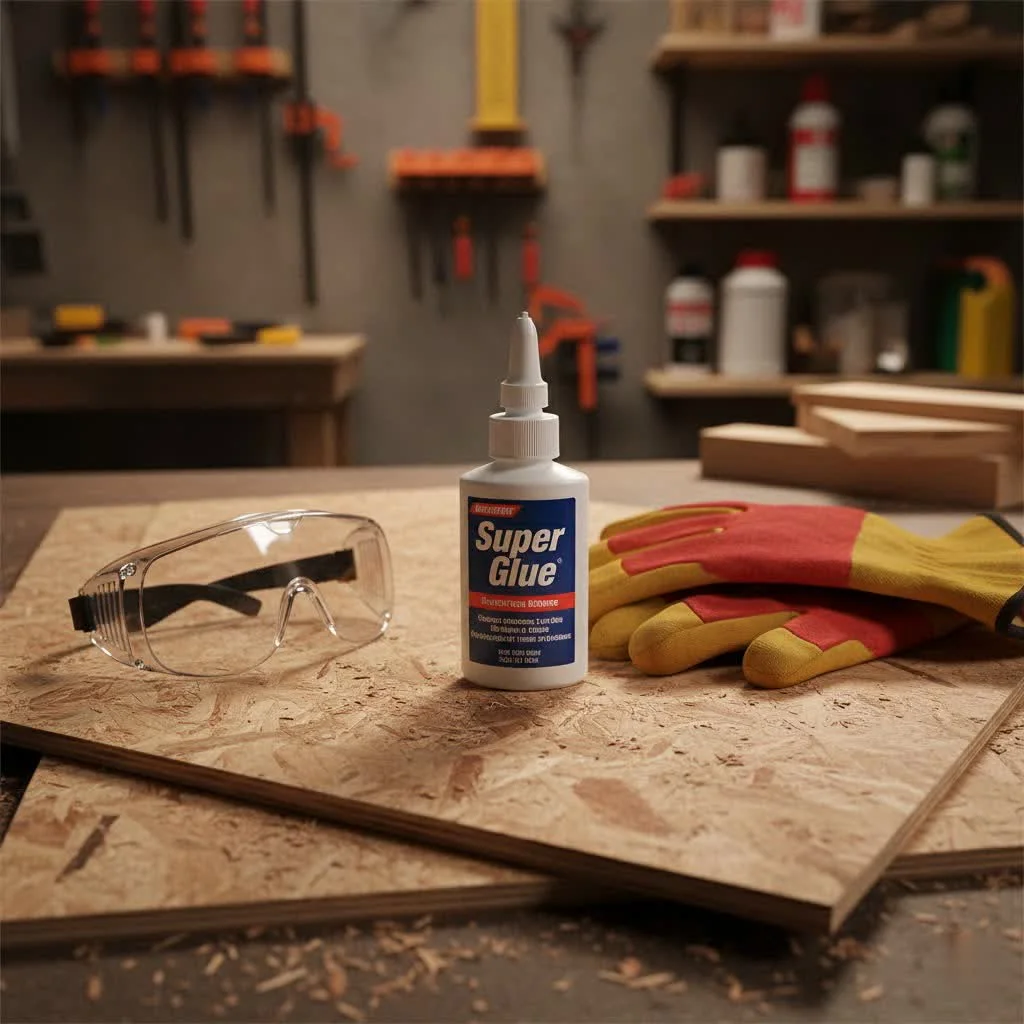
- Wear Protective Gear: Always wear gloves and eye protection to prevent accidental skin bonding or eye irritation.
- Ensure Proper Ventilation: Super glue fumes can be irritating to the eyes, nose, and throat. Use it in a well-ventilated area to minimize fume inhalation. Low-odor formulations exist but still benefit from ventilation.
- Avoid Skin and Eye Contact: Cyanoacrylate bonds instantly to skin. In the eyes, it can cause immediate irritation and potential damage.
- Beware of Fabric Reactions: A crucial safety warning: Super glue reacts violently with natural fibers like cotton, wool, and paper towels, generating significant heat that can cause burns, smoke, or melt fabric. Never wipe spills with these materials; use plastic tools or lint-free synthetic cloths instead.
- Not Food Safe: Cured super glue is generally non-toxic, but it is not food safe. Avoid using it on items that will come into direct contact with food or beverages.
- Proper Storage is Key: Store super glue tightly sealed, upright, and in a cool, dry place away from humidity and direct sunlight. Refrigeration (in a sealed bag with a desiccant, allowing it to warm to room temperature before opening) can extend shelf life, but avoid freezing. Wipe the nozzle clean after each use to prevent clogging and the cap from gluing shut.
Conclusion
Super glue, powered by the elegant chemistry of cyanoacrylate, is a truly remarkable adhesive, offering rapid, strong bonds for countless repairs and projects. Its instant action, however, means understanding its unique properties and limitations is vital for successful and safe application. By choosing the correct type—whether it’s a thin liquid for precision, a gel for vertical surfaces, or a rubber-toughened formula for flexibility—and following best practices for preparation, application, and storage, you transform super glue from a frustrating mystery into a reliable, indispensable tool. From mending a broken heirloom to tackling a complex hobby build, mastering super glue ensures your fixes last. What broken item in your home is waiting for the right super glue solution?
Frequently Asked Questions
Can Super Glue Bond All Types of Plastic?
No, super glue does not bond all types of plastic effectively. While it works well on common plastics like ABS, PVC, and acrylic, it often struggles with low-surface-energy plastics such as polyethylene (PE), polypropylene (PP), and silicone rubber. For these challenging materials, specialized plastic bonding formulas or surface primers are typically required to achieve a strong and lasting bond.
How Do I Remove Super Glue from My Skin?
To remove super glue from your skin, do not try to pull it apart forcefully. Instead, soak the bonded area in warm soapy water to soften the glue. You can also use acetone-based nail polish remover or a specialized super glue debonder, gently rubbing the area until the glue loosens. Oils like vegetable or mineral oil can also help break down the bond over time.
Is Super Glue Waterproof and Heat Resistant?
Standard super glues have good resistance to casual moisture, and some newer formulations are even dishwasher safe. However, traditional cyanoacrylates generally have weak resistance to prolonged water exposure and high temperatures. For applications requiring significant water or heat resistance, look for high-performance or specialized super glue formulations, or consider alternative adhesives like epoxy.
Why Does Super Glue Turn White Around the Bond Area?
The white residue, often called “blooming,” occurs when super glue’s fumes react with ambient moisture on the surface of the item or in the air, creating a powdery white film. This is more common with excessive glue application, poor ventilation, or high humidity. Using less glue, ensuring good ventilation, and opting for low-bloom formulations can help minimize this effect.
Get our weekly buyer guide
Practical specs, not advice. Unsubscribe anytime.
