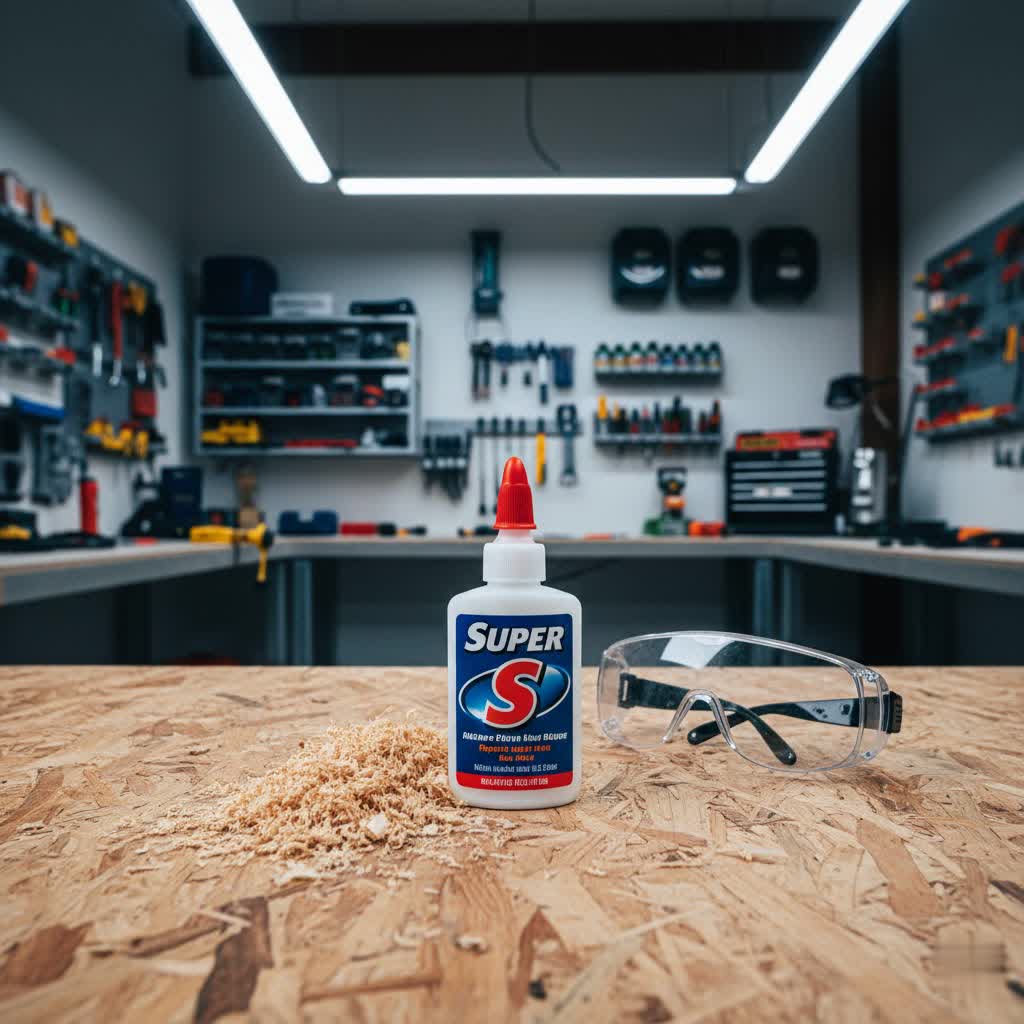
Bonding plastics can often feel like a frustrating puzzle. Unlike wood or metal, many plastics, especially those infamous “difficult-to-bond” types like polyethylene and polypropylene, resist conventional adhesives, leaving repairs weak and temporary. This challenge has driven countless DIY enthusiasts and professionals to seek a reliable solution that truly works. Fortunately, the Loctite Super Glue Plastics Bonding System steps in as a major upgrade, specifically engineered to tackle these elusive materials and create lasting, powerful bonds where other glues fail.
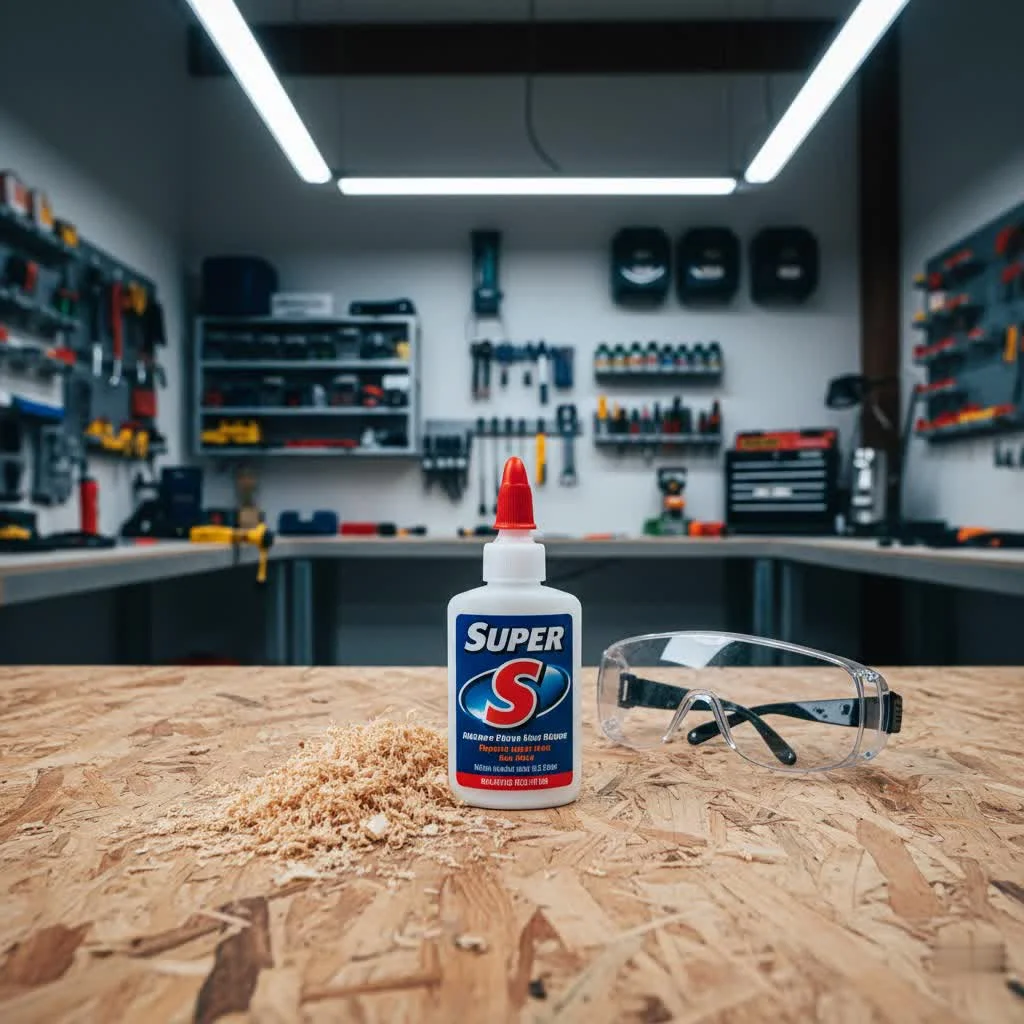
Understanding Loctite Super Glue Plastics Bonding System: The Two-Part Advantage
The Loctite Super Glue Plastics Bonding System isn’t just another tube of super glue; it’s a sophisticated two-part adhesive solution meticulously designed for challenging plastic repairs. At its core, this system comprises two crucial components: a liquid activator (often referred to as a primer) and a high-strength cyanoacrylate super glue. This dual approach is what sets it apart, allowing it to form incredibly strong bonds on surfaces typically resistant to adhesion. For more super glue guides on this site.
The activator’s role is paramount. Many plastics have low surface energy, which makes it difficult for adhesives to “wet” and adhere effectively. The primer component works by chemically altering the surface of these plastics, preparing them to accept the super glue. It promotes adhesion by increasing the surface energy and creating a more receptive substrate for the cyanoacrylate. Following this, the super glue component rapidly forms a robust bond, resulting in a repair that’s often stronger than the plastic itself. This innovative combination ensures that even the most stubborn plastics can be bonded securely and permanently.
What is Super Glue and Its Core Components?
Traditional Super Glue is primarily made of cyanoacrylate adhesive, a fast-acting acrylic resin that polymerizes quickly in the presence of moisture (even ambient humidity) to form a strong, rigid bond. This rapid setting time and powerful adhesion make it a popular choice for many quick fixes. However, while incredibly effective on porous materials and many non-porous surfaces like ceramics and metals, standard cyanoacrylate often struggles with plastics like polyethylene (PE) and polypropylene (PP) due to their low surface energy, which repels the adhesive rather than allowing it to form a strong mechanical and chemical interlock.
The Loctite Super Glue Plastics Bonding System enhances this fundamental cyanoacrylate chemistry by introducing a specialized primer. This primer is essentially a solvent-based adhesion promoter that conditions the plastic surface, making it receptive to the super glue. Without this crucial first step, the cyanoacrylate glue would simply not achieve a durable bond on these challenging plastic types. This ingenious pairing leverages the speed and strength of cyanoacrylate while overcoming its inherent limitations on specific plastic substrates.
Diverse Applications of Loctite Super Glue
|
Our Picks for the Best Super Glue in 2026
As an Amazon Associate I earn from qualifying purchases.
|
||
| Num | Product | Action |
|---|---|---|
| 1 | Loctite Super Glue Ultra Liquid Control, Clear, 0.14 fl oz Bottle, 6 Pack - Superglue for Plastic, Wood, Metal, Crafts & Repair, Cyanoacrylate Adhesive Instant Glue, Quick Dry |

|
| 2 | WoldoClean Super Glue for Metal 25g Extra Strong Metal Glue - for Stainless Steel and Aluminum, Dries Clear, Waterproof and Holds Instantly |
|
| 3 | Gorilla Super Glue Gel XL, Clear Glue, 25 Gram (Pack of 1) - All Purpose and Fast Setting for Projects and Repairs |
|
| 4 | Bob Smith Industries BSI-157H Maxi Cure/Insta-Set Combo Pack (3 oz. Combined),Clear |
|
| 5 | Super Glue 15175 Mini Single Use Tubes 5-Pack |
|
| 6 | Loctite 1363589 4-Gram Bottle Super Glue Ultra Gel Control Adhesive, 3-Pack |
|
| 7 | Krazy Glue Original Adhesive - Super Glue - Precision Tip - Multi-Purpose One Drop Applicator (12) |
|
| 8 | Super Glue Super Glue 15173-5 Single-use Minis,4 Pack |
|
| 9 | Gorilla Super Glue with Brush & Nozzle Applicator, Clear Glue, 12 Gram (Pack of 1) - All Purpose and Fast Setting for Projects and Repairs |
|
| 10 | Loctite Super Glue Ultra Gel Control, 4-Gram Bottle (1739050) (Fоur Paсk) |
|
The versatility of the Loctite Super Glue Plastics Bonding System extends far beyond just “difficult-to-bond” plastics. While it excels with polyethylene and polypropylene, its robust formulation makes it suitable for a wide array of plastic materials encountered in daily life and various industries. From common household items to more specialized repairs, this system offers a reliable solution for numerous bonding challenges.
It’s highly effective on other common plastics such as ABS, PVC, rigid and semi-rigid plastics, fiberglass, and even plastic-to-metal applications. This makes it an ideal choice for repairing broken toys, mending plastic components in small appliances, fixing automotive interior parts, or even reattaching plastic trims. Its ability to create a strong, lasting connection on such a diverse range of materials underscores its value as a go-to adhesive for comprehensive plastic repair needs.
Classifying Super Glues and the Loctite System’s Place
Adhesives are broadly classified based on their chemical composition, viscosity, and intended application. Understanding these classifications helps clarify why the Loctite Super Glue Plastics Bonding System stands out, particularly for its specialized performance on plastics.
Classification Based on Chemical Composition
When categorizing super glues by chemical composition, cyanoacrylates are the most common type. These adhesives cure rapidly upon contact with moisture, forming a rigid bond. The Loctite Super Glue Plastics Bonding System is fundamentally a cyanoacrylate-based adhesive, but it ingeniously combines this with a unique primer. Other common adhesive types include epoxies, which are two-part systems (resin and hardener) that create extremely strong, often gap-filling bonds, and acrylics, which can offer flexibility and good adhesion to various substrates. The Loctite Plastics Bonding System is specifically designed to extend the reach of cyanoacrylate technology to plastics traditionally incompatible with it.
Classification Based on Viscosity
Super glues come in various viscosities, ranging from thin liquids to thick gels. Liquid formulations are ideal for close-fitting parts, penetrating small gaps to create a bond quickly. Gel formulations, being thicker, are better suited for vertical surfaces, porous materials, or when more control is needed, as they don’t run. The Loctite Super Glue component in the Plastics Bonding System is typically a liquid, formulated for quick, strong bonds on the primed plastic surface. Its low viscosity allows for effective surface wetting once the primer has done its job.
Classification Based on Intended Use
Adhesives are often formulated for specific materials, such as wood, metal, fabric, or various types of plastic. While general-purpose super glues exist, performance can be optimized by using a product tailored to the substrate. The Loctite Super Glue Plastics Bonding System is a prime example of a specialized adhesive, explicitly engineered for “difficult-to-bond” plastics like polyethylene and polypropylene. Its two-part nature directly addresses the unique surface properties of these materials, ensuring reliable adhesion where many other general-purpose adhesives would fail. This specialization makes it a superior choice for any project involving these particular plastics.
Comparing Adhesive Solutions for Plastics
Choosing the right adhesive for plastic can be complex, given the vast number of plastic types and adhesive formulations available. While general-purpose super glues, epoxies, and other plastic-specific adhesives each have their merits, the Loctite Super Glue Plastics Bonding System offers distinct advantages, particularly for challenging plastic substrates.
| Adhesive Type | Key Feature | Best For | Pros | Cons |
|---|---|---|---|---|
| Loctite Plastics Bonding System | Two-part system (activator + cyanoacrylate) | Polyethylene (PE), Polypropylene (PP), ABS, PVC, rigid plastics, plastic to metal, small, quick repairs | Exceptionally strong bond on difficult plastics; fast curing; precise application | Activator can be perceived as dry (requires testing); not ideal for gap-filling or highly flexible plastics |
| Standard Cyanoacrylate (Super Glue) | Single-component, fast-acting | Wood, ceramics, leather, rubber, metal, some common plastics (e.g., polystyrene, polycarbonate), close-fitting parts | Very fast drying; strong initial bond; easy to use | Poor adhesion on low-surface-energy plastics (PE, PP); brittle bond; not gap-filling; can fog some plastics |
| Epoxy Plastic Adhesives | Two-part (resin + hardener), strong, gap-filling | Polystyrene, ABS, PVC, fiberglass, most hard plastics, filling gaps, structural bonds, plastic to other materials, large repairs | Very strong, durable, gap-filling; water and chemical resistant; can be sanded/painted | Slower cure time (hours to 24 hours); mixing required; less precise for small details |
| Flexible Plastic Adhesives | Flexible bond | Vinyl, fabric, soft plastics (e.g., certain toys, inflatable items, shoe repairs) | Maintains flexibility; waterproof; UV resistant | Slower drying times; generally lower ultimate strength than rigid bonds; may not bond rigid plastics well |
Advantages and Disadvantages of Loctite Super Glue Plastics Bonding System
The Loctite Super Glue Plastics Bonding System excels where many others fail, primarily due to its unique two-step process. Its primary advantage is the ability to create powerful, long-lasting bonds on notorious “difficult-to-bond” plastics like polyethylene and polypropylene, which are commonly found in everyday items. The quick curing time (often within seconds) makes it ideal for rapid repairs. Users frequently praise its strength for intricate items like glasses frames or small household components.
However, it’s not without its specific considerations. Some users have reported initial confusion or concern about the activator appearing “dry,” though Loctite clarifies that the felt tip is designed to be dry to the touch and requires testing on a piece of paper to confirm solvent presence. While robust, for highly flexible plastics, a dedicated flexible adhesive might offer a more appropriate bond that can withstand constant bending without cracking. For large gaps or structural repairs requiring substantial bulk, a two-part epoxy specifically for plastics might be a more suitable choice due to its gap-filling capabilities. “This system is a specialist, not a generalist; it shines brightest on the plastics it was engineered to conquer, delivering results that are truly impressive for those challenging substrates,” notes a seasoned adhesive technician.
A Step-by-Step Guide to Using Loctite Super Glue Plastics Bonding System Safely and Effectively
Achieving a strong, lasting bond with the Loctite Super Glue Plastics Bonding System requires careful attention to detail. Following these steps will help maximize the adhesive’s effectiveness and ensure a secure repair.
1. Preparation Before Application
Before you begin, ensure your workspace is well-ventilated. Gather all necessary materials, including the Loctite Plastics Bonding System, gloves, and eye protection. It is critical to clean the surfaces thoroughly; use soap and water, isopropyl alcohol, or a specialized plastic cleaner to remove any dirt, grease, or oil residues. Allow the surfaces to dry completely. For optimal adhesion, slightly roughening the plastic surface with fine-grit sandpaper (120-200 grit) can enhance the bond, though the activator itself is designed to improve surface receptivity.
2. Applying the Activator (Primer)
The activator is the key to bonding challenging plastics. Apply the activator to both surfaces that you intend to bond. Use the applicator pen or felt tip to spread a thin, even layer. It may appear clear or slightly wet; Loctite advises testing it on a piece of white paper beforehand to ensure the solvent is present, as the felt tip can feel dry to the touch. Once applied, allow the activator to dry for approximately one minute. This allows the chemical promoters to prepare the plastic surface for the super glue. Do not touch the treated surfaces during this drying period.
3. Applying the Super Glue
After the activator has dried, apply a sparing amount of the super glue from the tube to one of the treated surfaces. that with super glue, less is often more. An excessive amount can hinder proper curing and weaken the bond. Aim for a thin, even bead or a few drops depending on the size of the repair. Work quickly but carefully, as the glue sets rapidly once it comes into contact with the primed surface.
4. Bonding and Holding
Immediately after applying the glue, bring the two treated surfaces together. Press them firmly and hold them in place for at least 30 seconds. Consistent pressure is crucial during this initial bonding phase to ensure proper adhesion. For larger or more complex repairs, you might benefit from using clamps, tape, or rubber bands to maintain pressure while the glue sets. The initial bond forms quickly, but the full cure strength develops over a longer period, typically 24 hours. Avoid disturbing the bonded parts during this time to allow the adhesive to reach its maximum strength.
5. Post-Application and Clean-up
Any excess uncured glue or spillage should be removed immediately using a solvent like isopropyl alcohol or denatured alcohol. Once cured, super glue is much harder to remove. Ensure the caps for both the activator and glue tube are tightly sealed after use to prevent drying out and prolong their shelf life. Store the system in a cool, dry place, ideally below 75°F (24°C), and out of direct sunlight. Properly storing your adhesive will ensure it’s ready for your next repair project.
Choosing the Right Loctite Product for Your Plastic Needs (Buying Guide)
Selecting the ideal adhesive for your plastic repair can dramatically influence the success and longevity of the bond. While the Loctite Super Glue Plastics Bonding System is exceptionally potent for its specific applications, Loctite offers a range of specialized products tailored to different plastic types and repair requirements.
Identify Your Specific Plastic and Needs
The first step is always to identify the type of plastic you are working with. Look for recycling symbols or codes (e.g., HDPE for high-density polyethylene, PP for polypropylene, PS for polystyrene, ABS for acrylonitrile butadiene styrene). The Loctite Super Glue Plastics Bonding System is your go-to for polyethylene (PE) and polypropylene (PP), as well as difficult-to-bond rigid plastics. If your project involves polystyrene (PS), or requires substantial gap-filling and extreme strength for a hard plastic, Loctite Epoxy Plastic is a superior choice. For flexible plastics like vinyl or certain fabrics, the Loctite Vinyl, Fabric & Plastic Flexible Adhesive will provide a bond that can withstand bending without cracking. Understanding the specific material properties and whether your bond needs to be rigid or flexible is crucial.
Consider Key Performance Factors
When evaluating any adhesive, several factors are critical. Bond strength refers to how robustly the adhesive holds the materials together. The Loctite Plastics Bonding System offers excellent strength on its target plastics. Drying time and curing time are also important; while this system offers a quick initial bond in seconds, full strength develops over 24 hours. Evaluate resistance to environmental factors like water, heat, and impact. For instance, the Loctite Epoxy Plastic provides excellent water and solvent resistance once fully cured. Finally, consider the application method: a two-part system requires a bit more care than a single-tube adhesive. For precision, the fine nozzle of the super glue tube is beneficial.
Select Reputable Brands and Read Instructions Carefully
Always opt for reputable brands like Loctite, known for their research and quality control in adhesive technology. Purchasing from trusted retailers ensures you receive genuine products. Crucially, always read the product instructions thoroughly before beginning your repair. Each adhesive has specific guidelines for preparation, application, and curing that are vital for optimal performance and safety. Pay close attention to safety warnings, such as the need for ventilation, gloves, and eye protection, especially when working with strong chemical adhesives.
Leading Brands in the Super Glue Market
While the Loctite Super Glue Plastics Bonding System is a leader in its niche, the broader super glue market features several other prominent brands, each with its own strengths. Understanding these can help you appreciate the specific value Loctite brings to plastic bonding.
Spotlight on Loctite
Loctite, a brand under Henkel, is a global leader in adhesive, sealant, and surface treatment technologies. Their reputation is built on innovation and specialized solutions for various industrial and consumer applications. The Loctite Super Glue Plastics Bonding System exemplifies their expertise, addressing a long-standing challenge in plastic repair with a dedicated, high-performance product. Beyond this specific system, Loctite offers a comprehensive range of adhesives, including various super glues, epoxies, and construction adhesives, catering to nearly every bonding need. Their commitment to research and development ensures their products remain at the forefront of adhesive technology, providing reliable and durable solutions.
Other Notable Super Glue Brands
- Gorilla Glue: Known for its extremely strong, expanding polyurethane glues, Gorilla also offers a range of super glues, often infused with rubber for increased impact resistance and flexibility compared to traditional cyanoacrylates. Their super glues are popular for general household repairs and offer good versatility.
- Krazy Glue: A household name synonymous with instant adhesive, Krazy Glue offers various cyanoacrylate formulations for quick, everyday fixes. They often focus on ease of use and rapid bonding for small repairs across a multitude of materials.
- Elmer’s: While famous for school glue, Elmer’s also produces a line of super glues, often catering to common household and crafting needs. Their products are generally accessible and straightforward for basic bonding tasks.
When comparing, the Loctite Super Glue Plastics Bonding System typically stands out for its targeted effectiveness on difficult-to-bond plastics due to its unique activator. Other brands might offer broader “all-purpose” super glues or different specialty formulations, but few rival Loctite’s specific solution for polyethylene and polypropylene.
Important Notes When Using Any Super Glue Product
Working with super glue, especially specialized systems like the Loctite Plastics Bonding System, requires adherence to specific guidelines to ensure both safety and the best possible bonding outcome. Disregarding these precautions can lead to poor adhesion, personal injury, or damage to materials.
Safety First: Read, Wear, Ventilate
Before using any super glue, always read the instructions and safety warnings on the packaging thoroughly. This seemingly simple step provides critical information specific to the product. It is imperative to wear appropriate personal protective equipment, including gloves to prevent skin bonding and safety glasses to protect your eyes. Super glue can bond skin instantly and cause serious eye irritation. Furthermore, always use super glue in a well-ventilated area. The fumes, while not always strong, can cause respiratory irritation, especially in confined spaces.
Avoid Skin and Eye Contact
The most well-known hazard of super glue is its ability to bond skin in seconds. If skin bonding occurs, do not pull apart. Instead, gently peel by rolling with a blunt object (like a pencil) or soak in warm soapy water or acetone-based nail polish remover. Seek medical attention if eyes are involved or if irritation persists. Never attempt to force bonded skin or remove glue from eyes yourself.
Proper Storage for Longevity
To ensure your super glue remains effective for future projects, store it properly. Super glue should be kept in a cool, dry place, away from direct sunlight and heat. Many users find storing it in an airtight container or even in the refrigerator (allowing it to warm to room temperature before use) can significantly extend its shelf life. Always ensure the cap is tightly sealed after each use to prevent exposure to air and moisture, which can cause the glue to cure in the tube.
Conclusion
Successfully bonding plastics, particularly the notoriously challenging types like polyethylene and polypropylene, can transform an otherwise disposable item into a lasting repair. The Loctite Super Glue Plastics Bonding System stands out as an exceptional solution, leveraging its unique two-part activator and cyanoacrylate formula to create incredibly strong and durable bonds. By understanding its specialized mechanism, knowing which plastics it excels on, and following the correct application techniques, you can confidently tackle repairs that once seemed impossible.
From mending a broken toy to reinforcing a crucial component, this system provides a powerful and reliable fix. that proper preparation, precise application of both the activator and glue, and adhering to safety guidelines are the cornerstones of a successful bond. With the Loctite Super Glue Plastics Bonding System in your toolkit, challenging plastic repairs are no longer a source of frustration, but an opportunity for lasting restoration. What plastic project will you revitalize next with an unbreakable bond?
Frequently Asked Questions
Does Loctite Super Glue Plastics Bonding System work on all types of plastic?
No, while it is highly effective on many plastics, it specifically excels on “difficult-to-bond” plastics like polyethylene (PE) and polypropylene (PP) due to its specialized activator. It also works well on ABS, PVC, and other rigid plastics, but for highly flexible plastics or those requiring significant gap-filling, other Loctite products like flexible adhesives or epoxies might be more suitable.
How long does it take for Loctite Super Glue Plastics Bonding System to dry?
The Loctite Super Glue component creates an initial bond rapidly, often within seconds (typically around 30 seconds of firm pressure). However, for the adhesive to achieve its maximum bond strength and full cure, it generally requires approximately 24 hours. It’s best to avoid disturbing the repair during this full curing period.
What if the activator seems dry?
It is common for the felt tip of the activator stick to feel dry to the touch, even when it is still effective. To check if the activator is still viable, gently press the felt tip onto a piece of white paper; you should see a slight wetting or solvent presence. If no mark or wetness appears, the activator may indeed be dry and the product might need to be replaced.
Can I use Loctite Super Glue Plastics Bonding System for flexible plastics?
While the Loctite Super Glue Plastics Bonding System creates a strong, rigid bond, it is not ideal for highly flexible plastics that experience constant bending or movement. For such applications, a dedicated flexible adhesive like Loctite Vinyl, Fabric & Plastic Flexible Adhesive would provide a more suitable, pliable bond that won’t crack under stress.
Is Loctite Super Glue Plastics Bonding System waterproof?
Once fully cured, the Loctite Super Glue Plastics Bonding System forms a durable and generally water-resistant bond. However, its degree of waterproofness can vary depending on the specific plastic, the application, and prolonged exposure conditions. For applications requiring extreme water immersion or resistance, consider additional sealing or specialized marine-grade adhesives.
Get our weekly buyer guide
Practical specs, not advice. Unsubscribe anytime.
